By Murray Hunter
THE quote attributed to Japanese Admiral Isoroku Yamamoto after Pearl Harbour, "I fear all we have done is to awaken a sleeping giant and fill him with a terrible resolve", echoes as a cautionary tale about underestimating an adversary's will to fight.
In the context of the ongoing Iran conflict, many observers are now asking whether US and Israeli strikes have done something analogous and transformed the Iranian leadership from a calculated, patient actor into one driven by existential urgency and hardened resolve.
The February 28, 2026, US - Israeli operation, codenamed Epic Fury by the US, fundamentally altered Iran's internal dynamics.
The initial strikes killed Supreme Leader Ayatollah Ali Khamenei and several family members and top officials, alongside collateral civilian tolls, including a girls' school near a military site that claimed around 170 lives.
This decapitation and the pattern of civilian impacts appear to have catalysed a psychological shift in the surviving Iranian elite.
Before February, Iran's strategy under Khamenei emphasised "strategic patience," asymmetric deterrence through proxies (the "axis of resistance"), and incremental nuclear advances while avoiding all-out confrontation.
The regime struck a balance between ideological rigidity and pragmatic survival, often pulling back from the brink.
The loss of the paramount leader, who embodied the revolution for over three decades, has removed a stabilising, albeit hardline, figure and elevated new voices less wedded to the old equilibrium.
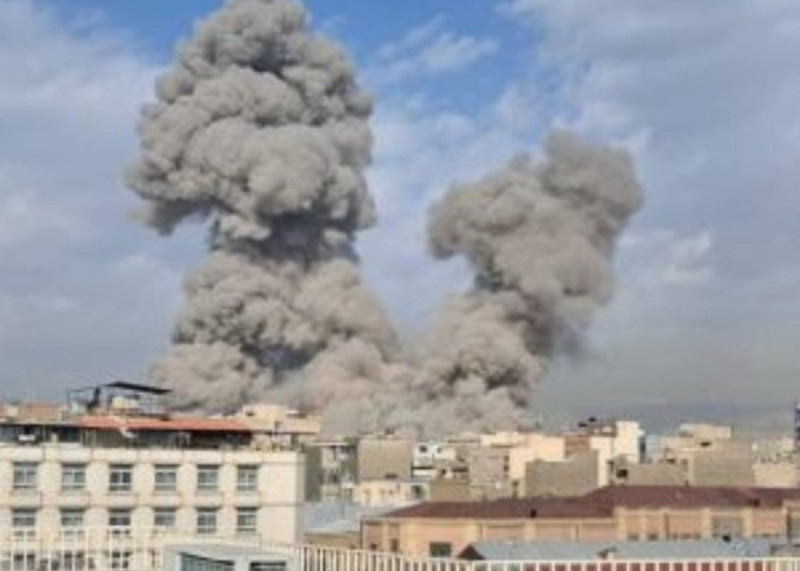
Subsequent operations, including recent strikes near Shahid Baghaei Hospital in Ahvaz, a specialised children's cancer facility, forced emergency evacuations of young patients, amplifying perceptions of indiscriminate aggression.
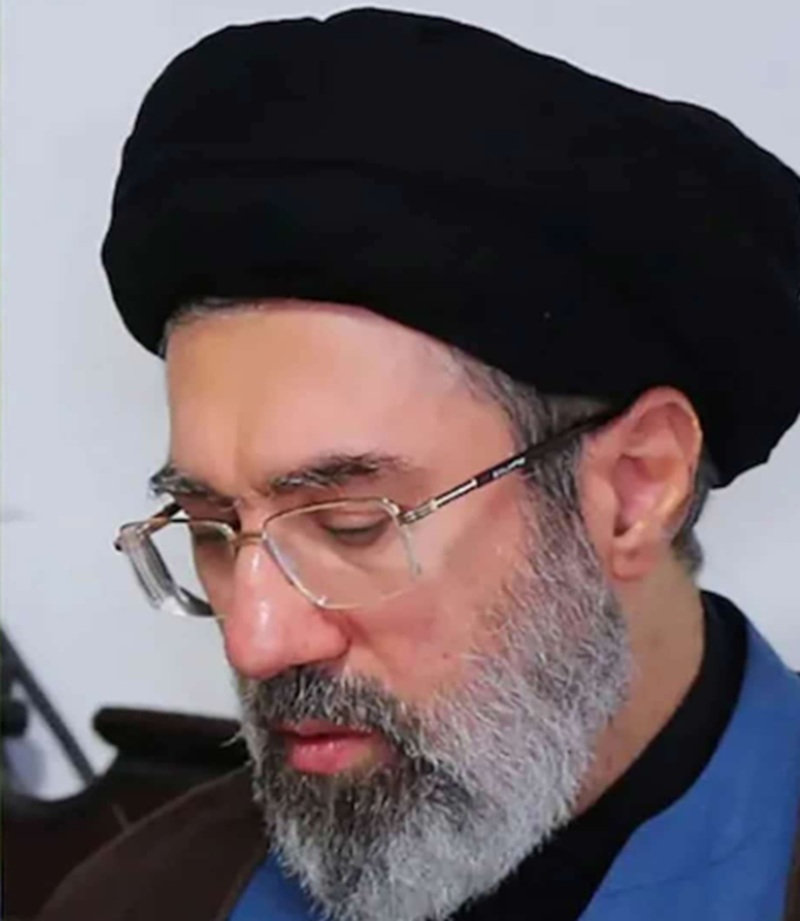
Mojtaba Khamenei, who was named the Supreme Leader in early March 2026, represents continuity in name and presumed ideology but operates in a radically different context.
Reports suggest he has remained largely in the shadows, allowing figures like Parliament Speaker Mohammad Bagher Ghalibaf to front negotiations.
This low profile may reflect caution amid power consolidation or a deliberate strategy to project regime resilience.
Yet the broader leadership encompassing IRGC commanders, hardline parliamentarians, and surviving clerics now show signs of a more confrontational mindset.
Mass public mobilisations, with reports of up to 40 million participating in mourning and calls for revenge in the immediate aftermath, provided the new leadership with a perceived mandate.
This underscores a narrative of national victimhood and unified defiance that leaders have leveraged.
Iranian state media and officials frame the strikes not merely as military setbacks but as existential assaults on Iranian sovereignty and Shia identity, reinforcing a siege mentality.
A key manifestation of this shift is the accelerated push toward nuclear options. Iran's parliament has passed measures suspending or limiting cooperation with the IAEA, with some lawmakers advocating withdrawal from the Nuclear Non-Proliferation Treaty (NPT).
Pre-strike, Iran was already enriching uranium to near-weapons levels (around 60%) and had amassed significant stockpiles.
Unverified reports claim the conflict has damaged facilities and buried much material.
Yet resolve appears undiminished. Leadership rhetoric now openly links nuclear deterrence to survival against "repeated US betrayals" during negotiations.
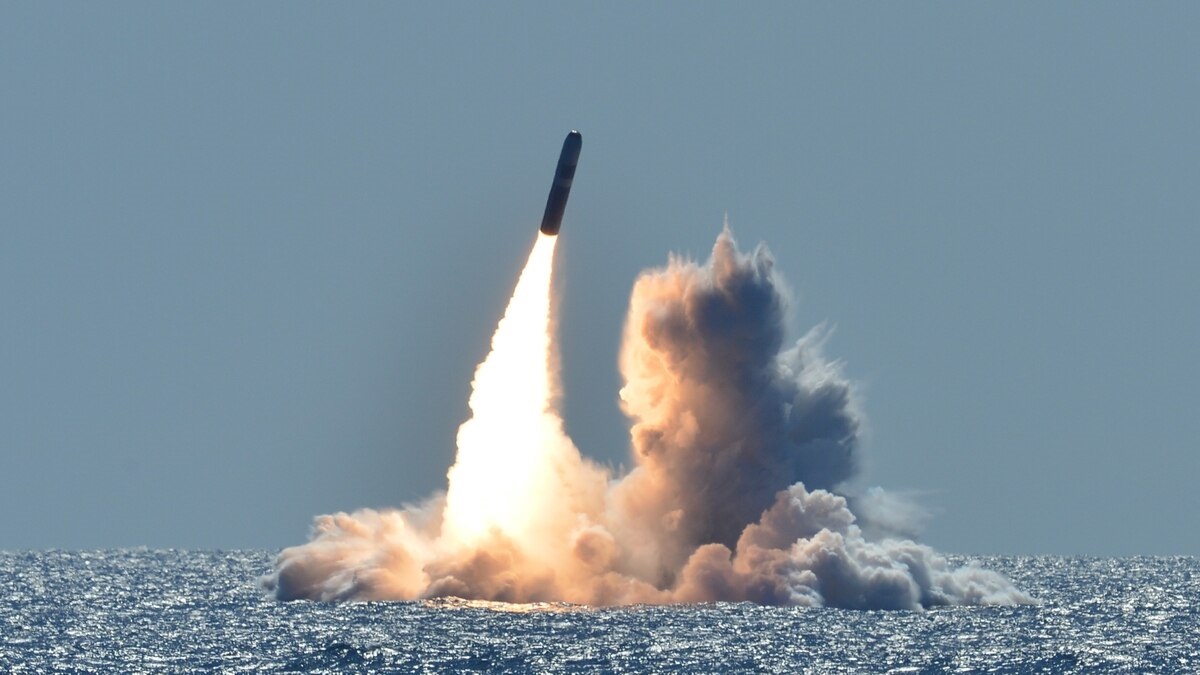
Analysts note that the old Fatwa against nuclear weapons, attributed to Khamenei Sr., may be sidelined or reinterpreted. Rumours persist of rapid assembly capabilities or even covert possession, though verifiable evidence remains elusive.
The North Korean model, where nuclear weapons act as a shield enabling regime survival and leverage, has gained traction in Tehran discourse.
A potential demonstration test is speculated upon in some circles, though crossing that threshold risks total isolation or further escalation.
The pre-strike "MoU" framework, mediated partly by Pakistan and involving Qatar, now seems fragile as Iranian leaders view past talks as duplicitous covers for strikes.
Psychologically, this evolution mirrors trauma-induced hardening.
Decades of sanctions, assassinations of scientists, and now direct leadership decapitation and civilian targeting have eroded whatever trust remained in diplomatic off-ramps.
Where once restraint served to preserve the regime, survival now appears predicated on demonstrating that further attacks carry unbearable costs.
This is not mere bluster; Iran's conventional responses, proxy activations in Yemen and elsewhere, threats to the Strait of Hormuz, and potential Red Sea disruptions signal a willingness to inflict global economic pain.
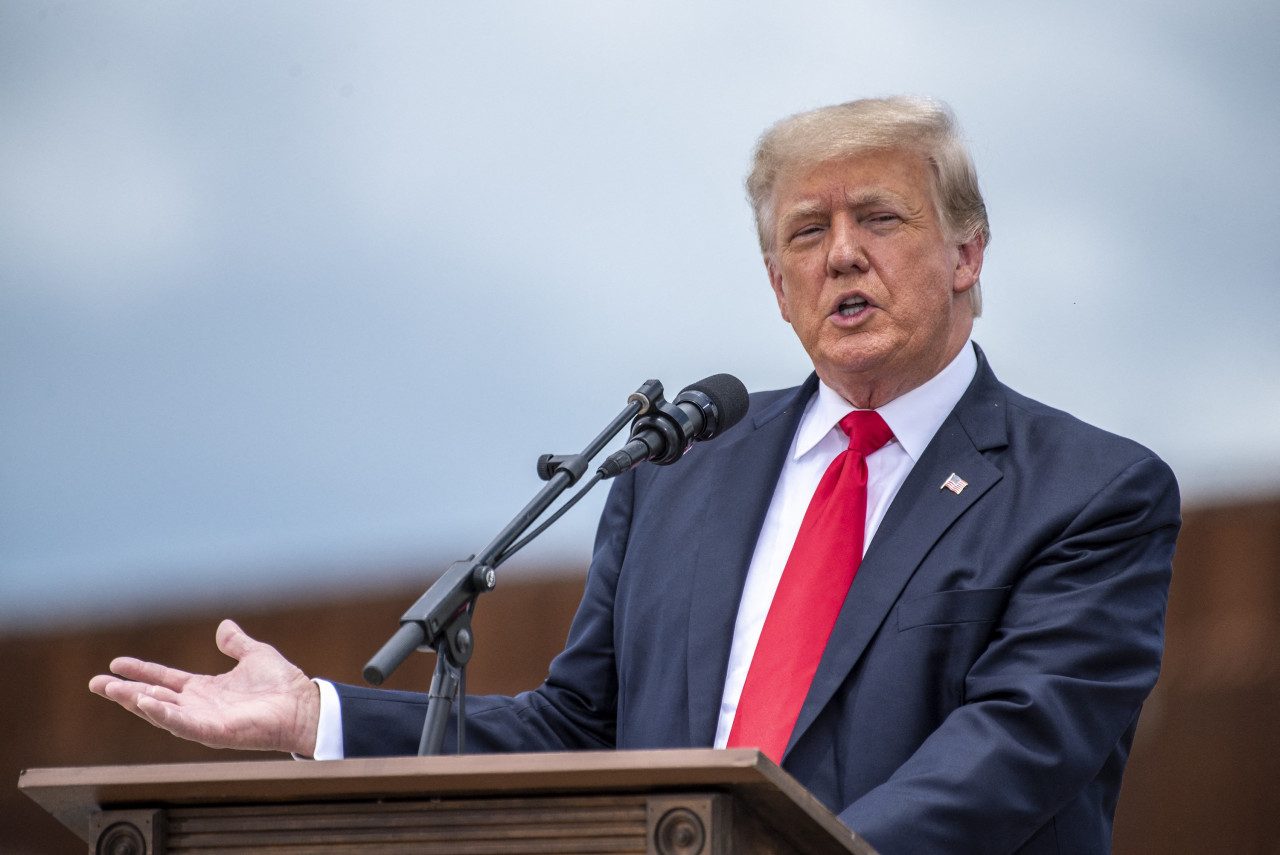
Statements by President Trump about future strikes on bridges and power infrastructure only reinforce this calculus. Iranian leaders calculate that tit-for-tat is obsolete, where retaliation must be decisive to deter perpetual bombardment. The axis of resistance, though degraded, remains a tool for calibrated chaos.
Closing or threatening chokepoints like Hormuz could paralyse oil flows, spike global prices, and pressure Gulf states and beyond, exactly the "devastating" response Tehran promises.
Critics argue this "terrible resolve" risks miscalculation.
A leadership convinced that compromise invites destruction may overplay its hand, provoking the very regime-change outcomes Washington once sought. Conversely, underestimating Iran's post-strike cohesion could prove equally dangerous.
The regime has demonstrated remarkable adaptability, rallying domestic support through shared grievance even amid war fatigue and economic strain.
Public honour for the fallen supreme leader blended grief with calls for vengeance, creating a unifying mythos for the new order.
The psychological transformation is thus twofold: from patient asymmetry to urgent deterrence, and from ideological posturing to perceived existential necessity.
Iranian leaders no longer view nuclear ambiguity as sufficient; many now see a credible deterrent, whether this is demonstrated or assembled on short notice, as the only barrier to repeated humiliations.
This shift complicates mediation efforts. Diplomats from Pakistan and others shuttle proposals, but Iranian positions have stiffened, with full sanctions relief, reconstruction aid, and guarantees against future strikes now being made baseline demands.
As of mid-2026, the conflict simmers with fragile ceasefires and brinkmanship.
Trump has reiterated red lines against Iranian nuclear weapons while threatening escalated conventional strikes. Iran, for its part, signals it will not blink.
The "sleeping giant" metaphor may overstate Iran's conventional strength, but it captures something real, a leadership that feels it has little left to lose and much to prove both to its own population and the world.
History warns that resolve born of trauma can sustain prolonged resistance, often at terrible cost to all involved.
Whether this awakens a path to negotiated stability or deeper catastrophe remains the defining question of the crisis. – July 17, 2026