MOST parents of special needs children face a nightmare when it comes to their education. For one, the cost of specialised services in Malaysia can be expensive, and for many completely unaffordable.
The other factors that come to mind are the lack of specialised services in the country and the need for parents to educate themselves first on what is best for their children.
The urgent need to start therapy means that most parents are forced to use their savings as there is no support from the government in this area.
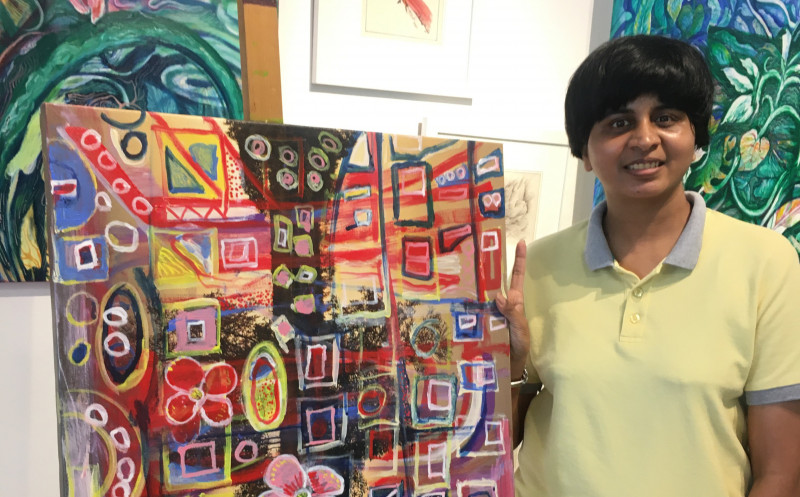
Preeya Nanthini, my daughter, was born 31 years ago with dyspraxia. I could not get her disorder diagnosed until she turned 12.
What is dyspraxia? Many look at me with puzzlement in their eyes when I mention it. It is described as a neurological disorder that impacts an individual’s ability to plan and process tasks.
That is only the tip of the iceberg. The condition remains hard to diagnose, even with a brain scan. There are no internal signs of any physical disorder, as it is a neurological condition and can be termed as an invisible disorder.
As a result, educating a child with dyspraxia is difficult as most parents are hampered by the lack of diagnoses and expertise in this largely unknown disorder.
Most of what I learnt was by trial and error. Why was it difficult? Most special needs children do not learn the way normal children learn. Their attention span is short, and they do not like to be scolded or humiliated if they fail to understand what is being taught.
Once a parent understands this, they are nearly there.

When we consulted doctors on Nanthini’s condition, they said that she would grow out of the condition and eventually speak. Luckily, I did not wait to find out.
I began realising, based on the growth milestones I saw with Nathini’s older sibling, that she was having developmental delays and that this meant that she had problems.
Sourcing for therapies and going online to find them was a difficult task indeed. The internet had limitations back in the early nineties.
In addition, once a therapist is found, the costs involved can amount to RM2,500 a month, depending on how many hours are involved. Usually, one has to fork out between RM100 to RM150 per hour of therapy.
The positive side is that most of Nanthini’s therapies worked, especially those with Teo Li Fun, an occupational therapist. It was a success beyond words and proved instrumental in helping me deal with her disability.
Teo’s no-nonsense attitude and the discipline she invoked in the children was legendary and taught me an important and unforgettable lesson – to succeed with Nanthini, one had to be focused and pursue a plan of action.
Speech therapy was an uphill task, difficult due to the severity of Nanthini’s dyspraxia.
However, as a 31-year-old today, she has learnt to communicate in many other ways. For one, Nanthini learnt to write, albeit a bit untidily, but it is readable and easily understood.
This was due to my efforts to secure a private teacher trained in this area, something which added to the cost.
I felt that the expenditure was, for all intents and purposes, her “university education” investment as she would never attend university. This early intervention was her best chance of having the greatest improvement in her ability to cope.
I have discovered that many parents live with the hope that their children will recover from the “disability” and hence precious time is wasted. This could spell disaster for the special child as it is more difficult to intervene as he or she grows older.
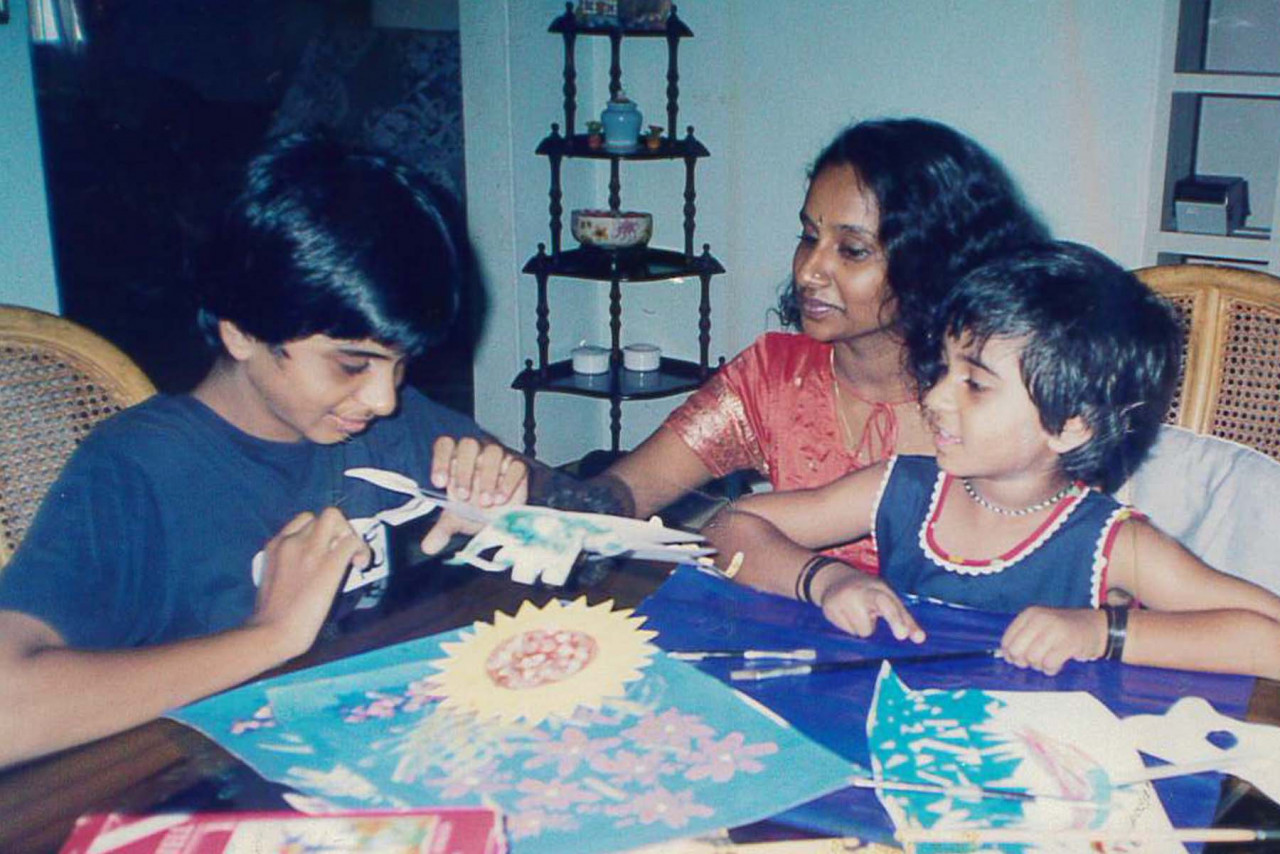
Early intervention critical
What are the telltale signs to look out for in dyspraxia? These signs may well vary for each child, but the following were my observations.
At the age of two years, Nanthini made no babbling sounds; she just kept up that lovely blank smile. There was no engagement of the eyes at all.
Finally, when she reached four, we decided to seek another medical opinion.
Singapore was the nearest option. As parents, we needed to know how to help Nanthini, but without a diagnosis it was an impossible task.
At Singapore General Hospital, comprehensive medical tests were carried out, followed by a psychological assessment. Medically, Nanthini was given a clean bill of health, but the hospital psychologist assessed her as being “globally delayed” in her development.
The hospital said early intervention was important to address the issue of her slow development, and the earlier we started her therapy the better the outcomes would be for her.
Thus began Nanthini’s journey towards her special education and, as advised, occupational therapy followed by speech therapy and then on to other forms of learning therapy. Eventually she was enrolled in a variety of private special needs schools.
Finally, I remember when she was 12, her speech therapist Mrs Ragbir, as she was fondly known, one day out of the blue said to me in a kind manner: “Dharshini, your daughter exhibits all the symptoms of dyspraxia.”
I nearly fell over in shock as finally there was a diagnosis of sorts, better than nothing all these years.
I immediately went into research mode and, yes, all the symptoms were there – poor coordination, stiffness of limbs, problematic speech, and delayed overall learning.
Finally, acceptance washed over me. Nanthini’s condition was irreversible, and the whole family had to come to terms with her disorder and needed to find a way to train her for the future, to be able to function as normally as possible as an independent adult.
At the Malaysian Association Guardians for the Intellectually Challenged (Magic), a private special needs centre, Nanthini acquired many skills towards independent living. She underwent training in doing laundry and cooking as well as baking classes at a five-star hotel that sponsored Magic students.
At Magic, there were shopping sessions, sports days and regular assessments.
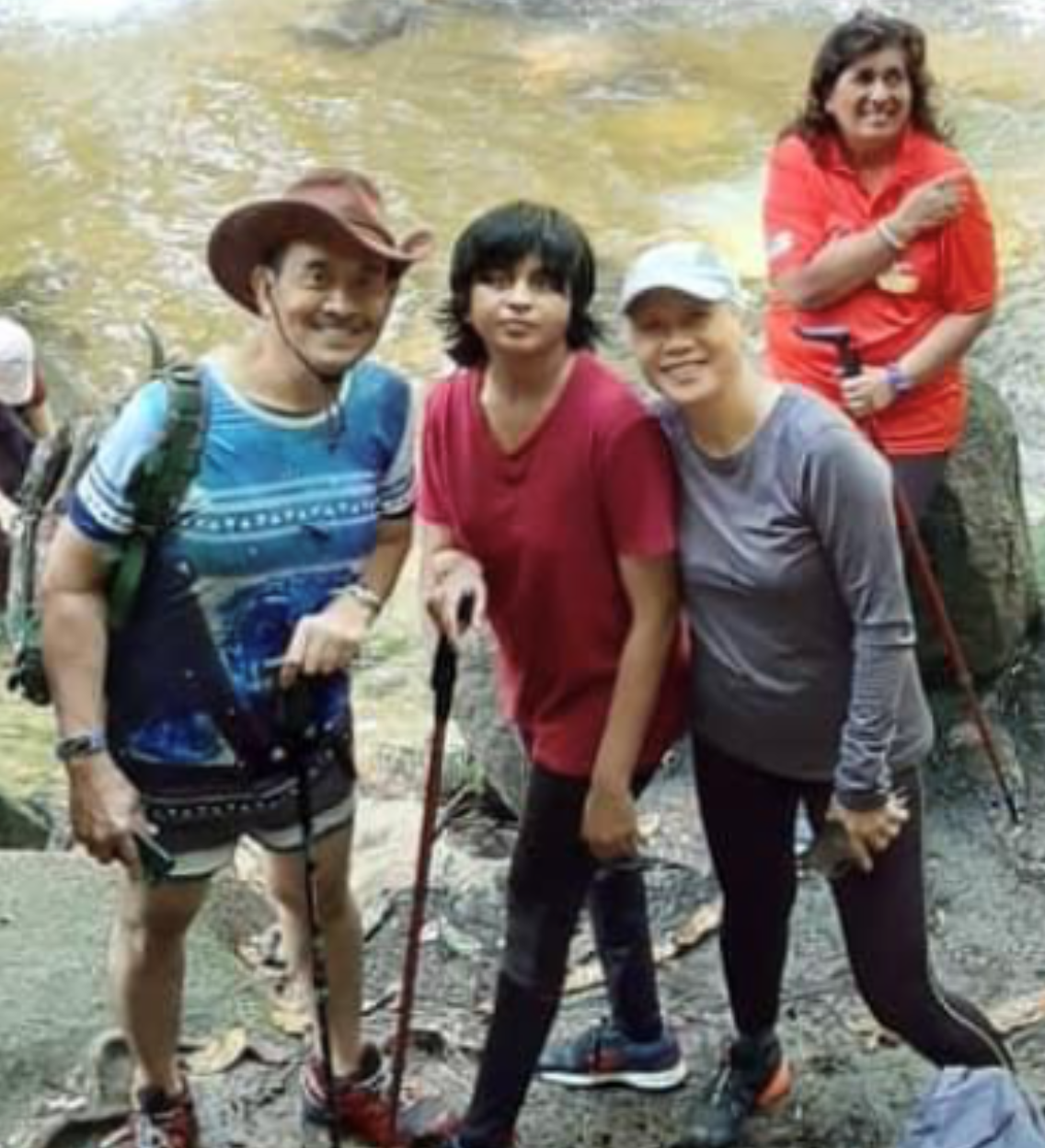
Apart from that, Nanthini accompanied me on my many journeys overseas, backpacking to Yogyakarta where we visited the famed Borobudur temple, and to India and Sri Lanka. I even joined the Rotary Club where we enjoyed trekking among waterfalls, fast-moving rivers, and rugged terrain.
Throughout all this, Nanthini displayed her resilience and her ability to overcome her disabilities as she grew older.
The final test, the hardest of all, is to live independently on her own when she is older. That is the ultimate test, and I hope by then she is ready for it. – The Vibes, November 2, 2021