THE word “nurdle” sounds pretty cute. Is it a sea creature, or perhaps a children’s toy? Not even close.
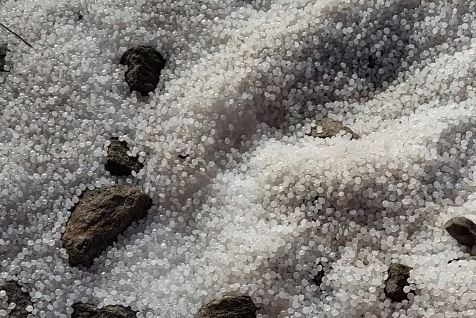
Nurdles are microplastics – pre-production pellets the size of lentils. And they are transported everywhere, used to make water bottles, feminine hygiene products, and fast-food containers and utensils.
Poorly packaged in their journey from the manufacturer, they frequently leak into oceans and other natural environments. Citizen action can help force manufacturers to stop the leaks and limit the pollution they cause.
In 2019, concerned citizens in Texas held Formosa Plastics Corporation to account for polluting local waterways. The people collected nurdles and other pollutants as evidence and filed a civil lawsuit, arguing Formosa had been in violation of its state-issued permit since January 2016. They were awarded US$50 million (RM219.8 million) in damages.
The Formosa case means other manufacturers may be held to a similar standard. Other places around the globe, especially in the United States, can use this method of citizen action as a template.
Nurdles can be collected anywhere in the world and reported to citizen-science projects such as Nurdle Patrol. This project asks people to take 10 minutes to monitor their local environment – usually waterways and rail lines – for microplastics.
Nurdle Patrol uploads their information to a public map and colour-codes it according to the number of nurdles collected. The map can be used to find a good location to start “nurdling”.
Meanwhile, the pollutants gathered for Nurdle Patrol are stored in the Environmental Microplastics Collection at Southeastern Louisiana University, which attributes collection data to each 10-minute batch of nurdles collected.
Monitoring nurdles released into the environment, and studying potentially company-specific chemical composition and nurdle shape, may allow researchers to pinpoint the party responsible for the pollution.
Suppliers such as Formosa Plastics Corporation and Dow Chemical make nurdles in pellet form so manufacturers can easily melt them and shape them into a range of plastic items. Nurdles are cheap to make. Their packaging is prone to leakage because it is generally cheaper to lose some nurdles in transit than to package them properly.
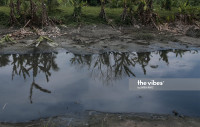
When nurdles break free of their packaging, they become environmental pollution. They are so small it takes a large spill before the public sees the damage they cause. Even when companies lose nurdles en masse, they usually face little to no responsibility for the environmental clean-up.
Laws making it easier to identify and prosecute those responsible for environmental destruction will help reduce nurdle spills. The US state of Louisiana is inching in this direction.
It paused the “Sunshine Project”, which planned to build a US$9.4 billion plastics manufacturer in an area nicknamed “Cancer Alley” – a strip of over 150 petrochemical plants that threatens the health of nearby residents.
Cleaning up environmental pollution can be frustrating: it involves picking up other people’s mess. But collective action helping to track and measure nurdle spills will help hold polluters to account and encourage preemptive measures to stop the damage being done in the first place. Better information will also drive improvements in how plastic is produced and transported. – The Vibes, June 9, 2022
Elizabeth Marchio is museum manager, and director of outreach and education, at the Vertebrate Museum of Southeastern Louisiana University. She studies public participation in science as a leisure activity, including citizen science projects such as Nurdle Patrol.
After a New Orleans nurdle spill in August 2020, her academic interests merged with her attachment to the city of New Orleans, pushing her to monitor nurdles as well as the public perceptions of plastic pollution in Louisiana
Published under Creative Commons and in partnership with 360info.org