
Last week, to start off the new year, I wrote why it’s important for us to educate the younger generation on sportsmanship.
This week, in the face of a targeted lockdown, I wanted to share my experience on overtraining. When I was younger, I was taught that: “a little of something is always good for the body, but when taken excessively, becomes poisonous”.
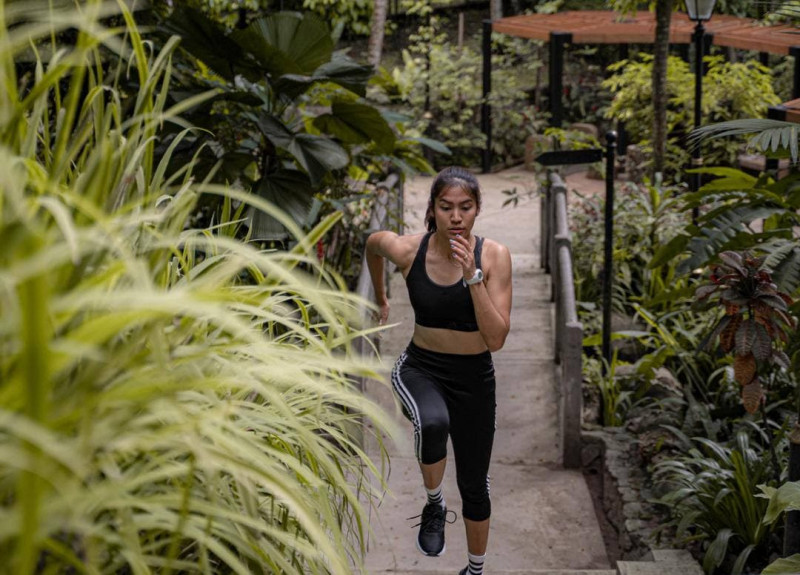
Many athletes train hard in order to succeed in their chosen sport. Believing that weakness or poor performance signals the need for more strenuous training, they log in many miles, spend hours at the gym, and work hard day after day, in pursuit of their athletic goals.
However, too much training can lead to a decline in performance, a condition known as overtraining.
Signs of overtraining:
● Chronic fatigue is the first, and most obvious, symptom
● Decrease in performance
● Muscle ache and soreness
● Inability to sleep
● Drop in immunity
● Menstrual irregularity
● Loss of motivation and focus
● Loss of appetite
● Mood swings and irritability
● Diarrhoea and headaches
● Fluctuation in weight
How overtraining takes place:
● Inadequate recovery between training sessions
● Too much high-intensity training, especially, over long periods
● High volume of endurance training
● Sudden drastic increase in distance, length, or intensity of exercise routines
● No off-season or breaks after each season
● Excessive competition at high levels (i.e. trying to win every race can rapidly wear out one’s body and cause injuries, such as stress fractures)
● Insufficient sleep, irregular sleep patterns and insomnia
● High amounts of stress and anxiety
Excessive training can be deadly for your fitness goals. As a result, develop a balanced training programme consisting of different exercises that match your fitness level and goals.
Recovery from an overtraining session can be difficult as it requires weeks or months of time off. It is better to pay attention to your body and get the required amount of rest before responding.
This can be challenging for someone whose life revolves around training and competing; the best thing you can do is give your body a much-needed break.
Take time off from the gym, have a healthy meal, hydrate and get some quality sleep.
With that, love, Tana. ─ The Vibes, 13 January, 2021