


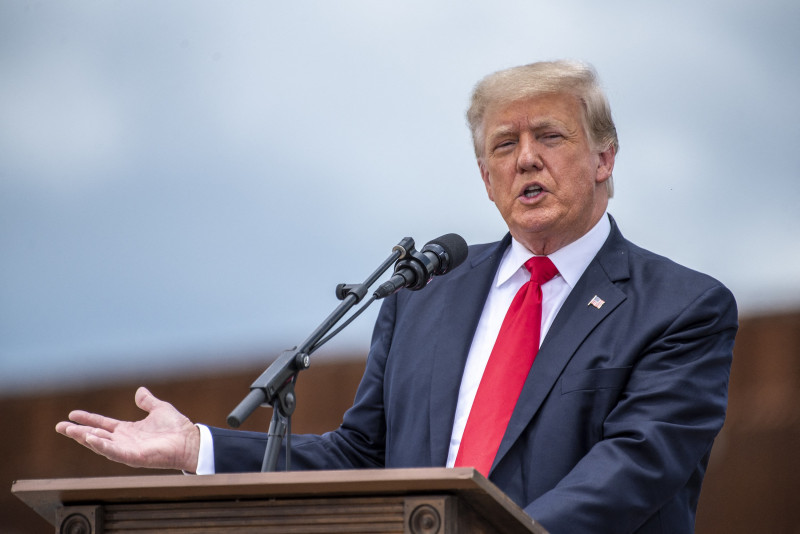
US President Donald Trump on Tuesday said planned tariffs on pharmaceuticals imported into the U.S. could eventually reach up to 250%, the highest rate he has threatened so far.
He told CNBC’s “Squawk Box” that he will initially impose a “small tariff” on pharmaceuticals, but then in a year to a year and a half “maximum,” he will raise that rate to 150% and then 250%.
The president has repeatedly threatened and then changed course on tariff proposals, so there’s no guarantee he will eventually set pharmaceutical tariffs at the 250% rate. In early July, Trump had threatened 200% tariffs on pharmaceuticals.
The Trump administration in April initiated a so-called Section 232 investigation on pharmaceutical products. That’s a legal authority that allows the secretary of Commerce to investigate the impact of imports on national security.
The tariffs are the president’s bid to incentivize drug companies to move manufacturing operations to the U.S. at a time when domestic drug production has shrunk dramatically over the last few decades. Over the last six months, companies like Eli Lilly and Johnson & Johnson have announced fresh U.S. investments to build goodwill with the president.
“We want pharmaceuticals made in our country,” Trump told CNBC.
The planned levies would deal a blow to the pharmaceutical industry, which has warned that the tariffs could drive up costs, deter investments in the U.S. and disrupt the drug supply chain, putting patients at risk.
Drugmakers are already navigating the fallout from Trump’s drug pricing policies, which they argue threaten both their bottom lines and their capacity to invest in research and development.
That includes Trump’s executive order in May that revives a controversial plan, the “most favored nation” policy, that aims to slash drug costs by tying the prices of some medicines in the U.S. to the significantly lower ones abroad.
On Tuesday, Trump told CNBC that he “invoked” the “most favoured nations” policy and that it will have a “tremendous impact on the price of medicine.” But Trump has not officially implemented any changes from the executive order.
Trump last week sent letters to 17 drugmakers calling on them to commit to steps to lower U.S. drug prices by Sept. 29. That includes agreeing to provide their full portfolio of existing medicines at the lowest price offered in other developed nations to every single Medicaid patient, among other steps.
Some pharmaceutical companies have said they are reviewing the letters. - August 6, 2025










