


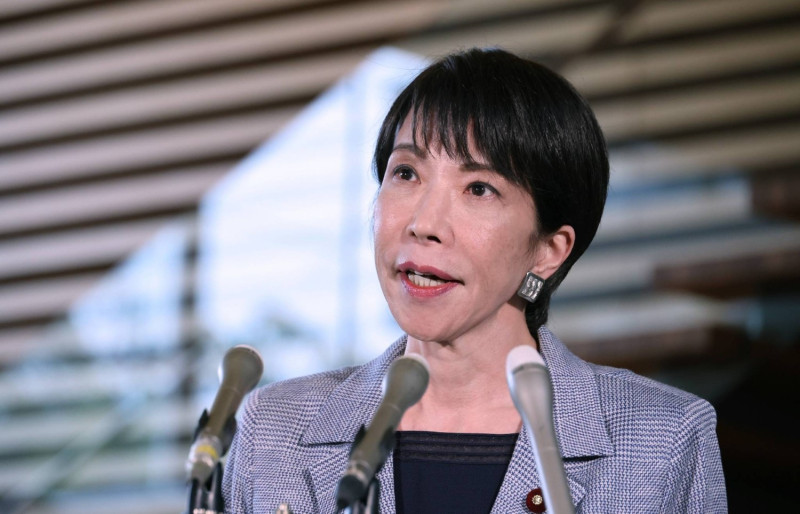
THE cabinet of Japanese Prime Minister Sanae Takaichi on Friday approved a record 122.3 trillion yen budget for the fiscal year beginning in April, in a bid to balance a proactive fiscal stance with investor anxieties over the nation’s mounting public debt. The total, equivalent to around $785 billion, surpasses this year’s initial budget of 115.2 trillion yen.
Despite the headline figure, the administration has limited the rise in new government bond issuance to just 1 trillion yen, from 28.6 trillion yen this year to 29.6 trillion yen, resulting in a projected debt dependence ratio of 24.2 per cent — the lowest since 1998.
The Takaichi government has stepped up efforts to reassure markets that it will not pursue irresponsible debt expansion or tax cuts, even as yields on Japanese government bonds have climbed and the yen remains weak.
Higher tax revenues are expected to help fund expanded spending, with receipts forecast to rise by 7.6 per cent to a record 83.7 trillion yen, although these gains will not fully offset sharply higher debt‑servicing costs and increases in social welfare and defence outlays.
Debt‑servicing costs for interest payments and redemption are set to jump 10.8 per cent to 31.3 trillion yen. The budget sets the assumed interest rate at 3.0 per cent — the highest in 29 years — reflecting the Bank of Japan’s exit from its ultra‑loose monetary policy.
Japan already carries the highest debt burden among developed economies, with public debt more than twice the size of its gross domestic product, making the nation particularly vulnerable to rising borrowing costs.
In response, Takaichi has signalled her intention to abandon the use of the annual primary budget balance as the government’s fiscal consolidation target, instead proposing a multi‑year framework that would permit greater flexibility in spending. - December 26, 2025










