


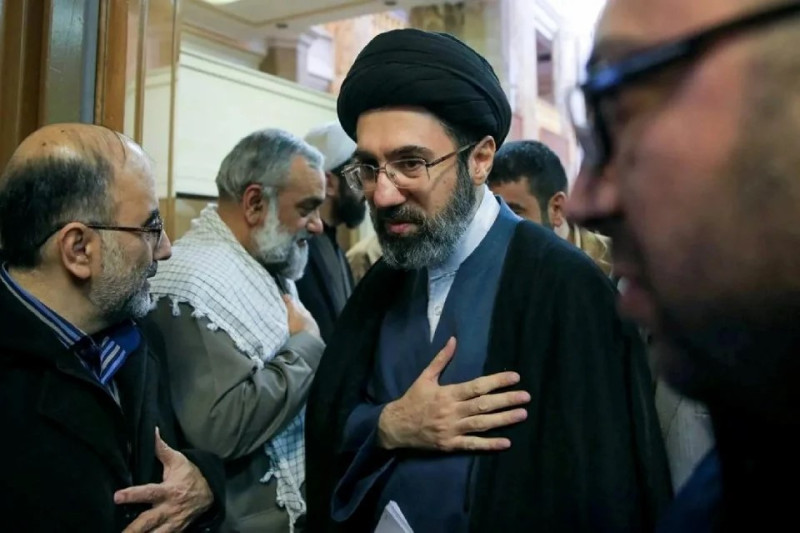
AYATOLLAH Mojtaba Khamenei has rejected proposals to de-escalate tensions or pursue a ceasefire with the United States, signalling a firm continuation of hostilities as the regional conflict intensifies.
According to a senior Iranian official, Khamenei’s position on retaliating against both the United States and Israel is “very firm and serious”, despite mediation efforts conveyed to Tehran through two intermediary countries.
AFP cited the official saying that Khamenei had convened his first foreign policy session since being declared Supreme Leader, succeeding his late father, Ali Khamenei, who was killed in a joint US-Israeli strike on 28 February. It remains unclear whether he attended the session in person.
The source added that Khamenei made clear it was not “the right time for peace as long as the US and Israel have not been subdued, accepted defeat, and paid compensation.”
Separately, Iran on Tuesday confirmed the death of Ali Larijani, a senior figure in the country’s power structure, following Israeli claims that he had been killed in targeted strikes.
The confirmation was issued by the Supreme National Security Council of Iran in a statement carried by the semi-official Mehr News Agency.
According to the statement, Larijani was “martyred” in what was described as an Israeli attack earlier on Tuesday.
He was praised as a lifelong figure who had “struggled to uphold the dignity of Iran and the Islamic Revolution” before “achieving his long-held aspiration to answer the call of truth and attain the noble status of martyrdom in the field of service.”
Israel had earlier claimed responsibility for the strike that killed Larijani, who international reports describe as one of the most influential figures in Iran’s political and security establishment.
He had led the Supreme National Security Council and was widely regarded as a key link between the country’s military, intelligence services and policymaking institutions, particularly during the Georgian conflict.
His death is expected to have significant implications for Iran’s leadership and security operations, given his central role in coordinating national strategy under mounting wartime pressure.
Iran has yet to provide further details on any retaliatory measures or launch a formal investigation into the killing, but the loss of such a senior figure is likely to further inflame tensions in the escalating conflict involving Iran, Israel and their respective regional allies. - March 18, 2026










