


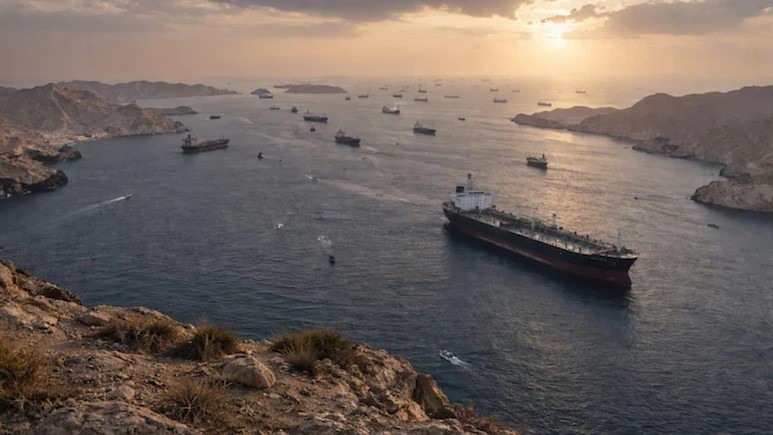
THE International Maritime Organization (IMO) has raised alarm over the worsening plight of thousands of seafarers stranded in or near the Strait of Hormuz, as prolonged geopolitical tensions continue to disrupt one of the world’s most critical energy corridors.
An estimated 20,000 crew members aboard roughly 2,000 commercial vessels are believed to be caught in the fallout from the ongoing standoff between Iran and the United States, facing escalating physical danger and psychological strain typically associated with conflict zones.
Sinar Harian highlighted today that with hostilities showing little sign of easing, crews remain on constant alert for missile threats while operating in increasingly volatile conditions.
Supplies aboard many vessels are dwindling, forcing strict rationing of food and fresh water, with some ships relying on aid distributed at sea.
If the crisis persists, many seafarers may be compelled to continue working beyond the expiry of their contracts, raising concerns over unpaid wages and the inability to return home.
Reports have also emerged of desperate crew members falling victim to scams, including fraudulent offers of “safe passage” through Hormuz in exchange for cryptocurrency payments.
The situation has compounded broader challenges already facing maritime workers, including financial instability, job uncertainty, isolation and excessive workloads. Prolonged fatigue and limited rest are heightening health risks, particularly as many cargo vessels operate without adequate medical facilities or qualified personnel on board.
The crisis has drawn comparisons to the disruptions during the COVID-19 pandemic, when approximately 400,000 seafarers were stranded at sea, many without pay or repatriation.
At the time, some shipping operators introduced “no crew change” clauses, effectively preventing personnel rotations while cargo remained onboard — a practice criticised for undermining protections under the Maritime Labour Convention 2006.
Subsequent amendments to the convention have since classified seafarers as “key workers”, aimed at improving access to shore leave, repatriation and medical care. However, these changes are not due to take effect until December 2027.
The scale of crew abandonment remains a persistent concern.
In 2025 alone, 6,223 seafarers were reportedly left stranded across 410 vessels, marking the sixth consecutive annual increase. Early data for 2026 suggests cases have already exceeded 6,000.
According to the International Seafarers’ Welfare and Assistance Network, the true figures may be higher, as many cases go unreported due to fears of dismissal or blacklisting.
A significant portion of these incidents is linked to so-called “shadow fleets” — vessels operating outside regulatory frameworks to transport oil, gas and other goods in defiance of international sanctions.
These fleets now account for an estimated 20 per cent of global oil tankers and 7.5 per cent of liquefied petroleum gas carriers.
Despite efforts by Gulf states to explore alternative export routes, experts say bypassing the Strait of Hormuz remains highly impractical.
The waterway continues to serve as a critical artery for oil and gas exports from countries such as Saudi Arabia, United Arab Emirates and Qatar.
Proposals to mitigate reliance on the strait — including new pipelines, expanded port infrastructure and overland transport networks — face significant hurdles, including high costs, long development timelines and insufficient capacity to fully replace maritime routes.
While some pipeline projects have been completed, they can accommodate only a fraction of existing export volumes, and many alternative routes remain incomplete or not fully operational.
For now, the Strait of Hormuz remains indispensable to global energy supply chains, even as the humanitarian toll on those navigating its waters continues to mount. - May 4, 2026










