


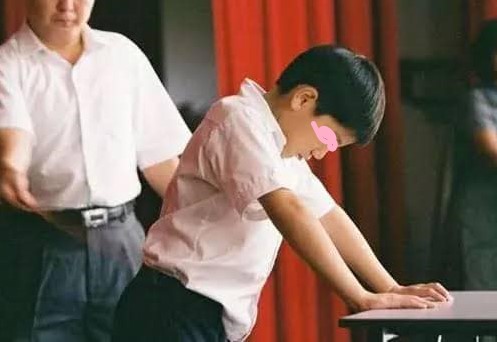
SINGAPORE will permit caning as a last-resort disciplinary measure for male students involved in bullying, including cyberbullying, under newly introduced school guidelines aimed at addressing serious misconduct.
Education Minister Desmond Lee told parliament that the measure would only be applied in severe cases where other interventions have failed.
“if all the other measures are inadequate, given the gravity of the misconduct,” he said, stressing that the use of caning would remain tightly controlled.
Under the revised rules, male students in upper primary levels and above may receive up to three strokes of the cane.
The punishment must follow strict safeguards, including approval from the school principal and administration by authorised staff.
“They follow strict protocols to ensure safety for the student. For instance, caning must be approved by the principal and administered only by authorised teachers,” he said.
“Schools will consider factors such as the maturity of the student and if caning will help the student learn from his mistake and understand the gravity of what he has done.”
The policy follows a year-long review focused on tackling bullying, conducted after several high-profile incidents in schools heightened public concern.
Authorities emphasised that caning will only apply to male students, in line with Singapore’s legal framework. Female students found guilty of similar misconduct will instead face penalties such as detention, suspension or other school-based disciplinary actions.
After any caning is carried out, schools are required to monitor the student’s wellbeing and provide follow-up support, including counselling where necessary.
International organisations, including UNICEF, have consistently opposed corporal punishment, arguing that it can harm children’s physical and mental health while contributing to longer-term behavioural issues.
The practice of caning has deep historical roots in Singapore, tracing back to its introduction during British colonial rule in the 19th century, and remains part of the country’s judicial system for certain offences involving male offenders.
According to the World Health Organization, corporal punishment remains widely used worldwide, with significant implications for children’s development. The agency estimates that around 1.2 billion children aged up to 18 experience such punishment in the home each year.
The move is expected to reignite debate over the balance between discipline and child welfare as Singapore tightens its response to bullying in schools. - May 6, 2026










