


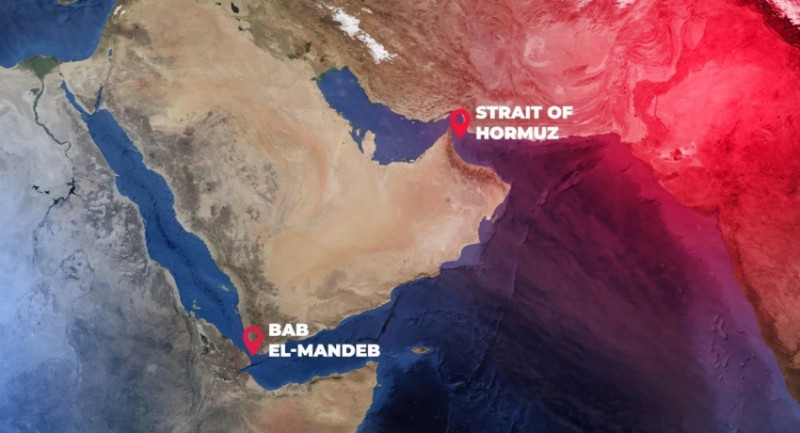
IRAN has permitted dozens of Chinese-linked vessels to transit the Strait of Hormuz after imposing severe restrictions on maritime traffic since the outbreak of conflict involving the United States and Israel, signalling a selective easing of control over one of the world’s most strategically vital shipping lanes.
The decision, announced by Iran’s Revolutionary Guards, comes as tensions continue to disrupt global energy markets and international trade routes following the escalation of hostilities on February 28.
AFP cited the Revolutionary Guards saying naval authorities had approved the passage of several Chinese ships under a special arrangement tied to Tehran’s management of the strait.
“It was ultimately concluded that a number of Chinese ships requested by this country would pass through this area after an agreement on Iran’s strait management protocols,” the Guards, the ideological arm of Iran’s military, said in a statement.
“This passage began last night,” they added.
Iranian state television later reported that “more than 30 ships” had been authorised to sail through the waterway, although it remained unclear whether all of the vessels were Chinese-operated or Chinese-owned.
The Strait of Hormuz, which links the Persian Gulf to global shipping routes, is regarded as one of the world’s most critical maritime chokepoints. In peacetime, approximately one-fifth of global oil and liquefied natural gas exports pass through the narrow channel, alongside a substantial volume of international commodity trade.
Iran’s tightening grip over the strategic passage since the beginning of the conflict has unsettled international markets and heightened fears of prolonged disruptions to global energy supplies. The move has also strengthened Tehran’s geopolitical leverage at a time when the United States has intensified pressure through its own naval blockade targeting Iranian ports.
The announcement coincided with United States President Donald Trump’s visit to China, where he held talks with Chinese President Xi Jinping on Thursday. Discussions between the two leaders reportedly included developments surrounding the Iran conflict and regional security concerns. - May 15, 2026










