


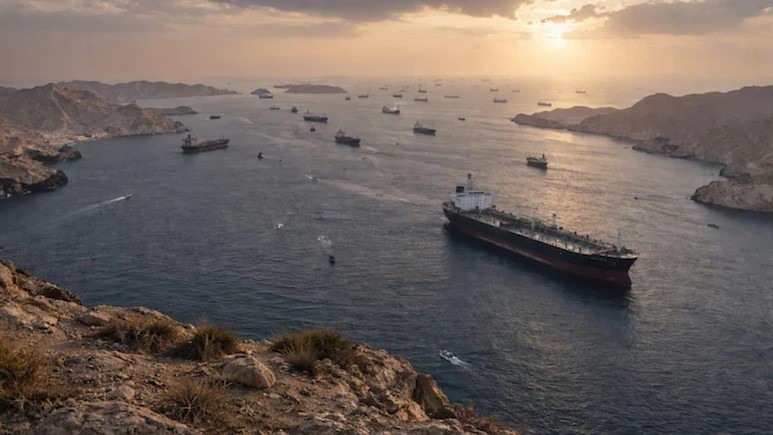
THE head of the International Energy Agency has warned that the world could face a severe oil supply crunch within months unless there is meaningful progress towards ending the conflict in the Middle East, as ongoing disruptions to energy exports through the Strait of Hormuz continue to tighten global markets.
Speaking at London-based think tank Chatham House on 21 May, IEA executive director Fatih Birol said global oil supplies were entering a dangerous phase despite temporary market resilience earlier in the conflict.
“We may be entering the red zone (on supplies) in July or August if we don’t see that there are some improvements in the (war) situation,” AFP cited Birol warning.
The comments come as Iran continues to effectively block tanker traffic through the Strait of Hormuz following retaliatory measures against United States and Israeli military strikes launched in late February.
The disruption has sharply curtailed the movement of oil and liquefied natural gas through one of the world’s most strategically important shipping chokepoints, contributing to surging energy prices and intensifying concerns over global supply security.
According to Birol, the market had initially been cushioned by a pre-war oversupply of oil, which helped absorb some of the immediate shocks caused by the conflict.
However, he cautioned that global commercial stockpiles were now being depleted at an alarming pace.
“Stocks are eroding,” he said, warning that restoring both oil production and refining capacity to pre-war levels would take “a lot of time”.
Birol had previously warned that commercial oil inventories were falling “very fast” despite coordinated releases from strategic petroleum reserves by governments around the world.
The IEA said its 32 member states had jointly authorised the release of 426 million barrels from emergency reserves since the crisis escalated, with approximately 164 million barrels already drawn down this month alone.
The latest warning underscores mounting international concern that prolonged instability in the Middle East could trigger a deeper global economic slowdown, particularly if fuel shortages intensify during the high-demand northern hemisphere summer season.
Although a ceasefire announced on 8 April temporarily halted large-scale fighting, diplomatic negotiations aimed at securing a permanent peace agreement have so far failed to produce a breakthrough, leaving energy markets increasingly vulnerable to further disruption. - May 22, 2026










