


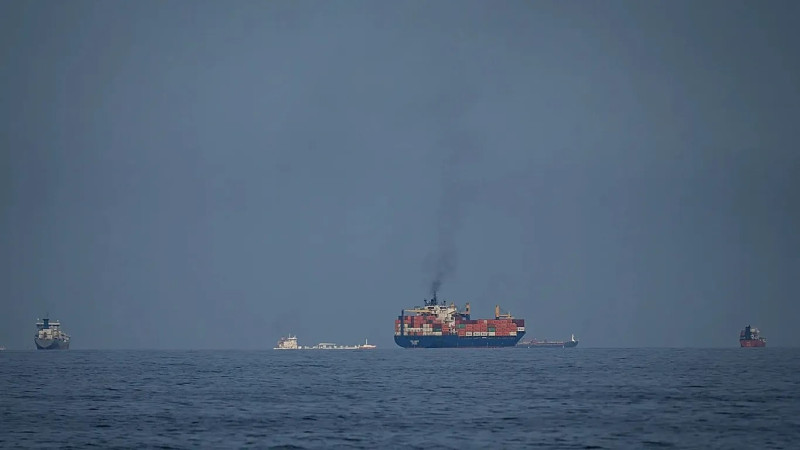
IRAN is preparing a list of conditions for reopening the Strait of Hormuz after mediators asked Tehran to set out its demands, according to Mohsen Rezaei, secretary of Iran’s Supreme National Security Council.
Rezaei said ending the regional war would be among Iran’s conditions, while Tehran had also agreed with Oman on a shipping corridor through the strategic waterway.
Under the proposed arrangement, parts of the corridor would pass through Omani waters and others through Iranian waters, he said in an interview with Al Manar TV.
Rezaei said ships would be able to use a designated central channel if the United States agreed to Iran’s conditions.
The development comes as Tehran and Muscat continue negotiations over the details of an agreement governing shipping through the Strait of Hormuz.
A senior source said on Aug 26 that Iran and Oman were still working on the terms of the proposed arrangement, after Iran’s Islamic Revolutionary Guard Corps said the two countries had reached an understanding on sharing control of the waterway and its revenues.
Reuters cited an IRGC spokesperson saying Iran would not permit the strait to reopen unless Washington lifted what Tehran describes as a blockade of Iranian ports, paid compensation and removed sanctions.
The Strait of Hormuz is one of the world's most strategically important energy corridors. Before the war began in February, the waterway carried roughly one-fifth of global oil and liquefied natural gas shipments.
Shipping through the strait has largely halted since the conflict began, raising concerns over energy supplies and contributing to volatility in global oil markets.
Ceasefire agreements announced by Washington and Tehran in April and June were intended to restore maritime traffic, but both failed to hold.
The latest negotiations with Oman could therefore determine whether the crucial shipping route can gradually reopen, although Iran's conditions suggest that any restoration of normal traffic remains closely tied to broader efforts to end the regional conflict and resolve its dispute with Washington. - August 28, 2026










