


DIPLOMATIC efforts to end the nearly seven-month Iran war continued at the United Nations on Tuesday as the conflict widened across the region, with Tehran warning of further attacks, the Strait of Hormuz remaining a key pressure point and Iran-aligned Houthi forces advancing in Yemen.
US President Donald Trump warned in a speech to the UN General Assembly that he could “annihilate” Iran if no deal was reached, although he also indicated that an agreement could be possible.
“I have a big decision to make,” Reuters reported him saying.
“Will a deal be made with Iran that lets them rebuild and create a far greater country than it ever was before?... Or do I annihilate the Islamic Republic and do it quickly, never giving them a chance to kill and destroy people and countries again?”
Iran’s Armed Forces dismissed Trump’s remarks as “propaganda”, saying they remained ready to deliver “more severe, crushing, and unpredictable blows on the aggressors”.
At the same time, US and Iranian representatives continued talks through mediators on the sidelines of the UN General Assembly.
US envoy Steve Witkoff said the two sides had held lengthy discussions through mediators who shuttled between them throughout the day, adding that the mediators would continue their work.
A senior Iranian official told Reuters that Tehran could reopen the Strait of Hormuz to Gulf shipping within seven days if Washington eased military pressure and lifted its blockade on Iranian ports.
The official said Iran had conveyed the proposal to the United States through mediators.
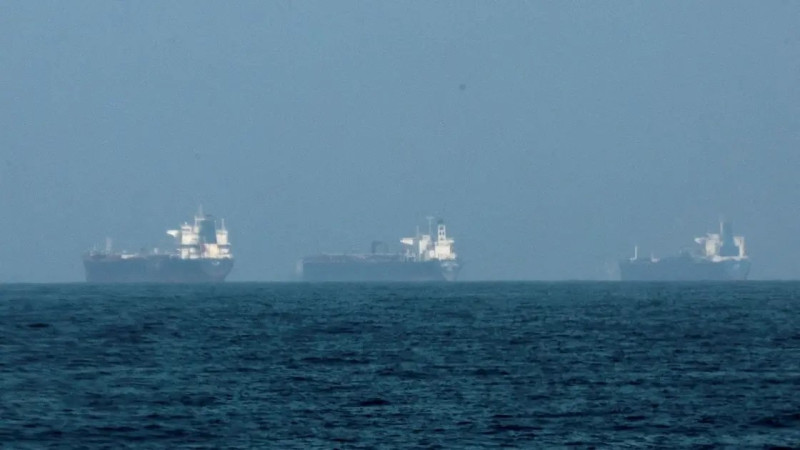
The strait, through which a significant share of global oil and gas shipments normally passes, has remained a major source of concern for Gulf states and energy markets since the conflict began.
Saudi Arabia has meanwhile restarted operations at its East-West oil pipeline, which provides an alternative export route bypassing the Strait of Hormuz, although initial shipments from the Red Sea port of Yanbu were expected to be at reduced volumes.
The regional risks are also growing in Yemen, where Iran-aligned Houthi fighters have advanced against forces of the Saudi-backed government and threatened Saudi oil exports through the Red Sea.
The developments have increased pressure on Gulf states seeking to restore shipping through the Strait of Hormuz while avoiding further escalation with Iran.
Qatar has proposed a regional security framework involving Iran and the Arab Gulf states, while Iranian Foreign Minister Abbas Araqchi met Qatar’s Prime Minister Sheikh Mohammed bin Abdulrahman Al Thani as diplomatic efforts continued. - September 23, 2026










