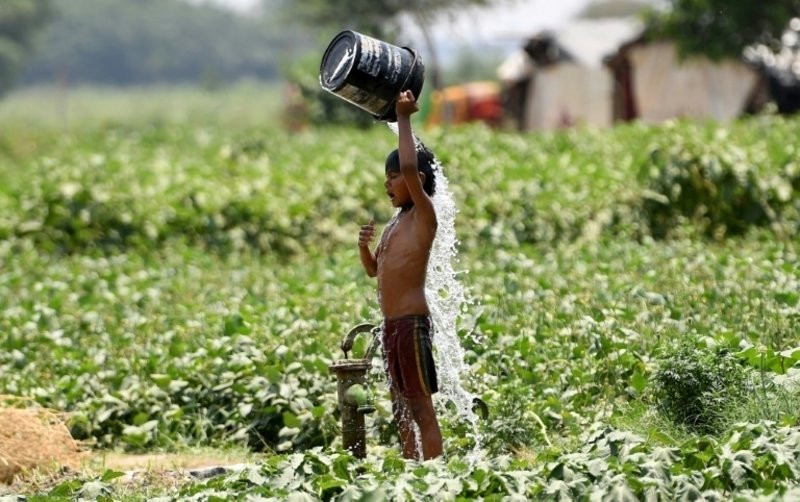
NEW YORK – Hot weather has become a health risk for many nations, but new data shows that almost every child on earth will be affected by heat waves by 2050, the UN Children’s Fund (Unicef) warned yesterday.
According to the UN agency, at least half a billion youngsters are already exposed to a high number of heat waves due to climate change, reported Xinhua.
By the middle of this century, it estimates that more than two billion children will be exposed to “more frequent, severe, and longer lasting” heat waves.
“The climate crisis is a child rights crisis – and it is already taking a devastating toll on children’s lives and futures,” warned Unicef executive director Catherine Russell.
This year’s wildfires and heat waves that have swept through India, Europe, and North America were “yet another sobering example of the impact of climate change on children”, she added.
New data published in the agency’s report, The Coldest Year of the Rest of Their Lives, underscores that young children face greater risks than adults when faced with extreme heat events.
This is because they are less able to regulate their body temperature compared to adults. The more heat waves children are exposed to, the greater the chance of health problems including chronic respiratory conditions, asthma, and cardiovascular diseases.
“The world urgently needs to invest in building their resilience – and in adapting all the systems children rely on to meet the challenges of a rapidly changing climate,” Unicef maintained.
This is regardless of whether average global temperatures rise by 1.7°C above pre-industrial levels if greenhouse gas emissions are low, or whether they rise by 2.4°C, if emissions are high.
Children should be protected from the escalating impacts of heat waves, Unicef said, in a call for “urgent and dramatic emissions mitigation measures to contain global heating – and protect lives”.
Children in northern regions will face the most dramatic increases in high heat wave severity, while by 2050, nearly half of all children in Africa and Asia will face sustained exposure to extreme high temperatures over 35°C, Unicef’s data showed.
“This will have a devastating impact on children,” said Vanessa Nakate, climate activist and Unicef goodwill ambassador. – Bernama, October 26, 2022