World

Health centre water crisis increasing virus risk: WHO

Lack of access to clean water puts 1.8 billion people at increased risk of contracting coronavirus, says orgainsation

Updated 5 years ago · Published on

Health centre water crisis increasing virus risk: WHO
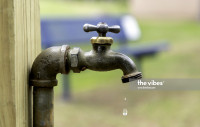
The World Health Organization says, working in a healthcare facility without water, sanitation and hygiene is akin to sending nurses and doctors to work without personal protective equipment,– Pixabay pic, December 14, 2020

GENEVA – One in four health centres worldwide lacks access to water, putting around 1.8 billion people at increased risk of contracting the coronavirus, the World Health Organization (WHO) said today.

The lack of this basic amenity endangers patients and staff alike at such centres, the WHO said in a joint report with the UN children’s agency Unicef. The study was based on data from 165 countries.

“Working in a healthcare facility without water, sanitation and hygiene is akin to sending nurses and doctors to work without personal protective equipment,” said WHO chief Tedros Adhanom Ghebreyesus.

These elements “are fundamental to stopping Covid-19. But there are still major gaps to overcome, particularly in least developed countries.” 

According to WHO figures, while health professionals make up less than 3% of the population, they account for 14% of Covid-19 cases recorded around the world.

“Sending healthcare workers and people in need of treatment to facilities without clean water, safe toilets or even soap puts their lives at risk,” said Unicef chief Henrietta Fore.

The report also found that one in three health facilities around the world could not guarantee hand hygiene, while one in 10 did not have access to sanitation services.

The figures are even worse for the world’s 47 least-developed countries (LDCs), where half of healthcare centres have no access to drinking water, a quarter have no access to water for hygiene purposes, and three in five lack basic sanitation services.

The WHO and Unicef calculated that it would cost around US$1 per inhabitant to provide basic water services in these countries' health centres – and 20 cents each to maintain such facilities each year. – AFP, December 14, 2020

Related News

Events / 1w

PBAPP receives strong support for purchase of treated water

Malaysia / 1w

Interests of Penang and Perak protected under water agreement, says Exco member

Community / 1mth

Burst pipe affects 130,790 consumers in Penang

Events / 1mth

Eco-friendly minds and leaders to meet over water conservation and preservation

Community / 1mth

Stronger public-private collaboration essential to ensure water resources remain sustainable

Malaysia / 2mth

Northern Malaysia must prepare for the consequences of lower rainfall

Spotlight

Malaysia

Anwar receives special recognition as 10,000 Muslims gather in Putrajaya

Malaysia

Video of elderly man being assaulted goes viral on social media

Malaysia

The wide reach of corruption and organised crime in the country

Malaysia

Malaysia pushes to give smaller economies stronger voice in Asia-Pacific trade – Anwar

Malaysia

No tsunami threat to Malaysia after 5.4-magnitude earthquake hits Banda Sea

Malaysia

Who is calling the shots in Negeri Sembilan as Ismail’s position comes under scrutiny?

Opinion

Ayob Khan: When the uniform comes off, the principles remain

Malaysia

MySiren to send emergency alerts to compatible phones nationwide from Nov 29 test

You may be interested

World

24 bodies found in Indonesian candy factory fire, 30 still missing

World

UN climate talks collapse as EU rejects ‘weak’ COP31 deal

World

Trump backs Jensen Huang's return as Nvidia CEO amid national security scrutiny