Business

Climate change to force transformation at banks: Moody’s

It adds to industry’s other challenges, such as those posed by digital innovation

Updated 5 years ago · Published on

Climate change to force transformation at banks: Moody’s
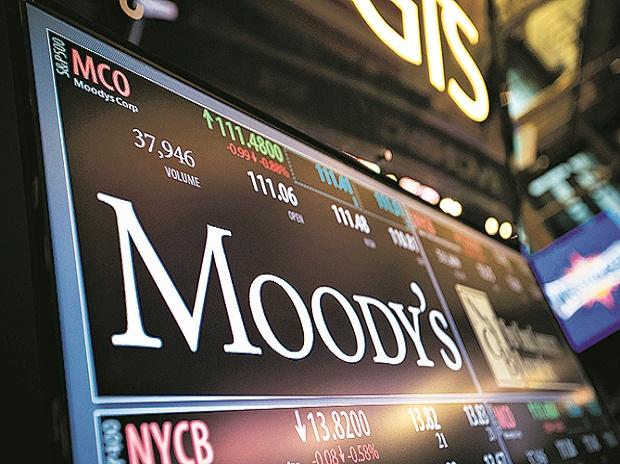
A rapid expansion of banks’ low-carbon asset portfolios may increase their exposure to assets whose economic viability is unproven, says a Moody’s report. – Twitter pic, April 21, 2021

KUALA LUMPUR – Climate change has created operational and strategic challenges for banks globally, as governments move towards low-carbon economic models, said Moody’s Investors Service.

Vice-president (senior credit officer) Alberto Postigo said the technological, political and regulatory environment for banks is changing rapidly as a result of climate change, adding to the industry’s other challenges, such as those posed by digital innovation.

 “While banks can anticipate these threats and guard against them through forward-thinking risk management and strategic action, lenders that are slow to adapt will face more pressure on their credit strength,” he said in a statement yesterday.

According to the Moody’s report Banking – Global: Climate Change to Force Further Business Model Transformation for Banks, carbon transition and physical climate risks will alter the cost-benefit analysis of banks’ lending and investment options.

“That will put the industry under pressure to integrate climate risk considerations into its strategic decisions, business processes, governance, and risk management frameworks.”

The report said climate change will also affect borrowers’ finances, creating credit risks for banks.

“Credit risks will be greater for banks that fail to adapt, or in scenarios that require a more rapid adjustment.”

In terms of new risks and costs brought on by climate change, the credit ratings agency said banks will need to invest in building climate expertise as policymakers try to implement new environmental policies through changes to banking regulations.

“Regulators will likely balance climate policy objectives with the need to let banks adapt gradually, avoiding financial market dislocations.”

The report said a rapid expansion of banks’ low-carbon asset portfolios may increase their exposure to assets whose economic viability is unproven, and they will also face reputational damage if they are perceived as failing to respond to climate change.

While climate risks are difficult to model, Moody’s expects banks to gradually become better at managing and pricing them. – Bernama, April 21, 2021

Related News

Malaysia / 1w

Do not panic and withdraw all your savings from the bank – NACSA

Business / 3w

Stronger financing support key to growing bunkering sector

Events / 1mth

‘We need to work together to combat threats of climate change’ – Sarawak deputy premier

Events / 1mth

Sarawak and Sabah play key roles in weathering climate change

Malaysia / 2mth

The Ah Long epidemic: How rigid banks and a missing safety net fuel Malaysia’s hidden poverty

Malaysia / 4mth

Guan Eng meets PM over greater monetary relief for MSMEs

Spotlight

Malaysia

Anwar receives special recognition as 10,000 Muslims gather in Putrajaya

Malaysia

Video of elderly man being assaulted goes viral on social media

Malaysia

The wide reach of corruption and organised crime in the country

Malaysia

Malaysia pushes to give smaller economies stronger voice in Asia-Pacific trade – Anwar

Malaysia

No tsunami threat to Malaysia after 5.4-magnitude earthquake hits Banda Sea

Malaysia

Who is calling the shots in Negeri Sembilan as Ismail’s position comes under scrutiny?

Opinion

Ayob Khan: When the uniform comes off, the principles remain

Malaysia

MySiren to send emergency alerts to compatible phones nationwide from Nov 29 test

You may be interested

Business

Govt moves to block seven US-blacklisted entities from accessing local data centres

Business

Pengerang needs to create wider economic value, not just store more oil, says expert

Business

Oil retreat offers limited relief as ringgit weakens against firmer US dollar

Business

Oil origin claims need official documents, not trader papers, says expert

Business

Three Malaysian firms placed on US trade blacklist over advanced technology diversion fears

Business

Oil prices holds above US$80 as Hormuz attacks heighten supply concerns

Business

NexG share surge puts spotlight on RM7.5b takeover proposal as SC examines trading

Business

Matrix Concepts ranked among top ten developers at TDPA 2026