Business

German consumer mood brightens on reopenings

Pollster also says sufficient savings will satisfy pent-up demand in Europe’s top economy from second half of 2021

Updated 5 years ago · Published on

German consumer mood brightens on reopenings
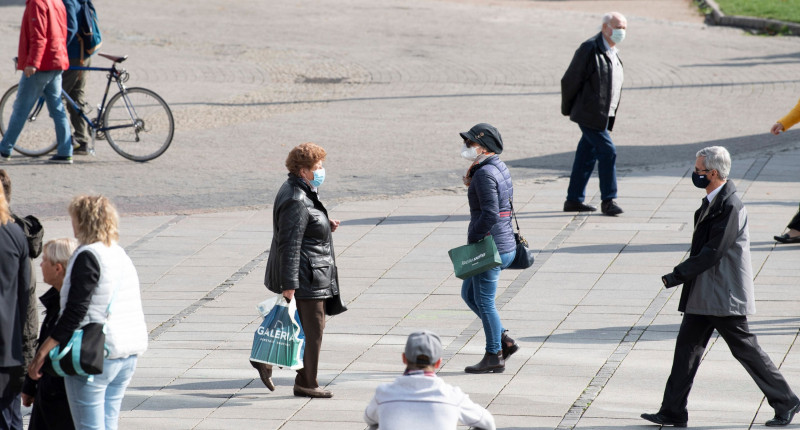
GfK’s forward-looking barometer rose to minus 7.0 points from minus 8.6 points a month earlier, signalling that German consumers are more optimistic about the economy. – AFP pic, May 27, 2021

FRANKFURT – German shoppers are heading into June feeling more optimistic about the economy as the country recovers from a third wave of the coronavirus, a key survey said today.

Pollster GfK’s forward-looking barometer rose to minus 7.0 points from minus 8.6 points a month earlier.

Germany is gradually reopening large parts of its economy after lengthy shutdowns and an accelerated vaccination pace helped push down infection numbers to their lowest levels in weeks.

“Openings and an end to the strict lockdown are in sight. This is fuelling optimism about the economy and creates a sense of a fresh start,” GfK consumer expert Rolf Buerkl said in a statement.

The survey of some 2,000 respondents found that consumers were significantly more upbeat about the prospects for Europe’s top economy than last month. 

The index for economic expectations jumped by 34 points to 41.1, its highest level in three years.

Income expectations are also on the rise, GfK said, on hopes that reopenings in hard-hit sectors such as hospitality and gastronomy will boost the number of people back in full-time employment.

Consumers however reported that they were less likely than last month to splash out on large purchases, which GfK blamed on the still-subdued services industry.

GfK predicts that Germans will start spending more in the second half of the year, when domestic consumption is expected to resume its role as a key driver of economic growth alongside exports.

When they do decide to open their wallets, Germans should have plenty of money to spend with GfK pollsters estimating that household savings rates have risen from 10%-11% before the pandemic to around 16% now.

Germans will have “considerable funds available” to satisfy pent-up demand, GfK noted. – AFP, May 27, 2021


Related News

Business / 1d

Pengerang needs to create wider economic value, not just store more oil, says expert

Business / 2w

Energy disruptions - a timely reminder that energy, economic security are interconnected - Minister

Malaysia / 1mth

Malaysia’s K-shaped economy: Growth without shared prosperity?

World / 1mth

Bangkok floods: The real pain starts when waters recede

Malaysia / 2mth

Anutin’s first year: Restoring Thailand’s political status quo

Malaysia / 2mth

Northern Malaysia must prepare for the consequences of lower rainfall

Spotlight

Malaysia

Anwar receives special recognition as 10,000 Muslims gather in Putrajaya

Malaysia

Video of elderly man being assaulted goes viral on social media

Malaysia

The wide reach of corruption and organised crime in the country

Malaysia

Malaysia pushes to give smaller economies stronger voice in Asia-Pacific trade – Anwar

Malaysia

No tsunami threat to Malaysia after 5.4-magnitude earthquake hits Banda Sea

Malaysia

Who is calling the shots in Negeri Sembilan as Ismail’s position comes under scrutiny?

Opinion

Ayob Khan: When the uniform comes off, the principles remain

Malaysia

MySiren to send emergency alerts to compatible phones nationwide from Nov 29 test

You may be interested

Business

Oil retreat offers limited relief as ringgit weakens against firmer US dollar

Business

Govt moves to block seven US-blacklisted entities from accessing local data centres

Business

Oil prices holds above US$80 as Hormuz attacks heighten supply concerns

Business

NexG share surge puts spotlight on RM7.5b takeover proposal as SC examines trading

Business

Pengerang needs to create wider economic value, not just store more oil, says expert

Business

Oil origin claims need official documents, not trader papers, says expert

Business

Three Malaysian firms placed on US trade blacklist over advanced technology diversion fears