Business

TNB expands national reskilling programme to gig sector

Shift towards remote, hybrid work arrangements will boost demand for gig workers, it says

Updated 4 years ago · Published on

TNB expands national reskilling programme to gig sector
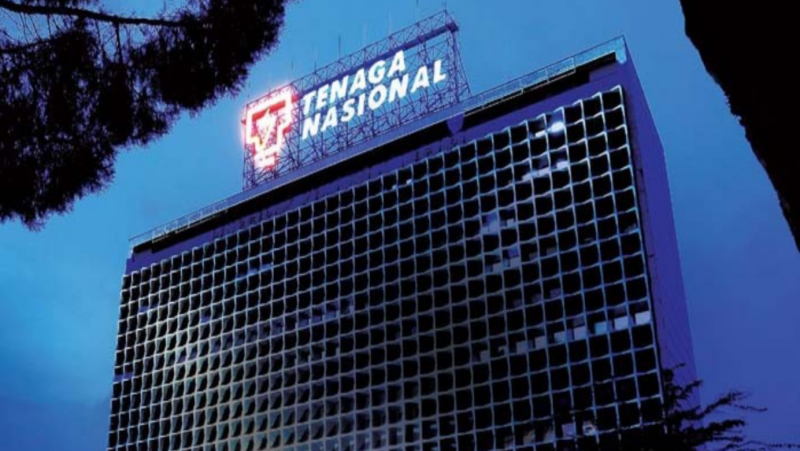
Chief people officer Wahizan Abd Rahman says the initiative aims to help increase their capabilities so they can explore new opportunities in the broader gig economy to increase their income. – Twitter pic, June 20, 2022

KUALA LUMPUR – Tenaga Nasional Bhd (TNB) has expanded the scope of the TNB Reskilling Malaysia (TRM) programme to include the growing gig sector in a bid to accelerate the country’s economic recovery.

Chief people officer Wahizan Abd Rahman said the shift in working arrangements towards remote and hybrid is expected to boost the demand for gig workers.

“But many also face challenges with finding work or doing business. We believe the time is right for gig workers to go beyond their current roles and reskill themselves for a better future,” he said in a statement.

Therefore, Wahizan said, the TRM initiative aims to help increase their capabilities so they can explore new opportunities in the broader gig economy to increase their income.

In line with the shift to digitalisation, a key feature of the Industrial Revolution 4.0 that is paving the way for more flexible work arrangements and self-employment, this will drive gig workers to boost the local labour market’s momentum.

Meanwhile, TNB Integrated Learning Solution managing director Siti Sarah Johana Mohd Said said this short-term module was designed specifically to prepare gig workers in line with market developments so that they can have more meaningful participation in the economy, armed with the additional skills.

TNB fully sponsors the training programme, which requires a service agreement inked between the employee and the company, the successful registration of the business with the Companies Commission of Malaysia, or the related business qualifications or agreements.

Selection of gig workers will be implemented via two sessions in June, and successful candidates will undergo training in digital skills, air conditioning maintenance, automated drone operation for Industry 4.0, and business mindset development. – Bernama, June 20, 2022

Related News

Malaysia / 3y

Renewables capacity set to grow, says TNB as M’sia targets net zero

Business / 3y

TNB expected to see up to RM2.3 bil returns from Laos energy deal starting 2025

Malaysia / 3y

Higher electricity tariff will hurt Penang water supply operator: Chow

Business / 3y

TNB’s net profit surges to RM1 bil in Q1

Malaysia / 3y

TNB wins appeal to set aside RM4 mil damages over power outage

Malaysia / 3y

Mid Valley area gets power back after fire: TNB

Spotlight

Malaysia

Anwar receives special recognition as 10,000 Muslims gather in Putrajaya

Malaysia

Video of elderly man being assaulted goes viral on social media

Malaysia

The wide reach of corruption and organised crime in the country

Malaysia

Malaysia pushes to give smaller economies stronger voice in Asia-Pacific trade – Anwar

Malaysia

No tsunami threat to Malaysia after 5.4-magnitude earthquake hits Banda Sea

Malaysia

Who is calling the shots in Negeri Sembilan as Ismail’s position comes under scrutiny?

Opinion

Ayob Khan: When the uniform comes off, the principles remain

Malaysia

MySiren to send emergency alerts to compatible phones nationwide from Nov 29 test

You may be interested

Business

Oil prices holds above US$80 as Hormuz attacks heighten supply concerns

Business

Pengerang needs to create wider economic value, not just store more oil, says expert

Business

Oil retreat offers limited relief as ringgit weakens against firmer US dollar

Business

MAG to add 10 Boeing Dreamliners in long-term fleet expansion drive

Business

NexG share surge puts spotlight on RM7.5b takeover proposal as SC examines trading

Business

Govt moves to block seven US-blacklisted entities from accessing local data centres

Business

Three Malaysian firms placed on US trade blacklist over advanced technology diversion fears