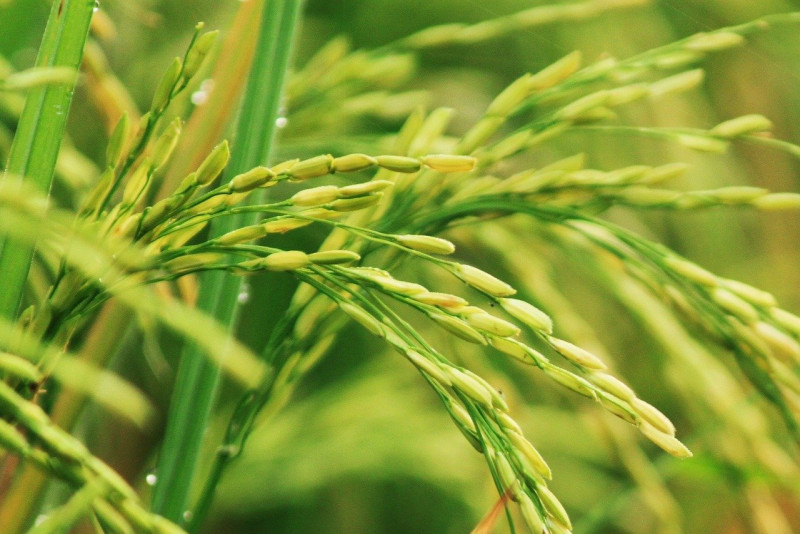
KOTA KINABALU – Sabah has formed a dedicated cabinet committee and revived the previously defunct Sabah Padi Board in response to the impact of increasing rice prices.
Currently, Sabah’s padi production accounts for 22% of rice sold in the state while the rest are imports.
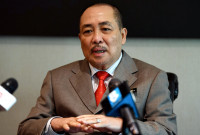
Sabah's Chief Minister Datuk Seri Hajiji Noor said the special cabinet committee has been tasked with addressing the state’s low self-sufficiency level in the agricultural sector.
This committee will be led by the state's Agriculture, Fisheries, and Food Industries Ministry (Maffi), he said.
“I am proud of the diligent efforts made by Maffi and federal government agencies’ as well as state agencies in working together to achieve the goal of increasing the self-sufficiency level of all types of food production in this state.”
“Among the identified issues is the decreasing area of paddy fields due to their conversion into residential and commercial areas,” he said in a statement here today.
His speech was read by the Sabah Deputy Chief Minister and Agriculture, Fisheries and Food Industries Minister Datuk Seri Jeffrey Kitingan.
Hajiji also announced that a new padi cultivation area in Trusan Sapi in Beluran has been set up, with 2,000 acres of land being set aside for the purpose.
Meanwhile, Hajiji predicted that the Sabah Padi Board’s revival would be able to improve the state’s self-sufficiency level for rice to 60% by 2030.
“At present, Sabah's self-sufficiency level for rice is at 22%, while 78% of the rice demand in the state is met through imports from countries such as China, Vietnam, Thailand, and Pakistan.
“We hope that with the Sabah Rice Board’s re-establishment, we can increase the self-sufficiency level of rice in the state and, in turn, reduce rice imports,” he said.
Speaking to reporters later, Jeffrey noted that the Sabah Padi Board will be activated next year.
The Sabah Padi Board was established in 1965 but closed down in 1981.
Prior to its dissolution, the state had recorded its own production contributing to 70% of rice sold in the state.
Hajiji dismissed concerns raised about potential rice price hikes in the coming months, even as Vietnam and India have restricted exports of the produce, saying the state could still import the commodity from other source countries.
Malaysia imports rice primarily from India (US$207 million a year), Vietnam (US$138 million), Pakistan (US$127 million), Thailand (US$66.3 million), and Cambodia (US$29.1 million). – The Vibes, July 27, 2023