[VIDEO] Kuala Lumpur architecture: The history behind KL's facade
Architect Bane Lim transports us through time, from the past to present, as we explore the architectural heritage of Malaysia’s capital
Updated 4 years ago · Published on
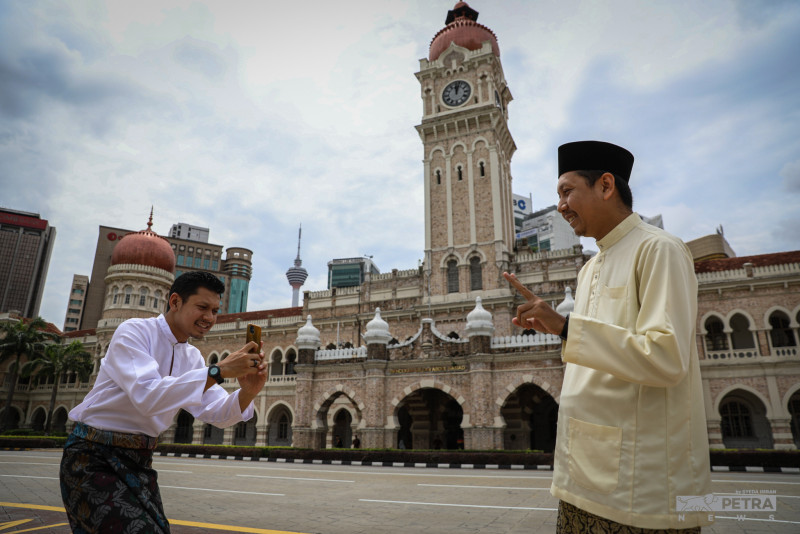
Kuala Lumpur’s colourful melting pot can be identified from its buildings. All it takes to understand the significance of the city’s architectural feats is a little sense of intrigue to discover the stories behind the hybrid structures we see. – The Vibes/Syeda Imran, July 24, 2022
by Amalina Kamal
A profound city with dynamic social and economic history, Kuala Lumpur is a robust metropolitan centre that combines old colonial influences with eastern traditions and contemporary inspirations.
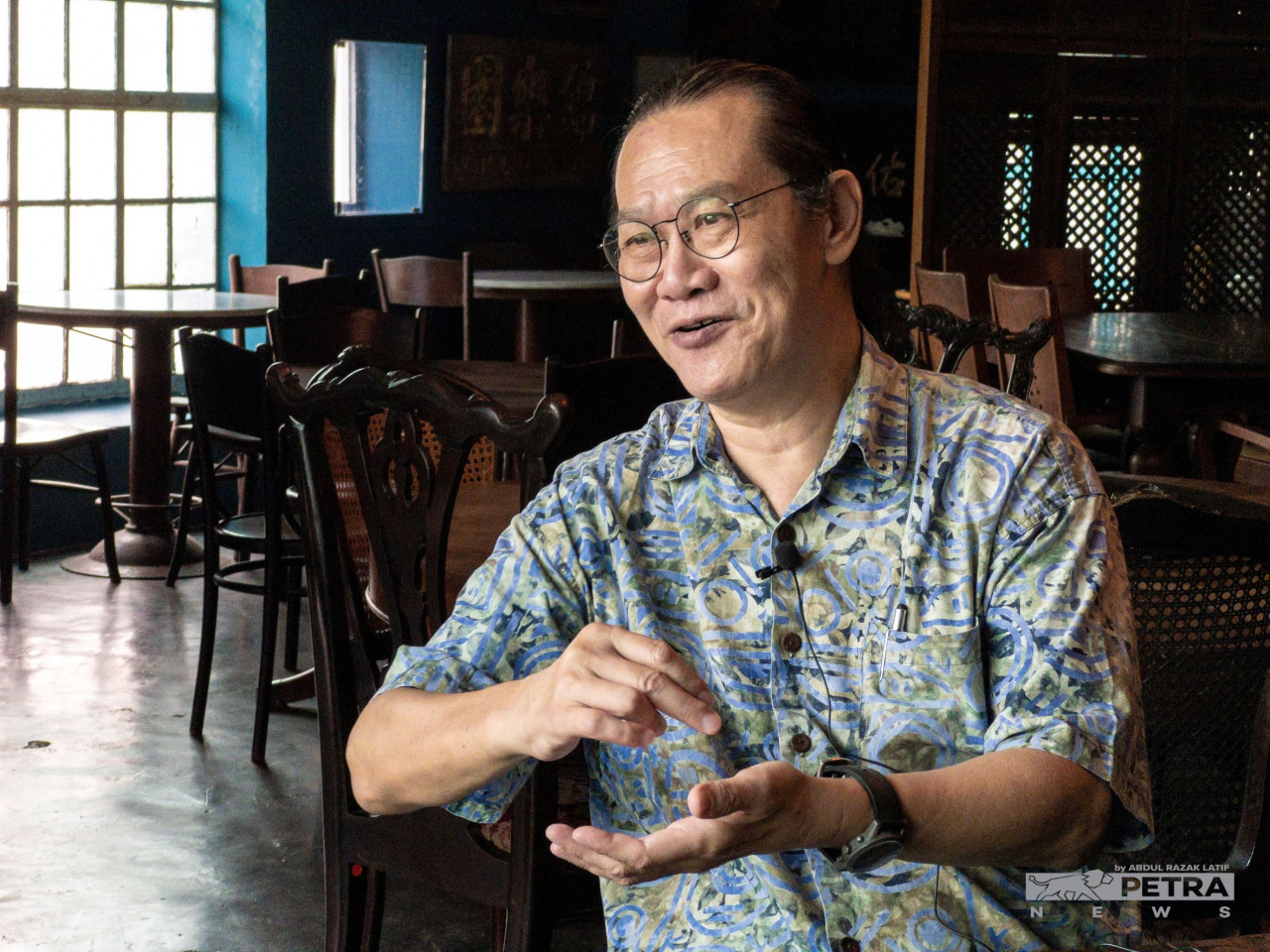
Architect Ar. Lim Take Bane, or Bane Lim, views good Malaysian architecture as where the design responds to the climate. — The Vibes/Abdul Razak Latif
This marriage of culture and heritage is evident in the cityscape that we see, making KL an adventurous playground thanks to its tumultuous design identity. For many, the city is indeed an architectural canvas.
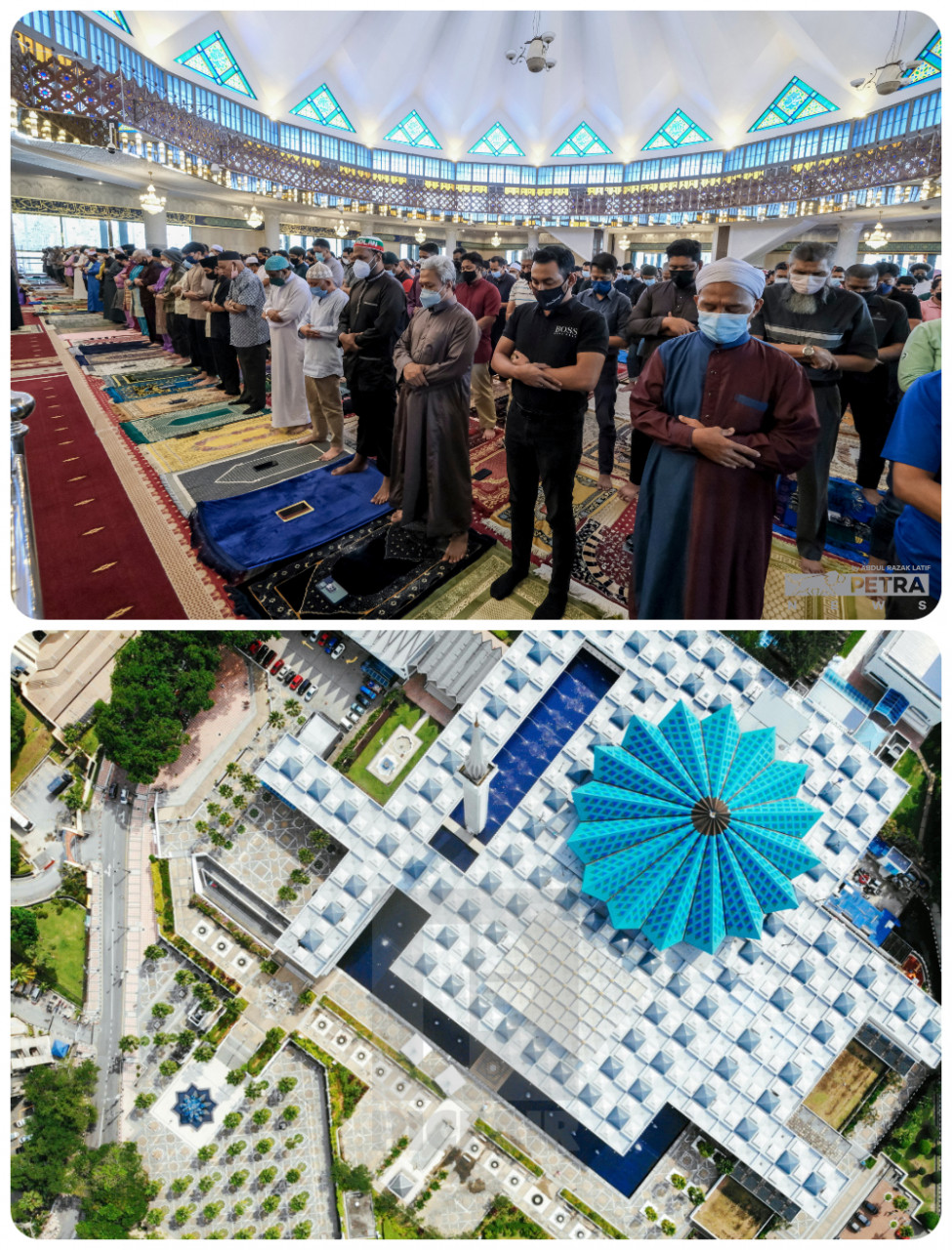
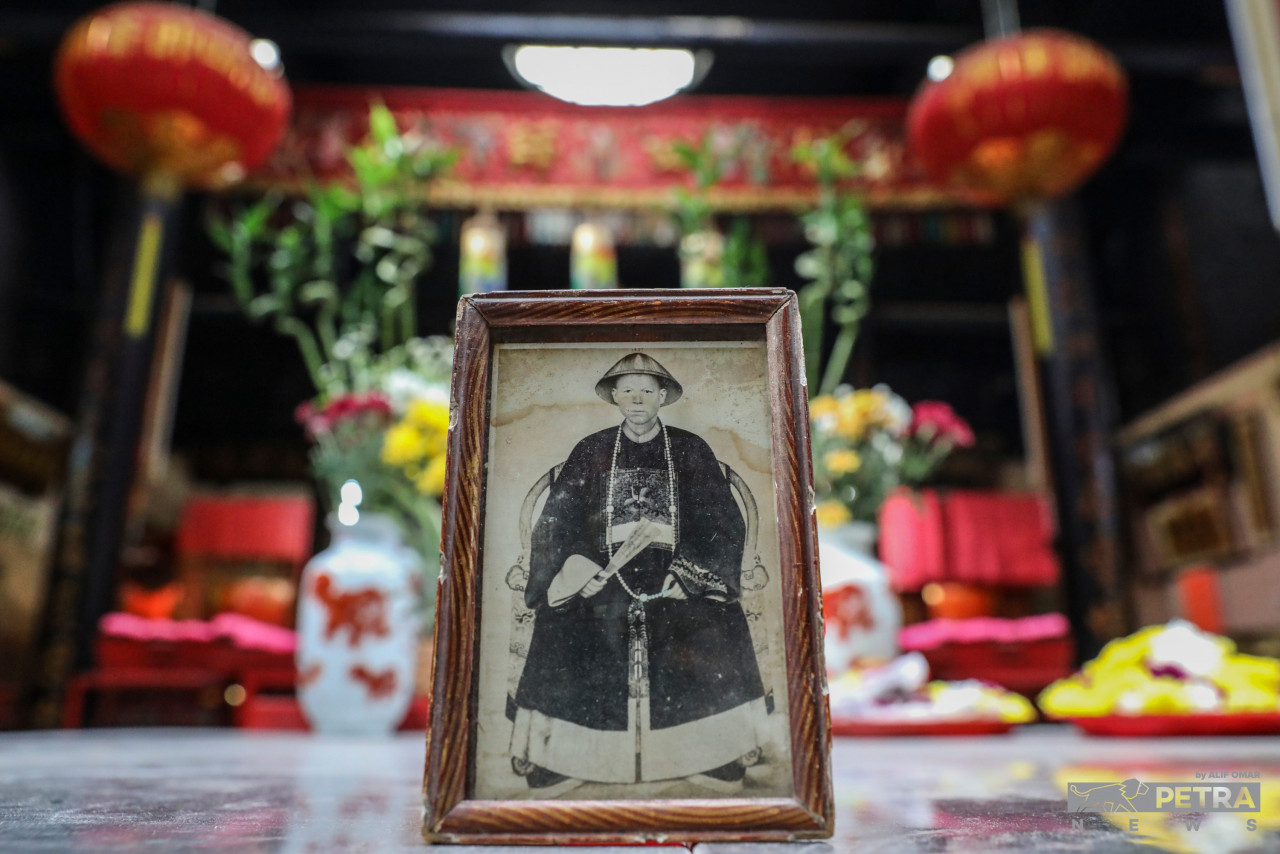
One good example of a building that compliments the climate it inhabits is the Masjid Negara, aka the National Mosque, in Kuala Lumpur. According to Bane, the unique building uses the symbolic architectural form of an unfurled royal 'umbrella' in reinforced concrete to cover the main space, and a folded 'umbrella' at the top of the minaret. Elsewhere in the grounds, the folds of another concrete 'umbrella' cover the national mausoleum. — The Vibes/Abdul Razak LatifThe centuries old Sin Sze Si Ya Temple in KL, pre-dating to Yap Ah Loy’s time, stands out as a visibly good example of exploring the passage of time. — The Vibes/Alif Omar
If walls could speak
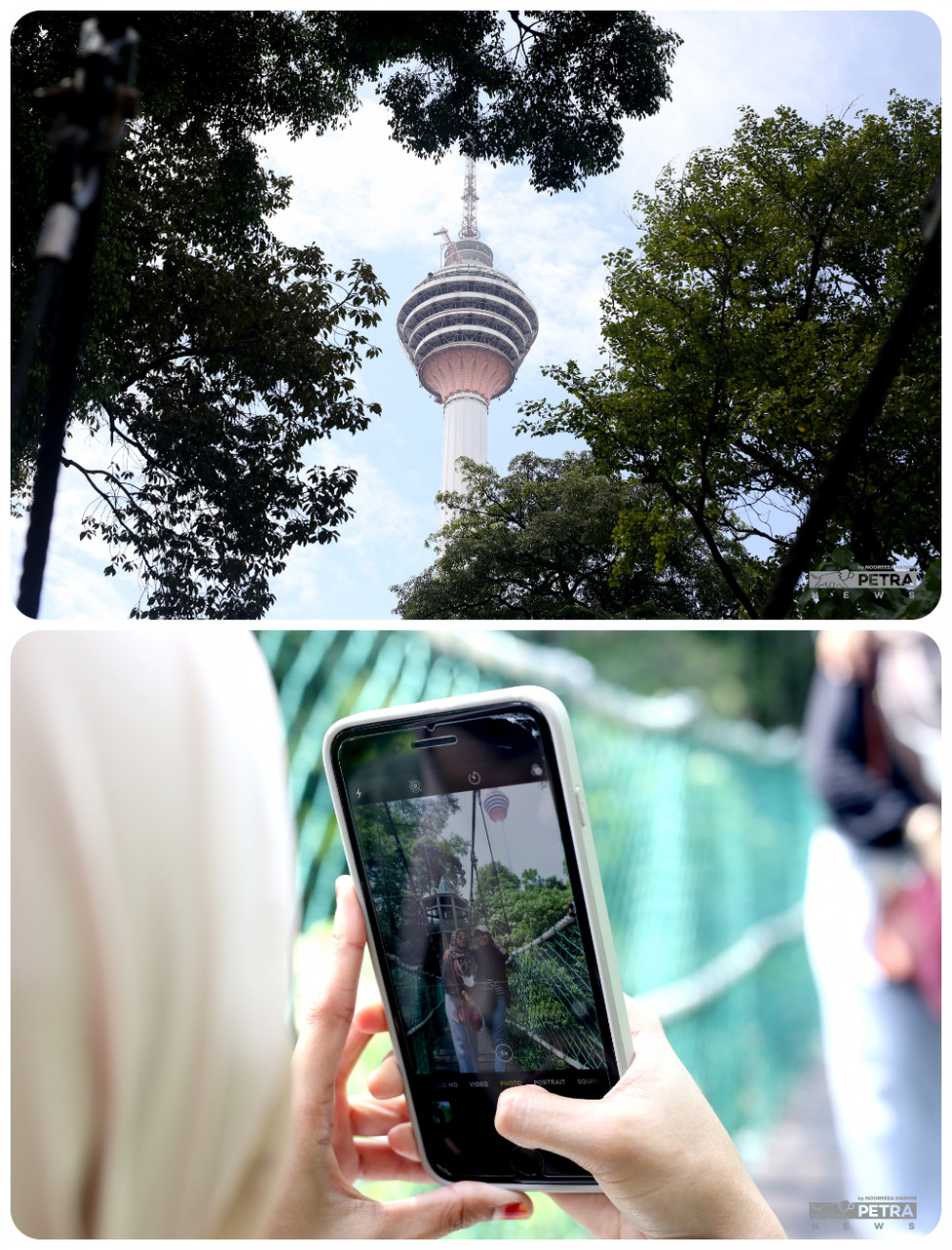
Menara Kuala Lumur opened to the public in 1996, and was the tallest structure in Malaysia at the time of its completion, before the Petronas Twin Towers surpassed it a mere three years later. — The Vibes/Nooreeza Hashim
In this Lens KL feature series, The Vibes Culture & Lifestyle looks at Kuala Lumpur’s built environment, understanding the motivations behind the structures and more importantly the stories that shape the city’s identity.
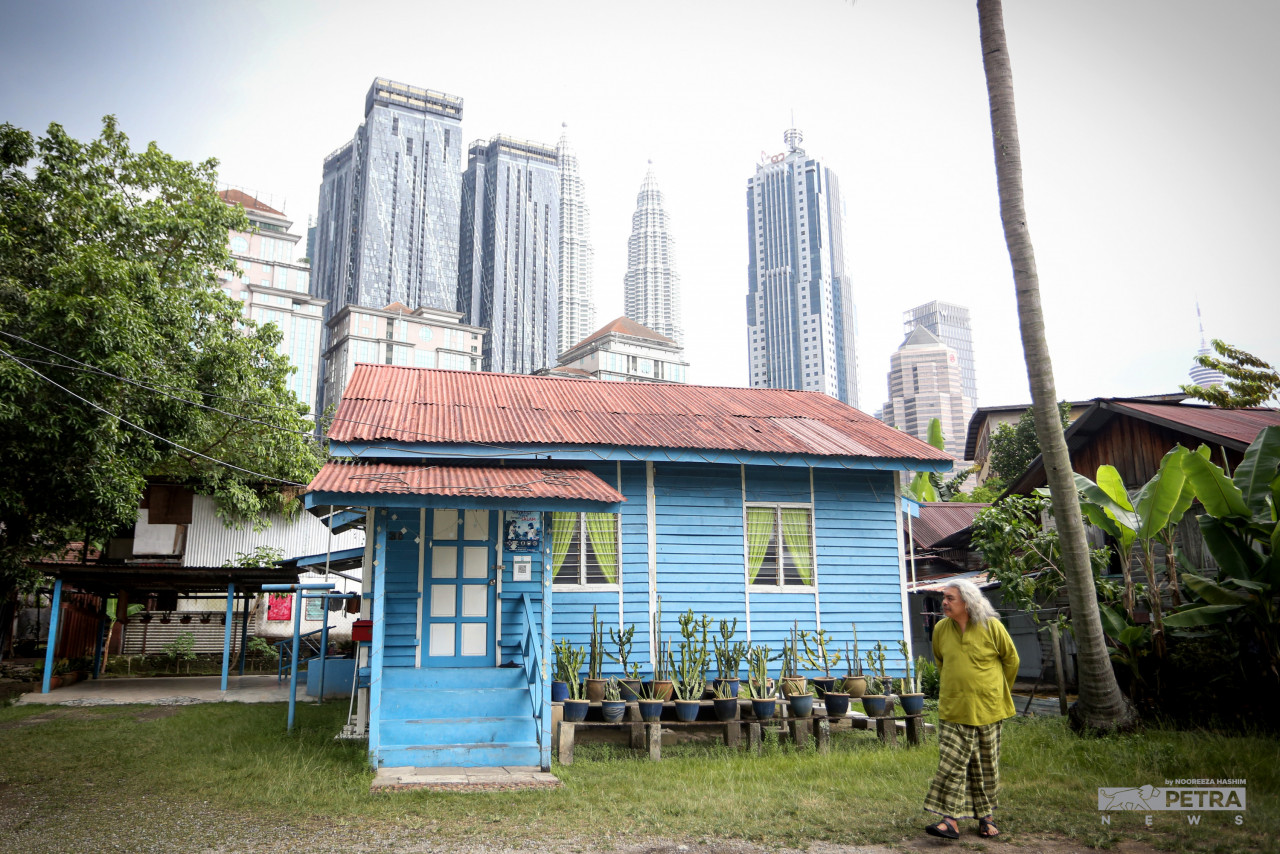
There are many elements that can shape a city. However, for a built environment to be prosperous, its lived environment would need to be catered to fittingly first. Kampung Baru in Kuala Lumpur is a good example of this. — The Vibes/Nooreeza Hashim
– The Vibes, July 24, 2022
Related News
Malaysia / 3d
Masked men steal cables near TREC in broad daylight (video)
Malaysia / 4w
Kedah: The ancient Malay kingdom challenges the conventional narrative of Malayan history
Entertainment / 2mth
ALIFE calls for one-stop centre to manage and market concerts
Opinion / 2mth
The Price of Hubris and not learning from history
Heritage / 2mth
Penang first state to recognise Hungry Ghost Festival, cemeteries as heritage
Opinion / 3mth
One more temple falls: The destruction of Malaysia’s soul?
Spotlight
Malaysia
Anwar receives special recognition as 10,000 Muslims gather in Putrajaya
Malaysia
Video of elderly man being assaulted goes viral on social media
Malaysia
The wide reach of corruption and organised crime in the country
Malaysia
Malaysia pushes to give smaller economies stronger voice in Asia-Pacific trade – Anwar
Malaysia
No tsunami threat to Malaysia after 5.4-magnitude earthquake hits Banda Sea
Malaysia
Who is calling the shots in Negeri Sembilan as Ismail’s position comes under scrutiny?
Opinion
Ayob Khan: When the uniform comes off, the principles remain
Malaysia
MySiren to send emergency alerts to compatible phones nationwide from Nov 29 test
You may be interested
Stage
Dancers thrill audience with their enchanting ballet performance
By Ian McIntyre
Film
Malaysian actor makes Golden Horse history with Best New Performer win