MALAYSIA imports approximately RM100 million worth of lemons every year, but the managing director of Superfruits Valley, Robin Lim, is looking to feed the nation’s demand with locally grown citrus fruits.
As one concerned about nutritional security in Malaysia, Lim decided to venture into growing superfruits in 2016 after being an organic farmer in Perlis since 2014.
“Not many people are aware of nutritional food, and that is why I decided to look into growing fruits that have high nutritional value.
“Food has always been the essential thing for people, and when I was in the hospitality business, looking into starting something on my own, I saw superfruits as an opportunity because we can be in the position to grow fruit for the country.
“Fortunately, after the pandemic, more and more people have started to be aware of the kinds of nutrition found in fruits,” he told The Vibes.
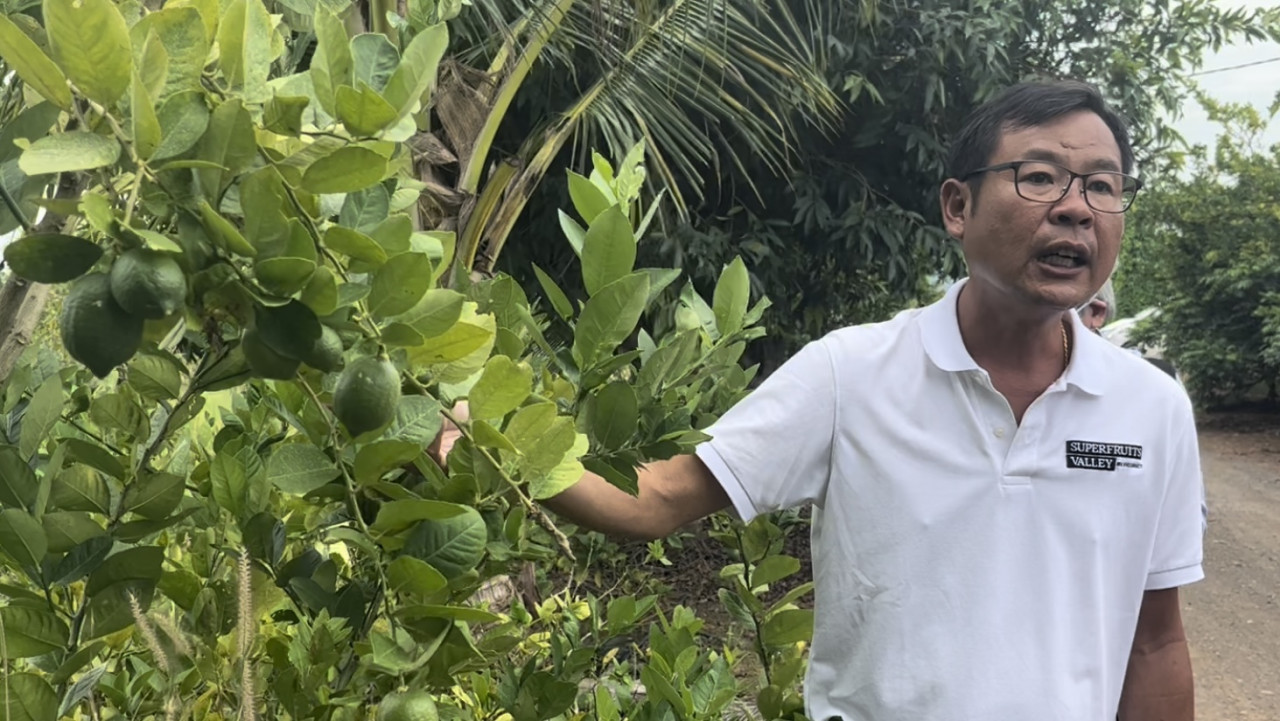
A firm believer in growing fruit for the nation, he does not export any of his harvests. Now with 60,000 lemon trees on his farmland in Chuping, Superfruits Valley is the first commercial lemon farm in Malaysia.
Before he started, Lim saw the need for locally grown lemons when he found that 100% of lemons being sold in Malaysia are imported. Seeing that Malaysia has a somewhat similar climate to Spain and South Africa, where lemons are grown widely, he decided to do a one-year trial by growing a small batch of the fruit.
In 2013, he started with 5,000 lemon trees, and after one year, Lim saw that them grow well with robust blooms.
After the trial, they took another two years to make the seedlings and chose varieties before they could grow them commercially. The number of trees slowly increased to 60,000.
He also found lemons grown in Malaysia, without the presence of pesticides and wax coating, are way more fragrant with higher levels of essential oils than imported ones.
“Most people think lemon is just lemon, but they don’t know that there are many different types of lemon.
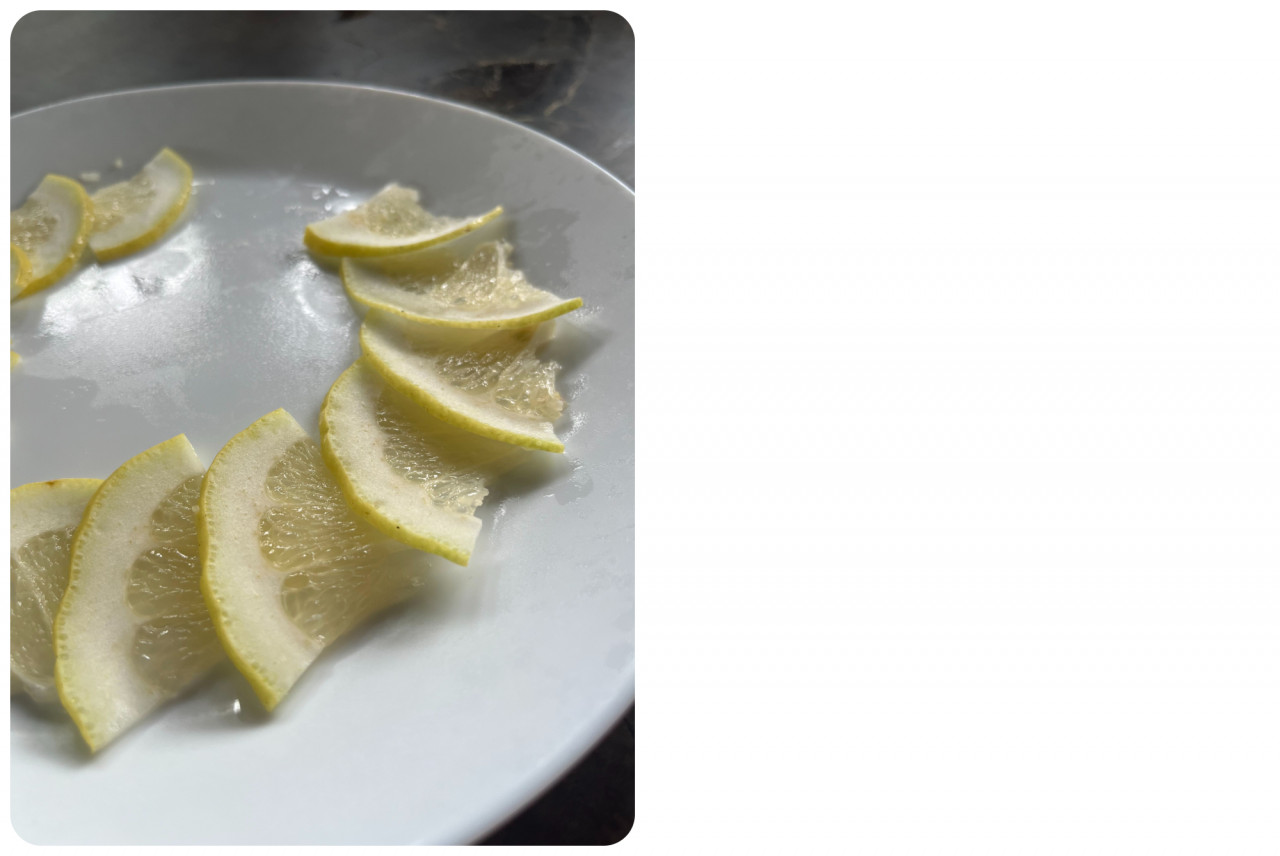
“Here, we have the Eureka lemon, also known as the table lemon or common lemon where people squeeze on their food, but there are also others like the large Amalfi lemon originating from Italy where the skin can be eaten,” he said.
Other varieties include the Brazillian lemon, a smaller, often seedless lemon great for juices; the Meyers lemon, which is a crossbreed between a mandarin and lemon, often used for cooking; Variegated lemon with yellow and green skin, and also their own variety which can be consumed green or yellow and is extremely juicy.
Though these lemons are grown for the local market, Lim says many supermarkets are still not confident to purchase them because the skin is not as shiny due to the absence of a wax coating. However, he is determined to educate the masses by engaging with Tourism Malaysia to market agro-health tourism.
A niche market that is different from agro-tourism, Lim wants tourists to visit the farm and learn about healthy fruits being grown and how to consume them, instead of learning about the farm's operation.
“We need more local support, and for the past six years, we had some.
“However, we need locals to understand that locally grown fruits will look different than the ones that are imported.
“We also sell them at a very affordable price, not according to the imported market rates,” he said.
With hopes for a higher demand for locally grown superfruit, Lim expects to expand accordingly. With other types of super fruit like finger lemons, gac fruit and figs, several types of superfruit are also currently undergoing trial.
His endurance in growing fruits is laudable in an age where the country is trying to scale down its reliance on food imports, with costs reportedly having grown to RM55.5 billion in 2020.
Superfruits Valley will be venturing into commercialising gooseberry soon as it is considered the most nutritional berry within the berry family. However, the current market rate is RM150 for one kilogram. Because it is high in nutrition, he wants the masses to be able to access it without paying through the nose. – The Vibes, May 10, 2022