LIKE forests and oceans, wetland plants are also very effective at capturing and storing carbon. And the good news is that wetland restoration is improving, increasing their ability to be used as a natural and sustainable tool to combat climate change.
When it comes to global resources for capturing CO2 from the atmosphere, forests and oceans are most often mentioned. But wetland plants are also valuable carbon sinks. Such is the conclusion of a study by a team of researchers from the Netherlands, the United States and Germany.
Published in the journal Science, the study outlines how saltwater and freshwater wetlands capture and store huge amounts of CO2 thanks to the plants that make up these landscapes.
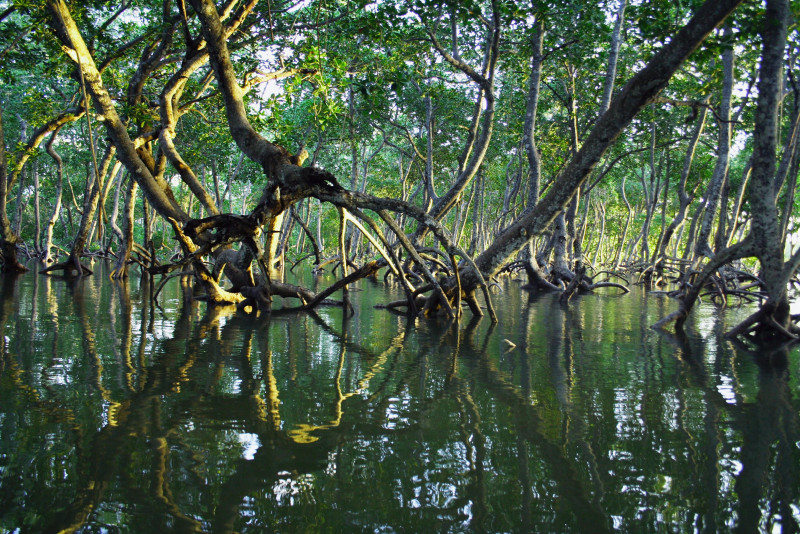
Marsh plants can be found in zones such as peat bogs, salt marshes, mangrove forests and seagrass beds. While these cover only 1% of the Earth's total surface, they sequester more than 20% of all the CO2 absorbed by ecosystems worldwide, the research points out.
"When we look at the amount of CO2 stored per square metre, it turns out that wetlands store about five times more CO2 than forests and as much as 500 times more than oceans," says the study's first author, Ralph Temmink, a wetland ecologist at Utrecht University.
These wetlands are composed of landscape-forming plants that help each other out when they grow close together, the researchers say. In raised bogs, for example, peat mosses are able to hold an enormous amount of rainwater, helping these plants to grow and also helping to capture CO2.
"Restoration is much more successful when the plants are placed in large dense clumps, when their landscape-forming properties are mimicked, or simply when very large areas are restored in one go," says Tjisse van der Heide, researcher at NIOZ and professor of coastal ecology at the University of Groningen.
"The good news is that with this knowledge, large-scale restoration of these important wetlands is now within reach." – ETX Daily Up, May 12, 2022