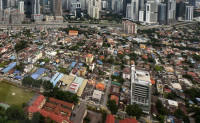

JUST 700m away from the majestic Petronas Twin Towers, the world’s tallest twin skyscrapers in the heart of Kuala Lumpur, lies a Malay traditional village known as Kampung Baru.
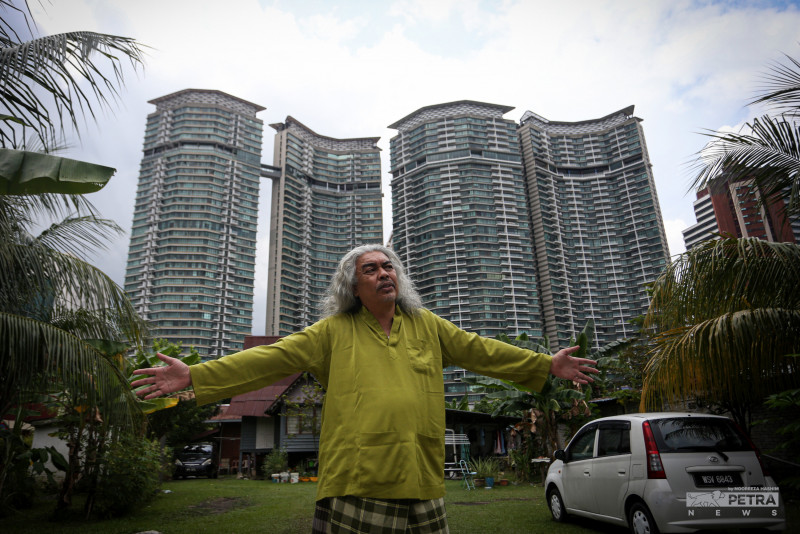
Established in 1899 by a grant from the then Sultan of Selangor, Sultan Alaeddin Suleiman Shah, and officially opened in January 1900, Kampung Baru owes its rural vibe to traditional Malay wooden stilt houses, edged by jasmine, hibiscus, banana and rambutan trees; roosters and ducks wandering the narrow lanes.
In conjunction with the 50th Golden Jubilee Year of Kuala Lumpur, since it became the first settlement in Malaysia to be granted city status on February 1, 1972, the Vibes Culture and Lifestyle speaks to Fuad Fahmy Mubarak, a fourth generation Kampung Baru native on the development and progression of Kampung Baru to date.
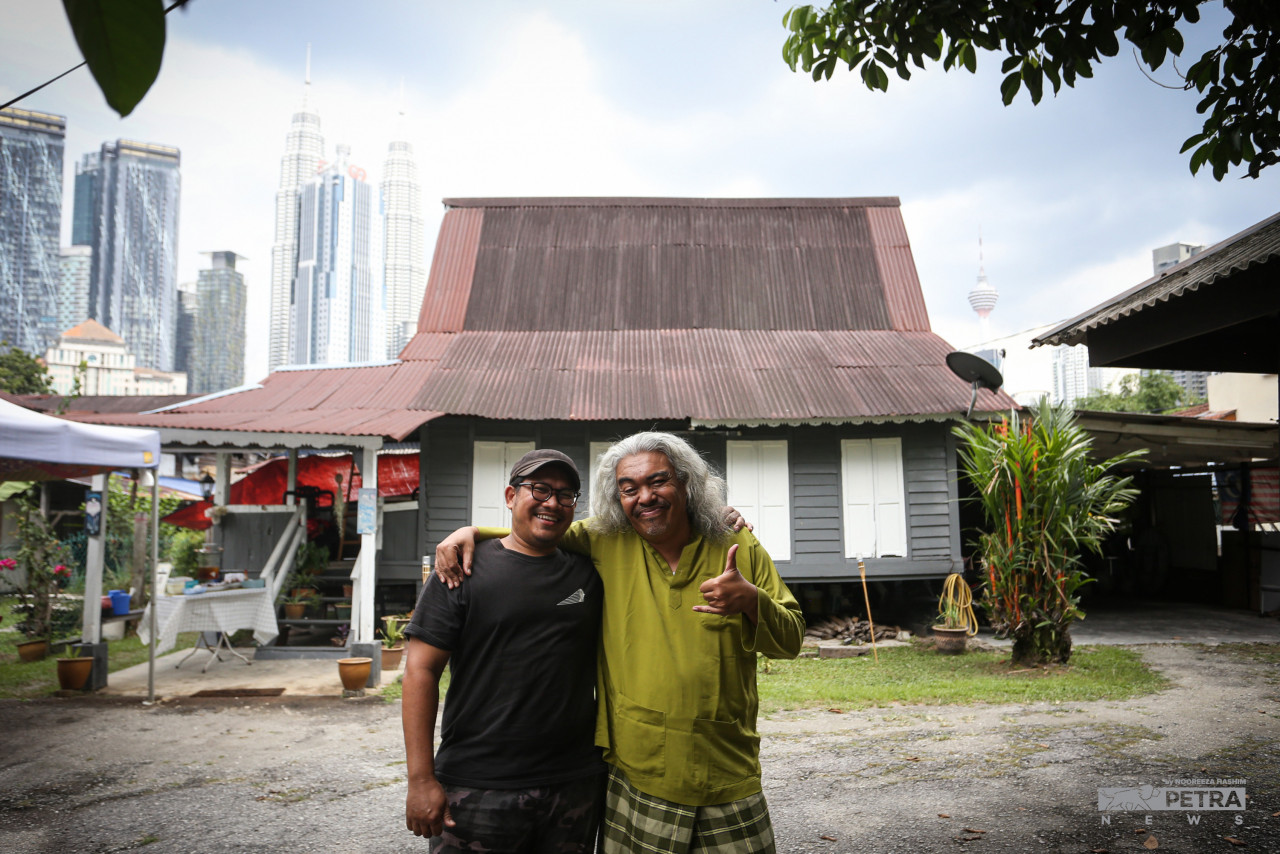
“My great-grandfather was the first imam at the Masjid Kampung Baru in 1907 and was awarded this piece of land in Kampung Baru Atas B, which we have been living in since 1927.
“So, that makes our family home almost a hundred years old,” said the 49-year-old local walking tour host.
According to Fuad, during the 1980’s, Kampung Baru was still very much a kampung set-up, with smaller roads which could only fit two cars as opposed to now, where the location is being surrounded by a concrete jungle.
Fuad then shares his childhood memories with us, particularly, when his neighbours had big lawns in the early '80s.
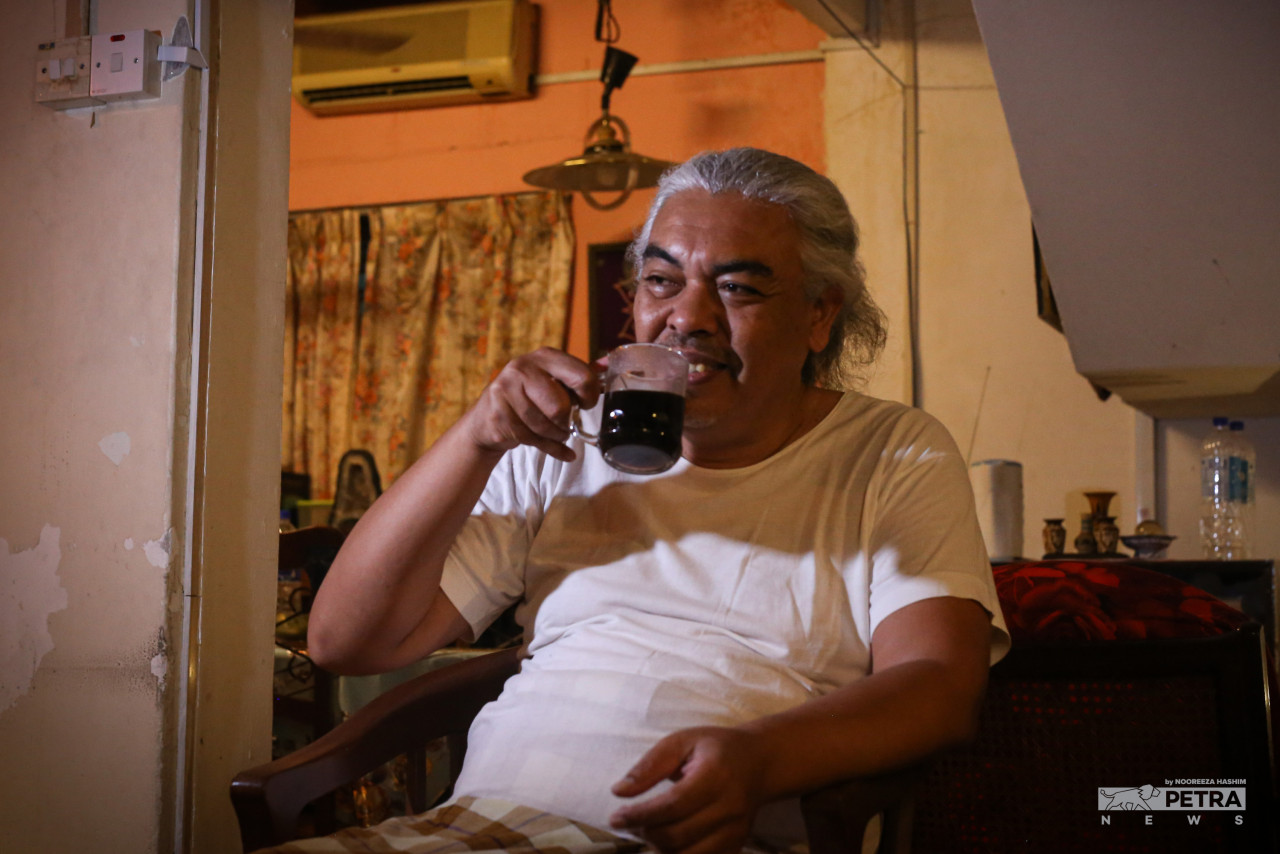
“We used to play football when we were around Standard Two or Standard Three and used the ‘ampai kain’ (clothesline) as goalpost.
“And that goalpost was located right next to our home window.
“On several occasions, we kicked the ball hard and the next thing we knew, there was a ‘boom’ sound followed by glass shattering.
“The next sound… ‘Fuuaad’ by my mother,” giggled the father of three.
However, Fuad expressed that such experiences will never be felt by current generation, including his own children, as he firmly believes these changes are caused by modernity and today's environment.
On current times, although development is necessary, Fuad is of the opinion that Kampung Baru needs to be preserved seeing that it is the last Malay enclave of central Kuala Lumpur.
“Kuala Lumpur (KL) should retain its own identity and not follow other big cities. We should be restoring back what's left of KL.
“DBKL should zoom into houses that are rundown or semi-rundown conditions… trail of Malay architecture… old houses… et cetera,” he said, adding that it is high time that a Malay Cultural Centre is formed in Kuala Lumpur.
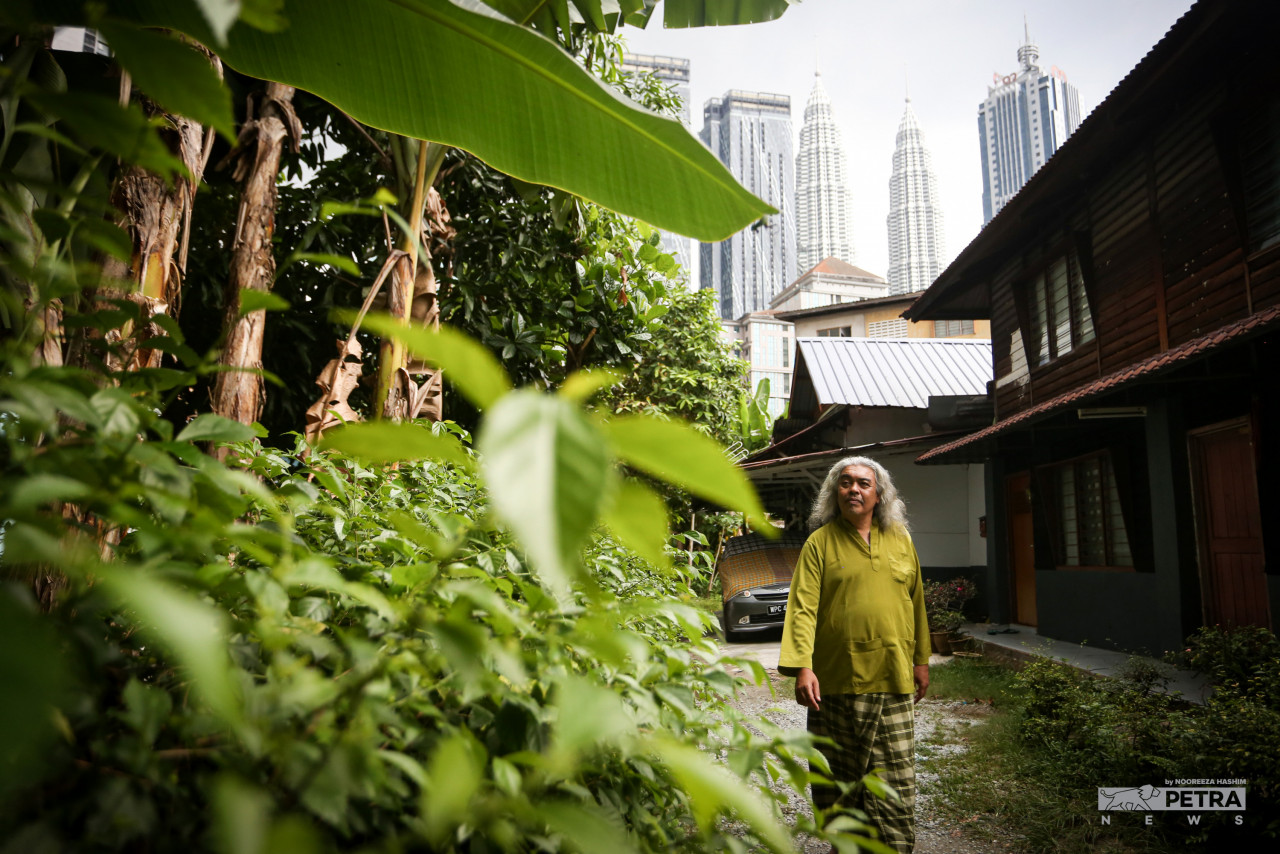
While it may be difficult for some to understand the cultural and historical importance of Kampung Baru, Fuad sincerely hopes that authorities will take a step back from robbing further of what is left of its charms.
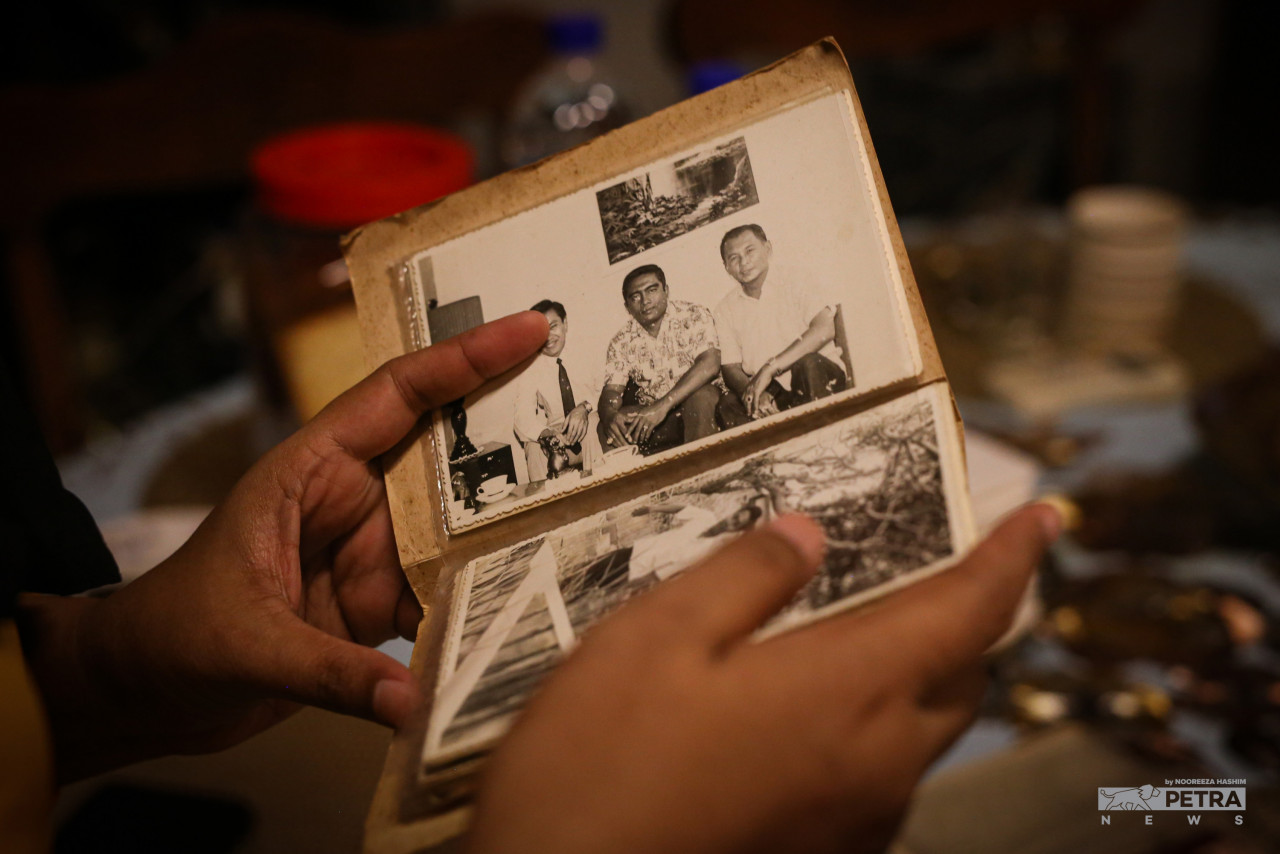
“I always share these with my kids and also nieces of old photos, stories (history), letters from my late grandfather because I want them to know where they (we) are from, and what values we have by staying here in Kampung Baru,” he reiterated.
Fuad, a graduated from Universiti Teknologi Mara (UiTM) with a Certificate in Travel Operations in 1992, began his career as a travel agent and has been involved in the tourism industry ever since.
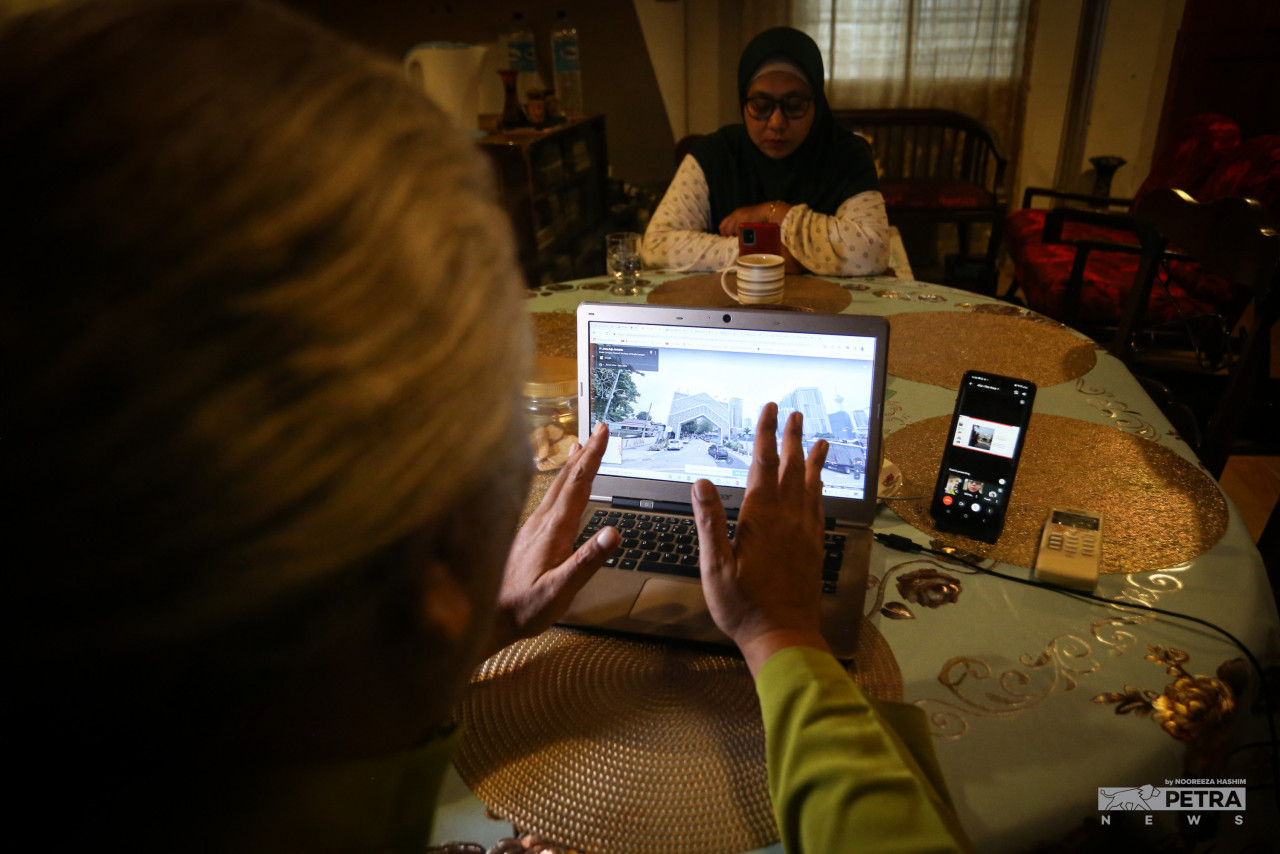
In 2016, he started pursuing a solo career as a walking tour host in this neighbourhood – famously known as ‘Magical Kampung Baru’ walk, where Fuad provides an extraordinary experience for visitors in a three-hour walk, giving them a slice of serene rustic Malay life right in the centre of a modern metropolis.
In 2020 when Covid-19 struck, in no time ‘Magical Kampung Baru’ was put on hold, but that did not stop Fuad.
Fuad then managed to come up with an alternative, making the 'Magical Kampung Baru' walk come to life via virtual tours (online).
“The first few times it was quite odd, but after a while I see that this is the trend in tourism right now.
“Even though the borders are opened now and I’m back to my regular physical tour walks, I still receive enquiries for online.
“So now I do it both,” he added. – The Vibes, June 26, 2022
*This article is part of a series of content produced for Lens KL, The Vibes Culture & Lifestyle’s fortnightly series that sheds light on the past, present and future aspirations of Kuala Lumpur.