FROM gums and carrageenan to starches, preservatives and tartrates, there are several hundred food additives authorised for use in the European Union. For the food industry, their roles are many and varied. They can optimise the preservation of food, but also enhance its taste or make for a thick or jelly-like texture, depending on the desired result.
Their compositions are just as diverse. There are synthetic additives created by chemical or enzymatic reactions, such as Butylhydroxytoluene, a synthetic antioxidant used in cereals or chewing gums. Other additives are of natural origin, extracted from plants, animals or minerals. And this category could soon include options of a whole new kind...
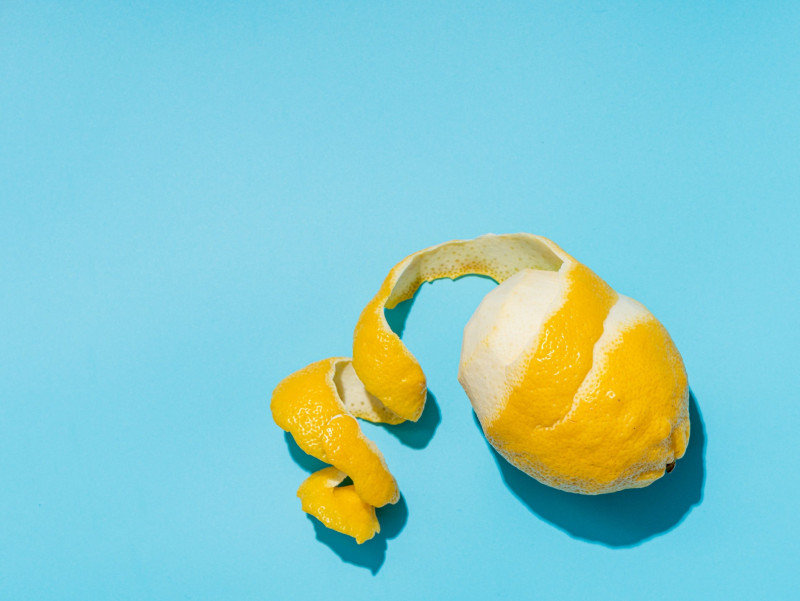
In Valencia, the AINIA research laboratory has teamed up with a desserts brand called Lacteos Romar, which makes custards, rice pudding and jellied yogurt, as part of a research project designed to reduce food waste in a surprising way. The scientists are extracting compounds from fruit skins that can offer the same technical properties as some currently used additives when it comes to stabilising and texturising a preparation.
If the project becomes viable long-term, the results would make it possible, for example, to reduce reliance on gelatin of animal origin to make various foodstuffs, such as candy. According to the specialised media Food Navigator, to whom the researchers spoke, this project is all the more interesting from a nutritional point of view, since the proportion of sugars in certain products could even be reduced as a result.
The development of these new food ingredients is all the more necessary as more and more people seek to cut ingredients of animal origin out of their diets. The project makes use of a variety of organic waste that covers a wide seasonal calendar. This ensures that there is enough raw material to recycle throughout the year – at least in Spain – since the scientists are using citrus fruit, as well as watermelon and persimmon skins. – ETX Daily Up, September 28, 2022