CASES of violence involving individuals with mental health conditions must be understood with care and grounded in psychological knowledge, without stigmatising people with mental illness as a whole, mental health experts have said.
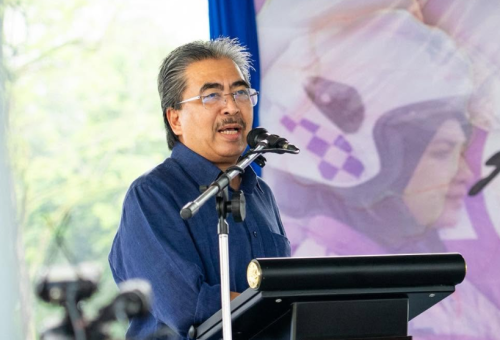
The president of the Malaysian Psychological Association, Associate Professor Dr Shazli Ezzat Ghazali, said this included incidents in which family members are attacked by individuals suffering from mental health disorders.
“From a psychological perspective, the majority of individuals with mental disorders are not dangerous and are able to live normal lives if they receive appropriate and continuous treatment,” he said.
“However, the risk of violence can increase when an individual is in a state of acute psychosis, has uncontrolled emotional disturbances, or is involved in substance abuse, particularly when treatment is refused or discontinued,” he added when contacted on Saturday.
Dr Shazli was commenting on a report in which a husband and wife were seriously injured after being attacked with a samurai sword by their son during a rampage at a house in Persiaran Putra, Bandar Baru Putra, Ipoh, Perak.
The incident reportedly involved a 29-year-old suspect with a history of mental health treatment who had previously received care at a psychiatric hospital and was said to be in a state of confusion, claiming he was being chased by ghosts.
Dr Shazli said that in many cases, delays in seeking treatment stem from stigma, denial by family members, and misunderstandings about psychiatric institutions.
“There is still a perception that admission to a mental hospital is a form of punishment, when in reality it aims to stabilise patients, protect their safety and that of others, and support the recovery process,” he said.
“As such, family members play a crucial role as the first line of defence for those experiencing mental health problems,” he added.
The senior lecturer in the Clinical Psychology and Behavioural Health Programme at the Faculty of Health Sciences, Universiti Kebangsaan Malaysia, said families should be alert to warning signs including sudden personality changes, unrealistic speech, extreme suspicion, or threats of self-harm or harm to others.
“These signs should not be taken lightly. Professional help should be sought early to prevent unwanted tragedies,” he said.
Dr Shazli stressed that preventive measures are far more effective than action taken after an incident has occurred.
“Society must stop blaming mental health patients in general. We need to focus on the importance of early treatment, family support, and mental health literacy,” he said.
“This is not merely an individual failure, but a failure of support systems, understanding, and the courage to act early for the safety of all,” he added.
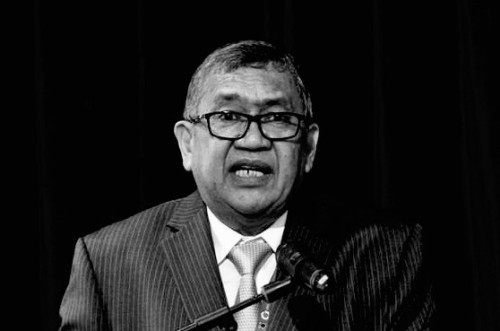
Separately, consultant psychiatrist and president of the Malaysian Mental Health Association, Professor Datuk Dr Andrew Mohanraj, said many families still opt for traditional treatments, including seeking help from shamans, when dealing with mental illness.
“The traditional practices of Malaysia’s various communities mean that many people believe mental illness should be treated by visiting a bomoh,” he said.
“This makes it easier for society to accept supernatural explanations such as black magic, resulting in some families choosing not to send patients to hospital,” he added.
Dr Andrew urged families to seek hospital-based treatment instead of relying on traditional methods that could cost thousands of ringgit without addressing the underlying condition.
“Mental health problems are far more effectively treated when addressed early. Do not waste time and money on traditional interventions; focus on the treatment provided by the government in hospitals,” he said.
“When patients receive early treatment, they can recover and function within society. If we truly care for our family members, we must act early, even if it feels difficult,” he added. - December 28, 2025