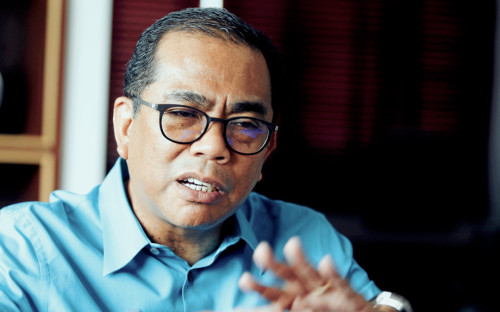

NEVER one to shy away from a fight, former activist Peter Jaban is bringing his community advocacy into the political arena, aiming to shake up Batu Lintang with an ambitious agenda of property reform, urban renewal, and inclusive development.
Batu Lintang is an urban constituency where property ownership, commercial development, public infrastructure and the rising cost of living are important concerns for residents.
The Sarawak state election will be held on Dec 12, following the dissolution of the 19th Legislative Assembly on Oct 26.
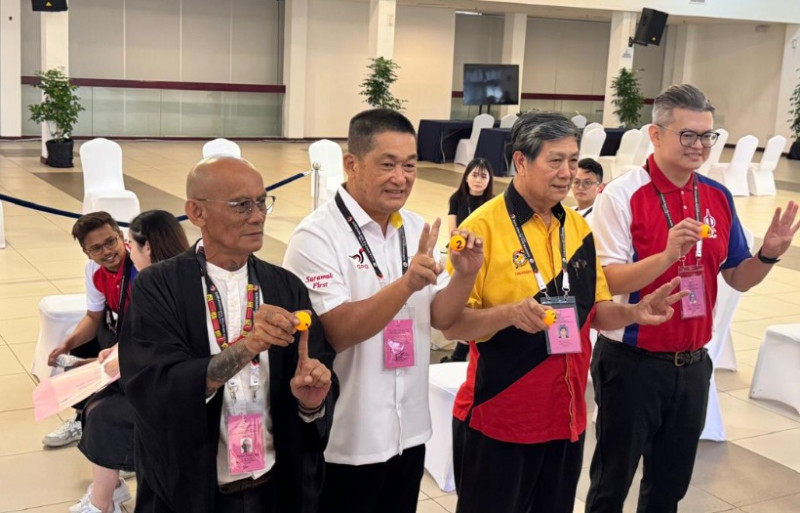
Peter's entry as an independent candidate adds another dimension to the Batu Lintang race, with incumbent See Chee How, Voon Lee Shan of Parti Bumi Kenyalang (PBK) and DAP's Dr Kelvin Yii Lee Wuen also emerging as contenders after nominations closed at 10 am today.
Campaigning under the principle “Everyone grows together”, Peter wants to see native communities unlock the value of their land, local businesses flourish and neglected neighbourhoods regain their vitality.
Speaking to The Vibes about his candidacy today, he outlined proposals ranging from extending land leases to 999 years to creating community-led regeneration programmes and helping low-income households cope with rising living costs.
A major plank of his agenda is property reform, which he believes could unlock economic opportunities for individual owners and native communities.
He proposed moving towards 999-year land leases across the board whenever existing leases come up for renewal.
He also wants Native Title land converted to mixed-zone status, saying this would mean “releasing a valuable capital asset for native communities.
Other proposals include introducing strata titles for individual shophouses to enable owners to realise capital gains and improve access to retail, commercial and residential spaces.
He also called for simpler licensing requirements for privately owned commercial properties.
Peter believes urban regeneration must involve the people who live and work in the affected communities.
“Community participation before planning permission is essential for successful development,” he said.
His proposals include bringing vacant properties back into the market, providing affordable commercial spaces and engaging developers to ensure that projects respond to local needs.
He also wants incentives for residents to establish businesses in their own neighbourhoods, revitalise community-focused commercial districts and encourage public-private partnerships to renew shared spaces.
Better connectivity is another priority, particularly last-mile infrastructure linking homes, schools, shops, public transportation and parking facilities.
He also proposed safer streets through improved lighting, more pedestrian activity, and more vigilant, responsive policing.
Beyond property and economic development, Peter said his vision must address the everyday challenges facing ordinary residents.
He proposed an essential goods programme to support low-income households struggling with rising living costs while also providing business opportunities for local traders.
“Everyone grows together” is also reflected in his proposal for neighbourhood facilities catering to different generations.
These include vibrant youth clubs, community centres and senior citizens' centres, particularly in neglected areas.
He also wants adult education programmes that allow residents to share their knowledge and skills to empower the next generation.
On environmental sustainability, Peter proposed community-based recycling centres and neighbourhood initiatives to promote cleaner surroundings.
On the distribution of public resources, Peter called for a departure from politically influenced allocations.
“State funding must be based on need, not political affiliation,” he said.
His proposals offer an ambitious vision for Batu Lintang, combining property and economic reforms with social welfare, community participation and neighbourhood development.
The challenge, however, will be translating these commitments into practical programmes, particularly those requiring state government approval, funding and cooperation. - November 28, 2026