THE country is estimated to have 16.1 million tonnes of rare earth element (REE) resources, although only 274,887 tonnes have so far been identified as measured resources, highlighting the need for further exploration to establish their commercial viability.
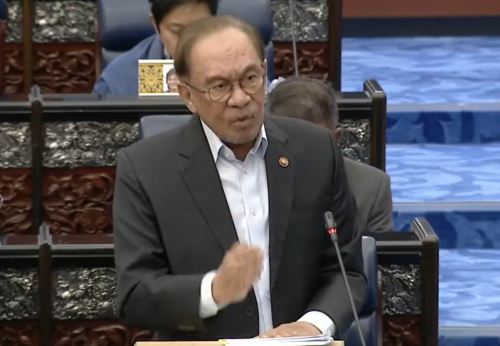
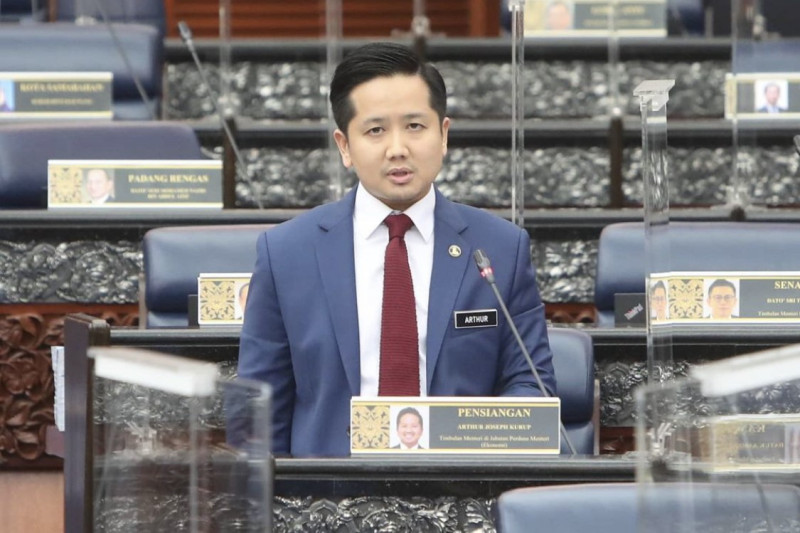
Natural Resources and Environmental Sustainability Minister Datuk Seri Arthur Joseph Kurup said the 16.1 million tonnes represented an inferred resource estimate rather than confirmed mineral reserves that could be economically mined.
He said the largest REE resources had been identified in Terengganu, Kelantan, Perak, Pahang and Kedah.
The Minerals and Geoscience Department (JMG) had conducted follow-up exploration studies under the 12th Malaysia Plan (12MP), focusing on ion-adsorption clay-type REE deposits, with an allocation of RM1.89 million to improve confidence in the estimates.
"These efforts will continue under Phase Two of the REE Resource Potential Assessment Project in the 13th Malaysia Plan (13MP), from 2026 to 2030, with an allocation of RM38.49 million covering assessment areas totalling 160 sq km across 10 states.
"RM9 million has been allocated this year to assess 30 sq km across six states, and the targeted assessment area had been fully achieved as of October," he said.
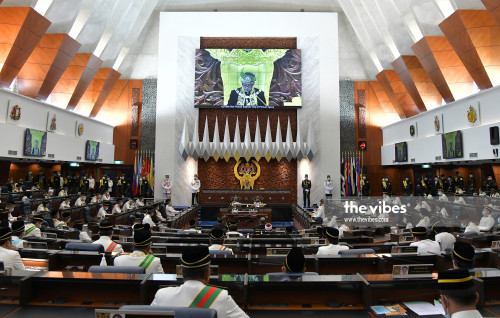
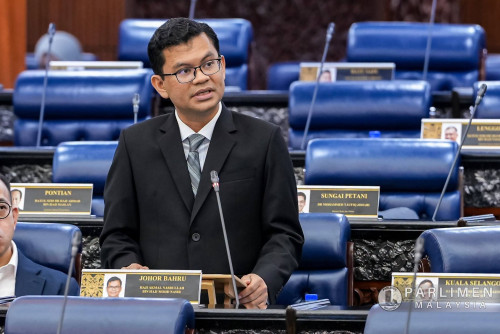
Arthur, who is also Pensiangan MP, was responding to questions from Salamiah Mohd Nor (PN-Temerloh) and Datuk Dr Ku Abd Rahman Ku Ismail (PN-Kubang Pasu) during the oral question-and-answer session in the Dewan Rakyat today.
Arthur said upstream REE development must progress alongside the midstream and downstream sectors to ensure Malaysia becomes more than just a raw material supplier, while building technological capabilities, expertise and higher-value-added products.
Among the initiatives was a strategic partnership between Malaco Mining Sdn Bhd and France's Carester SAS, formalised through a memorandum of understanding on July 4, 2025, to develop an REE separation plant in Perak with a proposed processing capacity of 13,000 tonnes annually.
Lynas Rare Earths Ltd also entered into a RM1 billion long-term partnership with South Korea's JS Link Inc on July 7 to develop a permanent magnet manufacturing plant in Kuantan, Pahang.
The project has a planned production capacity of 3,000 tonnes annually and could create up to 700 new jobs.
On mining methods, Arthur said in-situ leaching (ISL) was being used for the project in Mukim Kenering, Perak, allowing REE extraction without extensive excavation.
He said its implementation was subject to REE mining standard operating procedures, the Mineral Development Act 1994, the Environmental Quality Act 1974 and relevant state mineral laws.
JMG, the Department of Environment and state authorities were also conducting monitoring and enforcement, particularly concerning chemical use, surface and groundwater quality, effluent discharge and mining waste management.
"The government maintains its position of prohibiting REE mining in permanent forest reserves, environmentally sensitive areas and designated protected areas.
"The Forest Research Institute Malaysia (FRIM) is also conducting studies on the impact of REE mining on forest ecosystems to strengthen the scientific basis for environmental risk assessments and improve policies and regulatory mechanisms," he said. - November 25, 2026