
KUALA LUMPUR – The National Security Council Act 2017 (NSCA) violates fundamental liberties and the federal constitution, said the minority judges who presided over opposition leader Datuk Seri Anwar Ibrahim’s challenge against the constitutionality of the legislation.
Before coming to such a conclusion, Federal Court judges Datuk Harmindar Singh Dhaliwal and Datuk Vernon Ong first determined if NSCA is indeed a security law.
They pointed towards Section 18 of the Act – which allows the Agong to declare a particular place as a security area – which they find strikingly similar to the emergency proclamation provision under Article 150(1) of the federal constitution.
They are also concerned about the “special powers” of the National Security Council within security areas that allows controlling movement, taking possession of property, as well as wide powers of arrest, search and seizure.
“In the light of the foregoing, it is clear that NSCA is a security law containing sweeping powers that restrict fundamental liberties,” read the minority judgment.
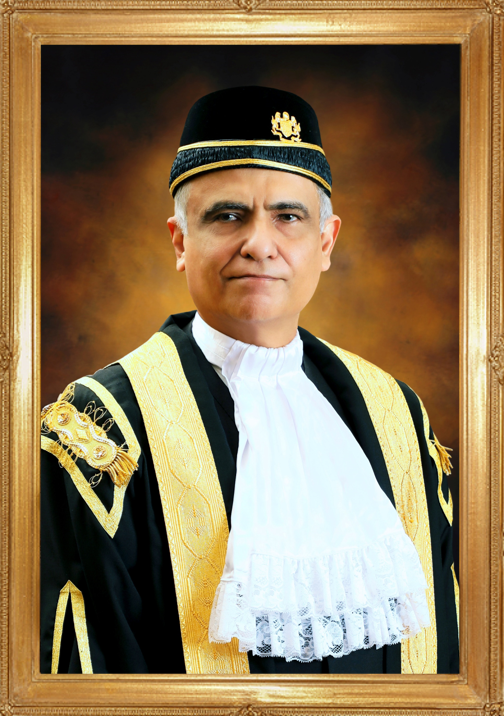
Next, Harmindar and Ong determined whether NSCA is a security law that must be enacted under Article 149 of the federal constitution.
This provision concerns the enacting of laws against “subversion, action prejudicial to public order, etc”. It provides that laws designed to prevent or stop certain types of subversive acts will be valid despite inconsistencies with fundamental liberties provided for in the federal constitution itself.
In simpler terms, a parliamentary law made under Article 149 can essentially violate certain constitutional fundamental liberties – particularly the right to personal liberty; freedom of movement, speech, assembly and association; and, the right to property.
NSCA, however, was not enacted under Article 149, but Article 77 – as with any other ordinary law.
To determine if Article 149 should have been the lawful method in which to enact NSCA, Harmindar and Ong made reference to the notorious repealed Internal Security Act (ISA), which was enacted under the constitutional provision.
“There are provisions in NSCA that are strikingly similar to ISA in character and substance,” read the minority judgment.
In particular, there are similar provisions on the power of declaration of a security area and powers relating to security area that include the power to arrest without warrant, impose a curfew, control movement, relocate persons and take possession of property, among other things.”
They further stated that when the Bill was proposed to Parliament, the minister-in-charge said while NSCA is a law on national security and public order, reference to Article 149 is not necessary, given it does not infringe fundamental liberties.
“It is clear that the minister’s statement that NSCA will not impinge on fundamental liberties is not an accurate representation of the true nature and character of NSCA.
“There are clear provisions in NSCA that contravene fundamental rights.”
NSCA should have come within the ambit of Article 149, they added.
As it was not enacted under that constitutional provision, the Act “ranks as an ordinary law”, which is inconsistent with federal constitution provisions related to fundamental liberties.
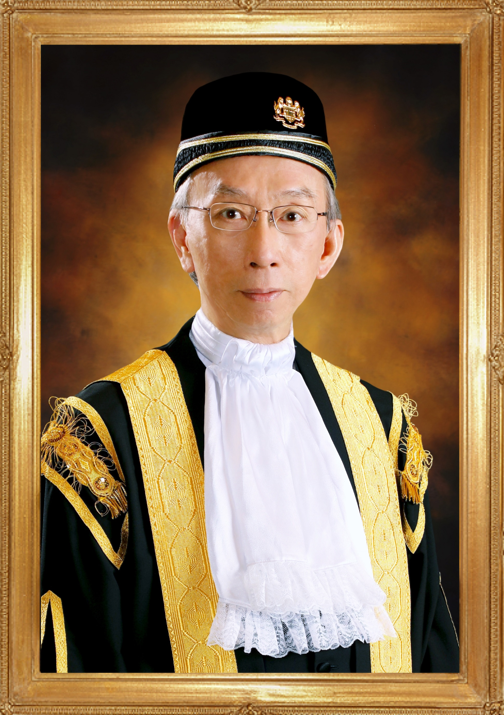
“NSCA is an Act that is clearly repugnant to the constitution. The choice is therefore between upholding NSCA or the constitution. Under our federal constitution, the choice is made plain – NSCA is void.”
In February last year, the Federal Court refused to answer Anwar’s constitutional questions concerning NSCA, as he failed to show that the legislation’s provisions had interfered with his personal life.
The opposition leader filed an application to review the decision, and received assent to have his case reheard in September.
On August 7, the apex court ruled that NSCA is a valid and constitutional law in a 5-2 majority decision.
The majority verdict was read by justice Datuk Zaleha Yusof. The other members of the bench who concurred with her were justices Datuk Mary Lim, Datuk Zabariah Mohd Yusof, Datuk Seri Hasnah Mohammed Hashim and Datuk Rhodzariah Bujang. – The Vibes, August 16, 2021