MALAYSIA could face additional US tariffs of up to 25% if Washington remains dissatisfied with its trade commitments and efforts to address concerns over industrial capacity and manufacturing policies.
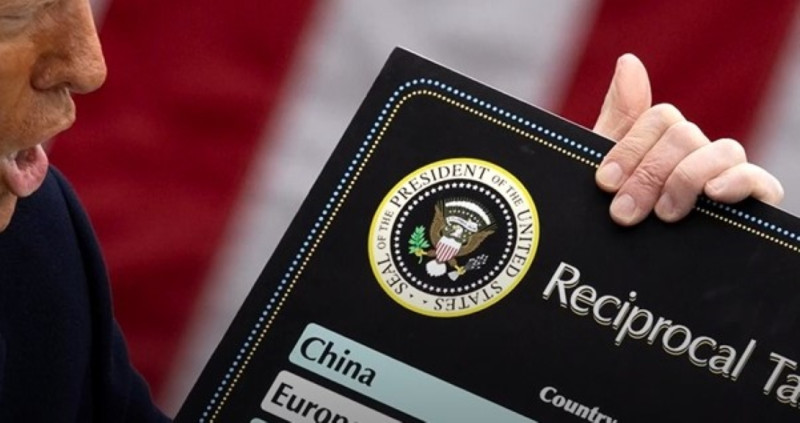
The US Trade Representative (USTR) has proposed additional tariffs of up to 18% on Malaysian imports under a Section 301 investigation, while signalling that the rate could rise to 25% if ongoing negotiations and commitments under the US-Malaysia Reciprocal Trade Agreement prove insufficient.
Malaysia is among 14 economies targeted in the investigation, which proposes tariff rates ranging from 15% to 35%. Others include China, Singapore, Indonesia, Thailand, Vietnam, Japan and the European Union.
In a statement on Wednesday, US Trade Representative Jamieson Greer said certain industrial strategies adopted by trading partners had created unfair competition for American manufacturers.
The USTR identified four areas of concern involving Malaysia: industrial and sectoral policies to expand manufacturing and exports, preferential financing through national programmes, insufficient measures to address excess capacity linked to imports and investments from non-market economies, and inadequate labour protections.
Information and communications technology (ICT) and automotive manufacturing were singled out as sectors of particular concern, with Washington arguing that Malaysia's policies could restrict commercial opportunities for US manufacturers and exporters.
The proposed 18% tariff would apply in addition to existing duties, where applicable, subject to exemptions for selected products. The calculation would take into account existing tariffs under Sections 301 and 232, ongoing bilateral negotiations and Malaysia's commitments under the reciprocal trade agreement.
The USTR acknowledged Malaysia's position that it operates a rules-based, market-driven economy and does not contribute to structural excess capacity.
Malaysia has maintained that its manufacturing ecosystem is important to global and US supply chains, arguing that its exports complement rather than compete with American domestic production.
The investigation began on March 11, with bilateral consultations between the USTR and the Malaysian government held on May 12. However, the discussions failed to resolve Washington's concerns.
Interested parties have until Jan 5, 2027, to submit written comments and requests to participate in a public hearing scheduled to begin on Jan 25 in Washington. - November 26, 2026