GLOBAL maritime trade is expected to record zero growth in 2026 as shipping disruptions and trade uncertainty linked to the Middle East conflict undermine the movement of goods, according to the United Nations Conference on Trade and Development (UNCTAD).
AFP reported that the projection marks a sharp slowdown from the 1.9 per cent growth recorded in 2025 and the 3.9 per cent expansion in 2024.
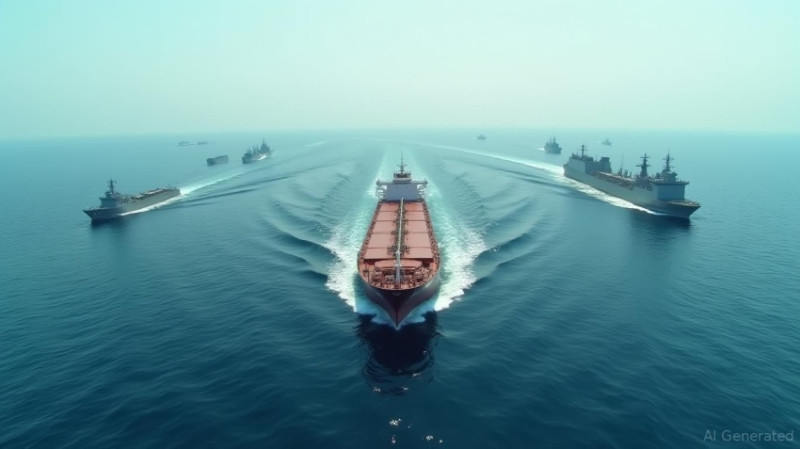
UNCTAD said continued disruption to shipping through the Strait of Hormuz, a critical passage for about one-fifth of global oil supplies and other strategic commodities, including fertilisers, had affected trade flows and triggered significant oil price volatility since late February.
Before the disruptions, about 120 vessels crossed the strait daily. However, vessel movements measured by gross tonnage fell by approximately 95 per cent by early March.
The expansion of the conflict into the Red Sea has also forced many vessels to take longer routes around the Cape of Good Hope, while grain shipments in the Black Sea and movements through the Panama Canal have faced further disruptions.
"Disruptions to major shipping routes and strategic chokepoints extend voyage times, increase operating costs and freight rate uncertainty, while adding pressure on supply chains, particularly in developing countries," the agency said.
UNCTAD said the use of alternative ports, land transport networks and new logistics solutions had helped sustain trade flows, but at higher costs.
Global seaborne trade reached 12.3 billion tonnes in 2025, representing 1.9 per cent growth compared with the previous year.
UNCTAD acting chief Pedro Manuel Moreno said the agency's simulations showed that if fuel price shocks of the current magnitude persisted into 2027, higher shipping costs alone could cause consumer prices in the least developed countries to rise by almost twice the global average.
"Resilience cannot rely solely on finding alternative routes every time a crisis occurs," Moreno told reporters in Geneva.
He called for a shift from crisis-driven responses towards better preparedness, stronger international cooperation, predictable regulations and investment to strengthen the global shipping fleet.
UNCTAD also urged governments and industry players to work together to improve resilience in shipping and port planning, operations and investment, while safeguarding maritime safety and seafarers. - November 28, 2026