World

S. Korea hikes interest rates for first time since pandemic

12th largest economy has kept it at record low of 0.5% since May last year

Updated 5 years ago · Published on

S. Korea hikes interest rates for first time since pandemic
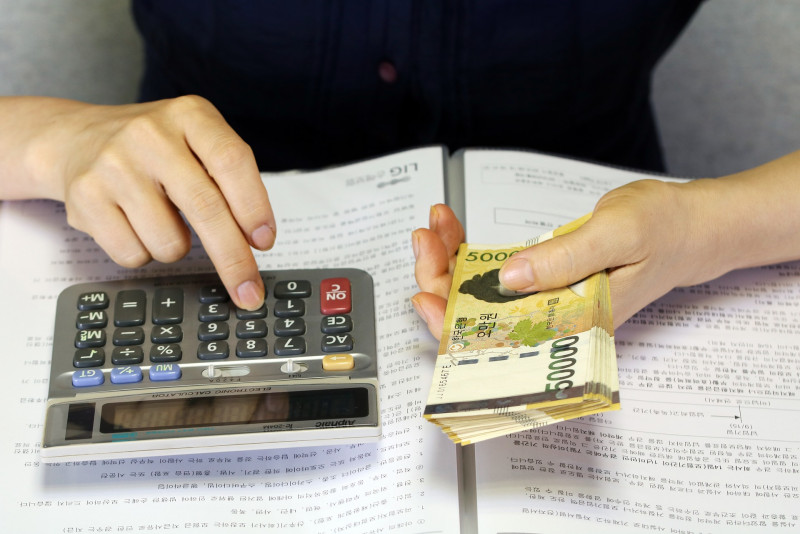
The Bank of Korea raised its key rate by 25 basis points to 0.75% after a policy meeting as the country tries to rein in growing household debt and a frenzied housing market. – Pixabay pic, August 26, 2021

SEOUL – South Korea’s central bank has raised their interest rates today, one of the first major economies to do so since borrowing costs were cut to record lows in the wake of the Covid-19 pandemic.

The Bank of Korea (BOK) raised its key rate by 25 basis points to 0.75% after a policy meeting as the country tries to rein in growing household debt and a frenzied housing market.

A few countries have begun to raise interest rates – Brazil, Russia, Chile and Mexico – and investors around the world are watching closely for when the United States Federal Reserve will start to taper its huge stimulus programmes.

South Korea, the world’s 12th largest economy, has kept its key rate at a record low of 0.5% since May last year.

The move was the first-rate rise since November 2018 and came as financial authorities grapple with surging household debt and an overheated housing market, which analysts warn can threaten economic stability.

South Korea’s household debt rose 41.2 trillion won (RM1.4 trillion) during the April to June period to a record high of 1,806 trillion won, roughly equivalent to the country’s GDP.

“Household loan growth has accelerated and housing prices have continued to increase rapidly in all parts of the country,” BOK said in a statement.

The country has continued “sound recovery”, it added, saying “exports have sustained their buoyancy and facilities investment has shown a robust trend”.

The central bank maintained its growth outlook at 4% for this year but raised its consumer inflation forecast to 2.1% from 1.8%, signalling a possible policy tightening.

The rate hike comes as South Korea sees its highest infection rates of the pandemic, albeit low by global standards, at around 1,000 to 2,000 cases a day.

The country had previously been held up as a model of how to combat the pandemic, with the public largely following social distancing and other rules, but it was slow to start its vaccine roll-out due to supply shortages. – AFP, August 26, 2021

Related News

Malaysia / 3w

Malaysia’s average household size falls to 3.8 people

Business / 6mth

BNM's international reserves at US$129.7b as of April 30, 2026

Malaysia / 7mth

Malaysia continues to shift towards RE, regional power integration - Amir Hamzah

Malaysia / 1y

ASEAN-South Korea partnership can drive inclusive growth, open markets - PM Anwar

Malaysia / 1y

Anwar wins prestigious Islamic finance award

Malaysia / 1y

Drugs worth over RM82m to be smuggled into South Korea, Japan seized in Kajang

Spotlight

Malaysia

Durian trader in Raub loses nearly half a million in AI-based investment

Malaysia

GPS banks on fresh faces, retains Abang Johari and key incumbents for Sarawak polls

Malaysia

Anwar yet to accept Anthony Loke's resignation, says DAP chief remains on leave

Business

MAG to add 10 Boeing Dreamliners in long-term fleet expansion drive

Malaysia

Court imposes gag order in case against AKPS chief Mohd Shuhaily

Malaysia

Cyber scam losses hit estimated RM19.7b in a year

Malaysia

Govt approves RM451m for projects in 66 opposition-held constituencies

By Alfian Z.M. Tahir

You may be interested

World

Myanmar records world's highest landmine casualties for third consecutive year

World

Trump backs Jensen Huang's return as Nvidia CEO amid national security scrutiny

World

US weighs new tariffs on 16 trading partners, Malaysia faces 19% rate cap

World

Hong Kong fire survivors struggle with grief, unanswered questions one year after deadly inferno

World

US attorney-general declines to confirm whether Nvidia CEO was investigated