SYDNEY – Almost 70% of the United States population lives in a local law enforcement jurisdiction that is equipped with military-grade weapons. At least 200 operations are deployed by the police each day with these items.
The increased use of military equipment by law enforcement agencies is not confined to the US. As terrorist threats escalated, many European countries deployed military equipment to protect potential terrorist targets.
In the developing world, the police have been heavily militarised for many years, and in some cases, the army is directly used to fight crime.
The main reason for the militarisation of the US police is the LESO/1033 Program. As the US started withdrawing from the Afghan and Iraqi wars, vast quantities of military equipment, no longer needed by the army, returned to the US.
Under Program 1033, police departments across the US could receive these items. The value of the military items distributed by Program 1033 increased dramatically reaching a peak of US$600 million (RM2.78 billion) in 2014.
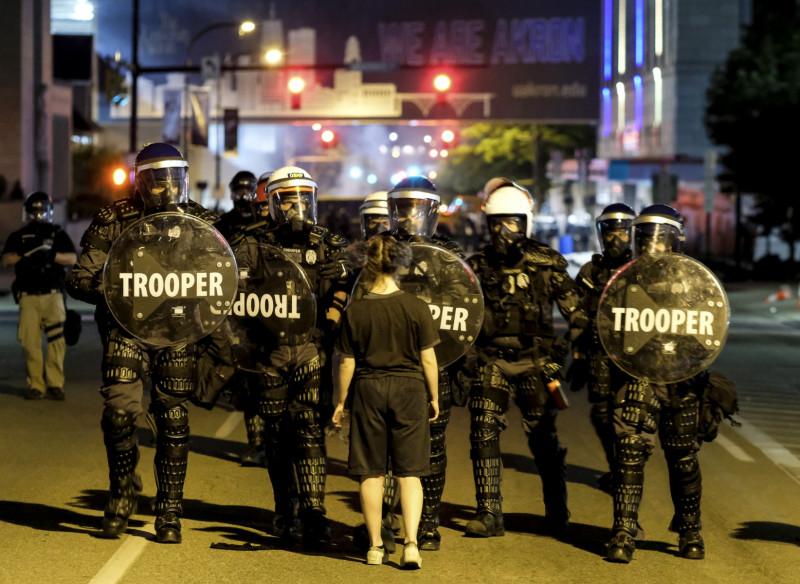
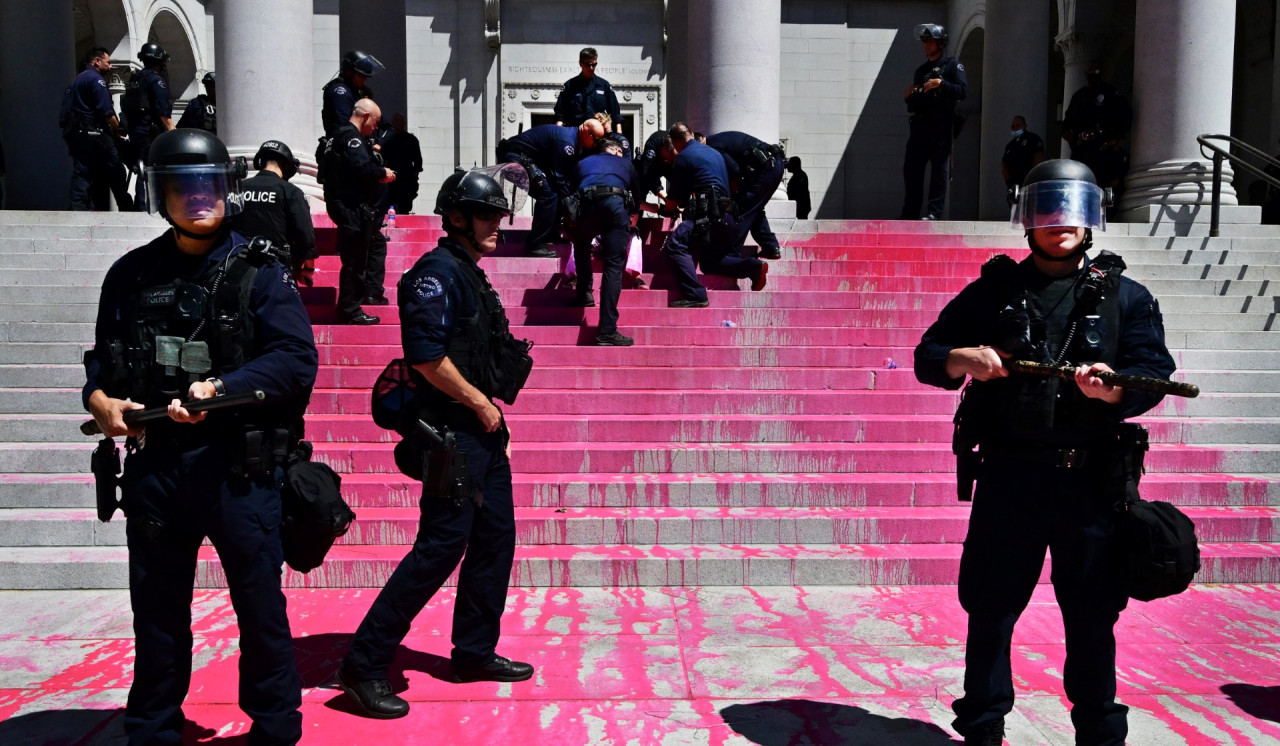
In America, police militarisation became a topic of debate following the use of this military equipment by police during Ferguson’s infamous riots.
Then-president Barack Obama signed an executive order in 2015 restricting the use of military equipment by the police. But the killings in July 2016 of four officers in Dallas and three in Baton Rouge, brought scrutiny to police militarisation again.
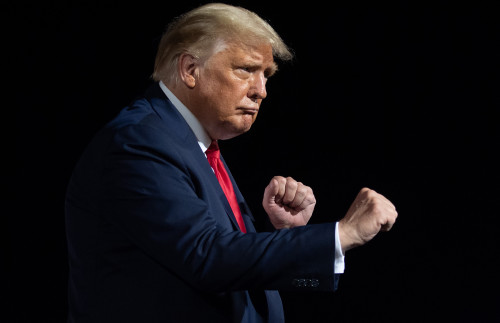
In August 2017, then-president Donald Trump issued an executive order reversing the Obama-era restrictions, stating that the US faced the “threat of rising crime”.
On one side of this argument are US police departments, sheriff's offices and pro-police movements that defend police militarisation as a needed tool for effective and safe law enforcement.
On the other side of the debate are civil liberties and activist groups who see police militarisation as a violation of constitutional rights and fear that it will increase police brutality.
Criminal activities displaced to other areas
Research shows that equipping police with military equipment can combat crime. Taking the United States as an example, data shows that in regions with militarised police, street-level crime and violent crimes have gone down.
But there is a flip side.
Part of this crime reduction effect is through the displacement of criminal activity to neighbouring areas. And it is these displacement effects that have important implications for optimising the militarisation of each police department.
When US police departments decide on their preferred level of militarisation, they are not required to take into account the level of militarisation in neighbouring areas. Because of this, US police departments become over-militarised.
Any policy wishing to deal successfully with the over-militarisation of the police will have to take into account geographical spillovers in crime.
Recent research has focused on the effects of militarisation beyond crime. Results coming from this research are much less optimistic about the viability of police militarisation.
First, militarisation increases killings by the police and reduces police safety. Militarisation also has a fragmenting effect on society, especially along race lines and increases the likelihood of protests.
Militarisation by increasing the number of aggressive and dangerous operations by police can also create a cascade reaction from criminals making them more hostile and violent.
Collateral costs of killings by police
Policymakers need to take into account these violent consequences for the safety of both communities and law enforcement agents. Most importantly, the effects that militarisation can have on police killings are very worrying.
Even if the militarisation of the police was intended only to be used for emergencies such as hostage or active shooter scenarios, in most cases, it ends up being used in the “war on drugs” to search people’s homes for illicit substances.
Militarised US police units are also more often deployed in communities with a large share of black citizens.
Beyond the direct and tragic cost of lives lost, many other collateral costs stem from killings by the police.
For example, policing as an institution may lose citizens' trust, and these traumatic events can generate large societal costs, including years of lost schooling and income.
Because of all these, militarisation must be used parsimoniously and only in situations where its benefits outweigh the many costs. – The Vibes, October 2, 2022
Federico Masera is a senior lecturer in economics at the University of New South Wales, Sydney.
Published under Creative Commons and in partnership with 360info.org