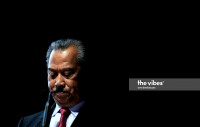
WASHINGTON – TikTok CEO Chew Shou Zi faced relentless questioning from combative US lawmakers on both sides of the political aisle yesterday over the video-sharing app’s alleged ties to China and its danger to teens.
The 40-year-old Singaporean suffered unusually intense grilling by both Republicans and Democrats who fear that Beijing could subvert the site for spying, data harvesting and advancing a Chinese Communist Party agenda.
When mistaken as a Chinese national by a US lawmaker, Shou Zi Chew retorted by saying that he is Singaporean. pic.twitter.com/5weY0PxsHJ
— TheVibes.com (@thevibesnews) March 24, 2023
The Harvard-educated former banker failed over more than five grueling hours to defuse an existential threat to TikTok as the app seeks to survive a White House ultimatum that it either split from its Chinese ownership or be banned in the United States.
Lawmakers from the House Energy and Commerce Committee afforded Chew no respite, frequently denying him opportunities to expand on his answers or tout the site’s huge global popularity with young people.
“ByteDance is not owned or controlled by the Chinese government and is a private company,” Chew told lawmakers in his opening remarks, referring to TikTok’s China-based parent company.
“We believe what’s needed are clear transparent rules that apply broadly to all tech companies – ownership is not at the core of addressing these concerns,” Chew added.
A ban would be an unprecedented act on a media company by the US government, cutting off the country’s 150 million monthly users from an app that has become a cultural powerhouse – especially for young people.
“TikTok has repeatedly chosen the path for more control, more surveillance and more manipulation. Your platform should be banned,” committee chair Cathy McMorris Rodgers said.
In one particularly heated exchange, Chew was forced to acknowledge that some personal data of Americans was still subject to Chinese law, but insisted that would soon be changed.
The US representatives also confronted Chew with dire examples of young users promoting suicide or dangerous stunts that have proved fatal and angered authorities globally.
“Your technology is literally leading to death,” said Congressman Gus Bilirakis as he pointed to a family in the audience whose son was killed in a train tragedy that his family says was linked to his TikTok use.
Warning from Beijing
Ahead of the hearing, the commerce ministry in Beijing said it would “firmly oppose” a forced sale, underlining that any deal or spin-off of TikTok would require approval by Chinese authorities.
“Forcing the sale of TikTok...will seriously undermine the confidence of investors from various countries, including China, to invest in the US,” added spokesperson Shu Jueting.
TikTok is under the gun of several pieces of legislation – including one bill backed by the White House that already paves the way for a ban – and has united lawmakers across the political divide.
“Mister Chew, welcome to the most bipartisan committee in congress. We may not always agree on how to get there, but we care about our national security, we care about our economy, and we sure as heck care about our children,” said congressman Buddy Carter, a Republican.
Supporters of TikTok and free speech activists criticised the hearing as political theater and urged against an outright ban.
“Taking a bludgeon to TikTok, and by extension to Americans’ First Amendment protections, is not the right solution to the risks that TikTok poses to the privacy of Americans and to the national security of the United States,” said Nadine Farid Johnson of PEN America, which defends free speech.
TikTok still hopes to appease the authorities.
Chew’s testimony promoted the company’s elaborate plan – known as Project Texas – to satisfy national security concerns, under which the handling of US data will be ring-fenced into a US-run division.
But lawmakers poured doubts on the project, saying it would do nothing to remove their concerns that TikTok was vulnerable to China.
“Please rename your project. Texas is not the appropriate name. We stand for freedom and transparency and we don’t want your project.” said August Pfluger, a Republican from Texas. – AFP, March 24, 2023