NON-COMMUNICABLE diseases (NCDs) cost Malaysia an estimated RM64.2 billion in economic losses and healthcare expenditure in 2021, while claiming up to 96,000 lives annually, says Health Minister Datuk Seri Dr Dzulkefly Ahmad.
He said NCDs, including cardiovascular diseases, cancer, diabetes and chronic respiratory illnesses, accounted for 70% of all deaths in the country, making them a major public health and economic challenge.
Of the RM64.2 billion economic burden, RM12.4 billion involved direct costs at Health Ministry facilities, while another RM51 billion to RM52 billion stemmed from productivity losses caused by absenteeism and premature deaths.
The estimate was based on the World Health Organisation's (WHO) latest Malaysia NCD investment case report.
Dr Dzulkefly said the annual NCD death toll of between 93,000 and 96,000 was significantly higher than the approximately 37,000 Covid-19 deaths recorded over two years.
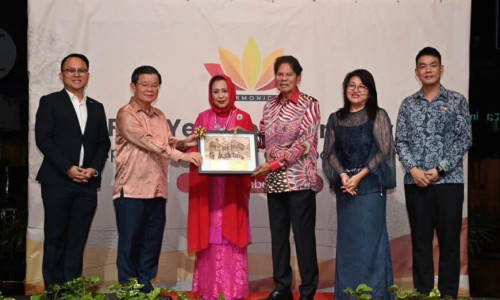
He was speaking at the launch of the 2026 Malaysia Non-Communicable Diseases Conference (NCDM) at Taylor's University here today.
He said the burden was further compounded by diabetes-related kidney failure, with about 55,000 patients currently undergoing haemodialysis or peritoneal dialysis at Health Ministry facilities.
An average of 10,000 new cases are recorded annually, involving costs of RM4.4 billion.
The situation was also worsening amid an ageing population and the high prevalence of obesity.
"The National Health and Morbidity Survey (NHMS) 2023 found that 54.4% of adults in the country were overweight or obese, increasing their risk of diabetes, cardiovascular diseases, stroke and certain cancers," he said.
To address the growing crisis, the ministry was strengthening health promotion through initiatives such as Sihat Itu Saya, community interventions, wellness hubs and campaigns targeting the '5S' factors: cigarette smoke, sugar, salt, stigma and sedentary lifestyles.
He said behavioural insights and nudging strategies were also being used to encourage Malaysians to make healthier choices by making them more appealing, accessible and affordable without compromising taste or freedom of choice.
These efforts included the launch of the second volume of the MyKurang recipe book, featuring 35 new recipes alongside the 30 published in its first volume.
The recipes, developed with industry and catering partners, offer healthier versions of popular local dishes.
The book has also been incorporated into workplace health programmes, including the Penjawat Awam Sihat Sejahtera (IPASS) initiative for the public sector and the Integrated Workplace Health Programme (IWHP) for the private sector.
Dr Dzulkefly said long-term treatment and care were also being strengthened through the Integrated Multidisciplinary Obesity Management (MiMO) service, which operates at 33 health clinics and 40 Health Ministry hospitals nationwide.
A five-year collaboration involving 16 strategic partners was also formalised through the exchange of memorandums of understanding, covering health promotion, screening, access to treatment, training and capacity building, digital support and technical consultation. - November 28, 2026