THE measure of a public housing programme should not be limited to the facilities it delivers or the assistance it provides, but whether residents are given a meaningful say in shaping their own communities.
That was the thinking behind the Kita-untuk-Kita (K2K) initiative, an approach Nurul Izzah Anwar championed during her time at the Finance Ministry.
It has since shown high social returns on investment and has also involved several social empowerment programs.
The K2K program has reached more than 30,000 residents across 10 public housing areas since its launch in 2023.
Think City identified Nurul Izzah as the initiative’s main supporter, describing its central aim as changing the way public housing communities are viewed — from dependants and recipients of subsidies to empowered citizens with the agency to build a better future for themselves, their families and their communities.
The distinction is important. K2K was not conceived simply as a programme to improve the physical condition of public housing projects, but as an effort to put residents in a stronger position to influence decisions, take ownership of shared spaces and address problems collectively.
That philosophy is reflected in Nurul Izzah’s foreword to Think City’s 2026 publication, From Roof to Resilience: A Social Assessment of Malaysia’s Public Housing.
“How do our policies restore dignity, expand agency and enable mobility?” she asks, pointing to the need for public policy to do more than provide immediate support.
She describes K2K as an example of how policy can be shaped “not just for people — but with them”, placing residents’ participation and lived experiences at the centre of public housing reform.
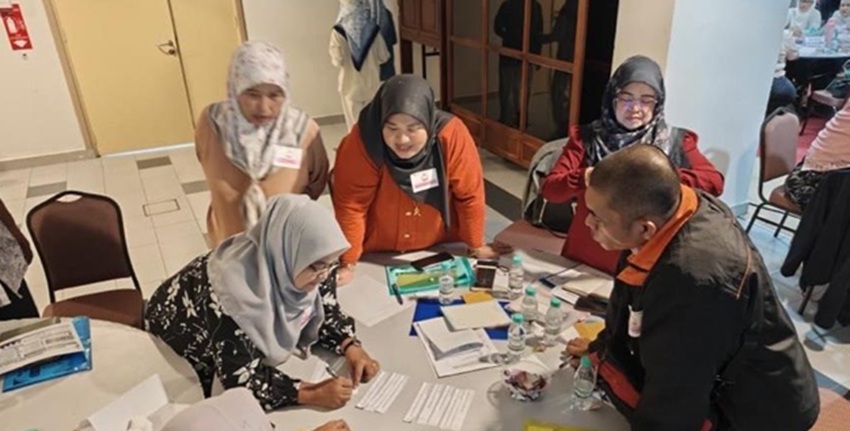
One of its key features is the establishment of 10 Community Forums, known as FORKOM, supported by 205 floor-level communities.
These structures give residents a platform to identify common concerns, organise responses and engage housing management bodies and government agencies.
Think City’s Programme Director for K2K, Dr Shahridan Faiez, said the experience of FORKOM had demonstrated the need for social infrastructure in every public housing community to organise residents and mobilise collective action to address everyday problems.
He said the forums could serve as grassroots partners to the Government, helping move public housing beyond the management of buildings towards a broader approach of place management.
“We need to move beyond managing physical assets to managing social outcomes,” he said, arguing that public housing should fulfil its original purpose as a platform for social mobility for the urban poor.
The aim is to move beyond individual complaints towards collective action, allowing residents to have a more organised role in decisions affecting their neighbourhoods.
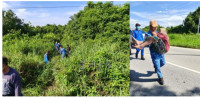
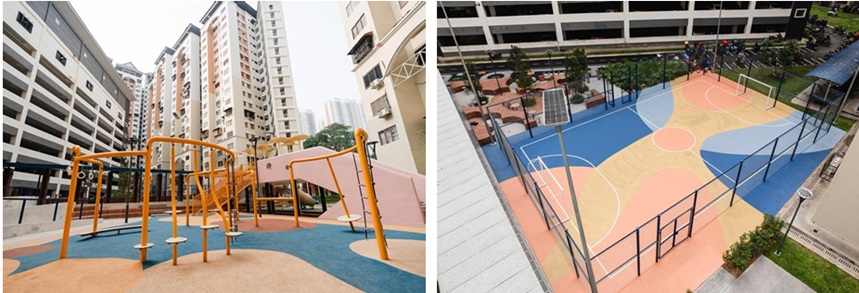
The same principle informed improvements to communal facilities under K2K’s Physical Improvement Plan.
Rather than simply delivering upgrades, residents were involved in identifying problems, reviewing designs and deciding which improvements should take priority.
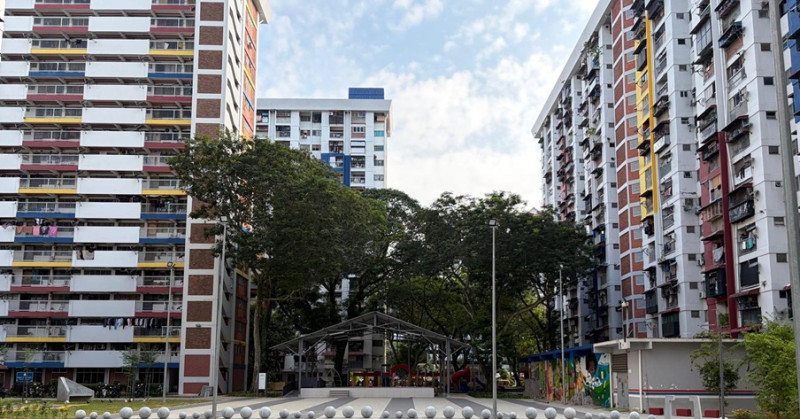
The plan covered 8,952 sq m of communal areas at PA Seri Kota, PA Seri Selangor and PPR Desa Tun Razak, including recreational facilities, sports courts and shared spaces.
Works at PA Seri Kota and PA Seri Selangor have been completed and handed over.
At PPR Desa Tun Razak, progress stood at 98.2% in Think City’s October 2026 update, with a pipe leak beneath a sepak takraw court among the remaining issues.
Even spaces often overlooked in the design of public housing were given a new purpose.
Lift lobbies were repurposed as communal areas for Quran classes, birthday celebrations, engagement ceremonies and other neighbourhood gatherings.
The changes were intended not only to make better use of existing space, but to encourage interaction and give residents a shared stake in maintaining the facilities.
K2K also invested in developing leadership within the communities, with 745 youths receiving leadership training and 1,825 participating in K2K Juara.
A further 591 women took part in leadership activities, while 423 joined the KELIP initiative.
More than 200 community leaders received support, and the programme facilitated over 100 dialogues between residents and government agencies.
These efforts were aimed at building the confidence and capacity needed for residents to organise initiatives, represent their communities and engage public institutions — roles that are central to the programme’s emphasis on agency.
For one of K2K programs, the Projek Kebersihan dan Keceriaan, an independent evaluation by PE Research estimated that the Projek’s social returns on investment were 7.5 to 1, with RM10.8 million in benefits against RM1.485 million in measured investment inputs.
The evaluation also recorded 100% floor participation and 71,705 volunteer hours mobilised through the Keceriaan initiative alone.
Of particular significance, residents’ willingness to maintain improved spaces and their continued use of communal areas were identified as the biggest contributors to the social value generated.
The finding points to a key aspect of the K2K approach: the value of an improvement is not determined by the investment alone, but also by whether the community uses it, looks after it and has a role in sustaining it.
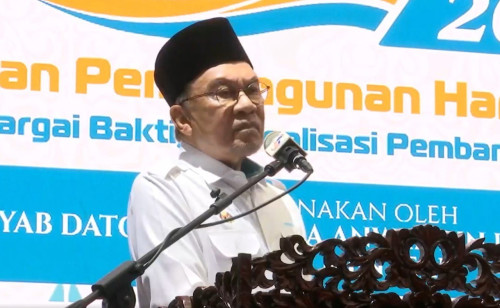
Implemented by Think City with an RM27 million allocation from the Finance Ministry, K2K was launched by Prime Minister Datuk Seri Anwar Ibrahim in April 2023 as a pilot initiative to improve the liveability of public housing communities.
Its approach extends beyond upgrading buildings and communal facilities. The programme aims to strengthen neighbourhood ties, develop local leadership and give residents a more organised voice in decisions affecting their living environment.
The programme’s community structures and achievements were highlighted at the third Annual General Assembly of FORKOM recently.
Nurul Izzah, representing Suluh Centre, the advocacy organisation she heads, was invited to deliver the opening address at the assembly.
As K2K reaches the end of its programme period, the question is whether the networks, leadership and sense of shared responsibility it helped establish can continue without the same level of programme support.
Its longer-term significance may lie less in the number of facilities upgraded or activities conducted than in whether residents are able to keep organising, making decisions and shaping their neighbourhoods.
K2K runs for 42 months, from June 2023 to December 2026, with the experience intended to generate lessons for future public housing policy.
As the programme approaches its conclusion, the test will be whether the community structures and leadership networks it has established can endure beyond the funding period, and whether the approach can be extended to other public housing communities. - November 29, 2026