AS the digital world becomes an integral part of childhood, Malaysia raises the minimum age for social media use to 16 in a bid to safeguard young users from exploitation, cybercrime, and online harms, while also prompting debate over children’s rights in an increasingly connected society.
Social media platforms including TikTok, X, YouTube and WhatsApp have emerged as primary spaces for children and teenagers to play, learn, gather information, and interact socially.
Bernama, on the matter, reported today that children as young as four are now engaging with global events, expressing opinions on issues such as Palestine and Israel, and recognising public figures like Donald Trump—all through social media.
Yet alongside these opportunities lies a host of hidden dangers, ranging from cyberbullying and online sexual exploitation to exposure to inappropriate content and addictive behaviours.
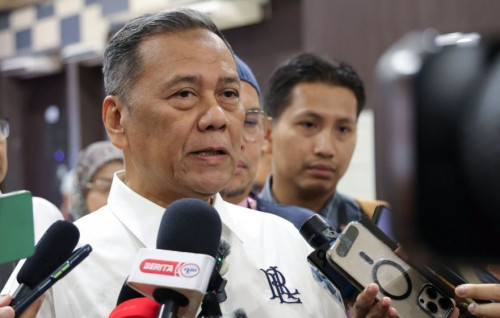
Communications Minister Datuk Fahmi Fadzil emphasised that the proposed minimum age of 16 is intended to protect children and adolescents from these digital hazards.
Malaysia is also planning to introduce digital user identity verification (eKYC) for all platforms by the second quarter of 2026 to ensure compliance, following Australia’s global precedent of restricting social media access for under-16s.
Malaysian Cyber Consumer Association deputy president Azrul Zafri Azmi highlighted the dual role of social media as both a space for learning and personal development, and a platform rife with risks. “Children today are facing algorithms they do not understand.
They can be contacted by unknown adults, emotionally manipulated, influenced by extremist content or targeted by cyber predators without even realising it,” he said, noting that the current minimum age of 13 is often bypassed easily by altering birth dates.
He stressed that age limits alone are insufficient and must be accompanied by education in digital literacy.
“We cannot just prohibit without educating. Children must be equipped with an understanding of online risks, how to protect themselves, recognise digital manipulation and use social media ethically and responsibly.
“Parents play a crucial role as the first line of defence in their children’s digital safety,” he said, cautioning that without societal understanding, any new age restriction could be largely symbolic.
Associate Professor Dr Masitah Ahmad of Universiti Teknologi MARA (UiTM) warned that overly rigid measures might impede adolescents’ social development.
“Teenagers under 16 are in a critical phase of identity and self-esteem development. Excessive exposure to public judgment, negative comments and popularity pressure can leave long-term psychological effects.
However, a blanket ban also risks excluding adolescents from communication spaces that have become primary platforms for learning and interaction,” she said.
She advocated for a phased approach including screen-time limits, age-appropriate content filtering, and enhanced parental controls rather than a total prohibition.
Legal practitioner Muhammad Hafiz Hood highlighted potential privacy and legal challenges. “The key question is how age verification will be implemented.
“If it involves collecting sensitive data such as identity card numbers or biometric information, there is concern over potential breaches and misuse. Any mechanism must comply with the Personal Data Protection Act 2010,” he said, adding that legal responsibilities must be clearly defined if children under 16 circumvent restrictions.
Experts agree that effective regulation must balance protection, education, enforcement, and respect for fundamental rights.
“In a constantly evolving digital world, the real challenge is not merely keeping children away from social media, but preparing them to navigate it safely, ethically and responsibly,” Muhammad Hafiz said. - December 18, 2025