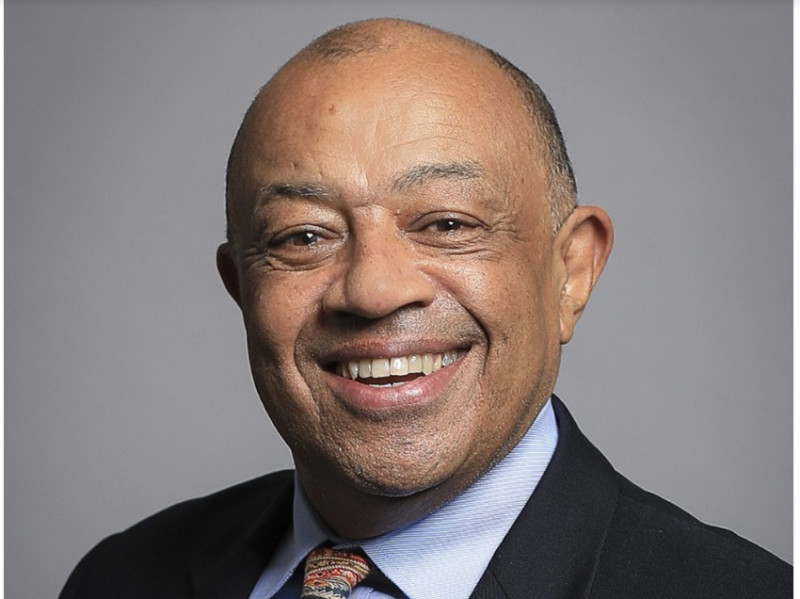
BRITISH peer Lord Paul Boateng has demanded that the British Museum return African artefacts taken during colonial rule, accusing the institution of failing to translate its discussions on reparative justice into meaningful action.
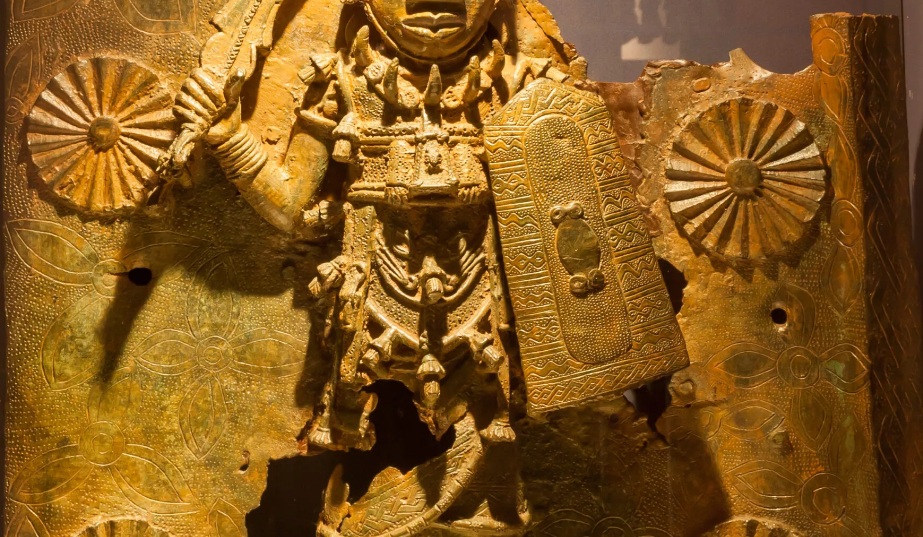
Describing the museum as “the largest depository of stolen goods known to man”, Boateng singled out Ethiopia’s sacred Tabots, the Benin Bronzes and Asante royal gold as objects that should be returned to their countries of origin.
“The British Museum is the largest depository of stolen goods known to man,” he told an audience at Chatham House.
He went on to describe the institution as “a charnel house” of human remains and sacred objects taken from indigenous communities around the world.
“Literally, quite literally, a charnel house of bones and of relics that are sacred to our indigenous people globally,” he said.
Boateng, a former British Treasury minister, was speaking at a discussion titled Reckoning or rhetoric: Is now the time for reparative justice on the global stage? organised by Chatham House’s Equality, Diversity and Inclusion Working Group to mark Black History Month.
He accused the museum of engaging with restitution demands only after sustained pressure, without delivering on its commitments.
“Where they have been dragged, kicking and screaming, to the table, they have talked, but they have not delivered,” he said.
Setting out his demands, Boateng called for the Ethiopian Tabots to be returned in 2027, followed by the Benin Bronzes within the next few years.
He was particularly critical of the arrangement involving Asante royal gold, insisting that lending the objects back to Ghana was not an acceptable substitute for restitution.
“I want it not to be lent back,” he said.
Referring to the gold taken from the Asante Kingdom, he contrasted its removal with the circumstances surrounding the Parthenon sculptures taken from Greece by Lord Elgin.
“Ashanti was looted,” he said.
“And they have the gall to loan back to the king of the Ashanti the stuff they stole in the first place.”
Boateng also called on the British Museum’s trustees to take a more active role in addressing the institution’s colonial legacy, saying they should participate in reparative justice efforts alongside organisations such as the Church of England.
He described the return of the three collections as immediate objectives, ending his remarks with Bob Marley’s words: “Emancipate yourselves from mental slavery.”
The dispute over the Ethiopian Tabots dates back to the British military expedition to Maqdala in 1868, when British forces seized religious and royal treasures from Ethiopia.
The British Museum holds 11 Tabots, sacred altar tablets central to the Ethiopian Orthodox Church.
A 2021 briefing by law firm Leigh Day said nine were taken by British forces following the Battle of Maqdala. None is displayed publicly.
The Benin Bronzes were taken during the British invasion of the Kingdom of Benin in 1897, in present-day Nigeria.
The British Museum holds more than 900 objects associated with the kingdom, according to National Geographic.
The museum faces legal restrictions on disposing of objects in its collection under the British Museum Act.
However, other British institutions have moved towards restitution.
The Horniman Museum in London announced in 2022 that it would transfer ownership of 72 Benin Bronzes to Nigeria.
In Ghana, the British Museum and the Victoria and Albert Museum agreed in 2024 to lend 32 pieces of Asante royal gold regalia to the Manhyia Palace Museum in Kumasi.
The arrangement covered 15 objects from the British Museum and 17 from the V&A, following nine months of negotiations with advisers to the Asantehene. Ownership, however, remained with the British institutions.
In March 2026, the United Nations General Assembly adopted a Ghana-led resolution declaring the trafficking of enslaved Africans and racialised chattel enslavement of Africans the “gravest crime against humanity”.
The resolution was adopted with 123 votes in favour, three against and 52 abstentions. Argentina, Israel and the United States voted against it, while Britain abstained. – November 28, 2026