RIYADH – An Indian family of five burst into tears of joy after being chosen for this weekend’s downsized haj pilgrimage in Saudi Arabia, but hundreds of thousands of rejected applicants were left disappointed.
Up to 60,000 Muslims residing in the kingdom are allowed to take part in this year’s haj, evoking the envy and awe of millions of international pilgrims barred for the second year due to the coronavirus pandemic.
Through an online vetting system, they were chosen from more than 558,000 applicants – all citizens or residents in Saudi Arabia.
The annual ritual is a central pillar of Islam and a must for able-bodied Muslims at least once in their lifetime.
Among the chosen ones was Ameen, a 58-year-old Indian oil contractor based in the eastern city of Dammam, who was picked for the ritual along with his wife and three adult children.
“We are overjoyed,” Ameen, who gave only his first name, told AFP.
“So many of our friends and relatives were rejected.”
The five-day pilgrimage, which starts today, is confined to residents of the kingdom who have been fully vaccinated and aged 18 to 65 with no chronic illnesses, said the Haj Ministry.
The chosen pilgrims come from 150 countries, with preference given to those performing the ritual for the first time, it added.
“I feel like I won the lottery,” said Egyptian pharmacist Mohammed El Eter, 31, after being selected.
“This is a special, unforgettable moment in one’s life. I thank God for granting me this chance, to be accepted among a lot of people who applied.”
‘Profoundly saddened’
The Haj Ministry also received anguished queries on Twitter from rejected applicants about the tightly controlled government lottery.
“We are still anxiously waiting to be accepted, as though we’re facing an exam,” said one user.
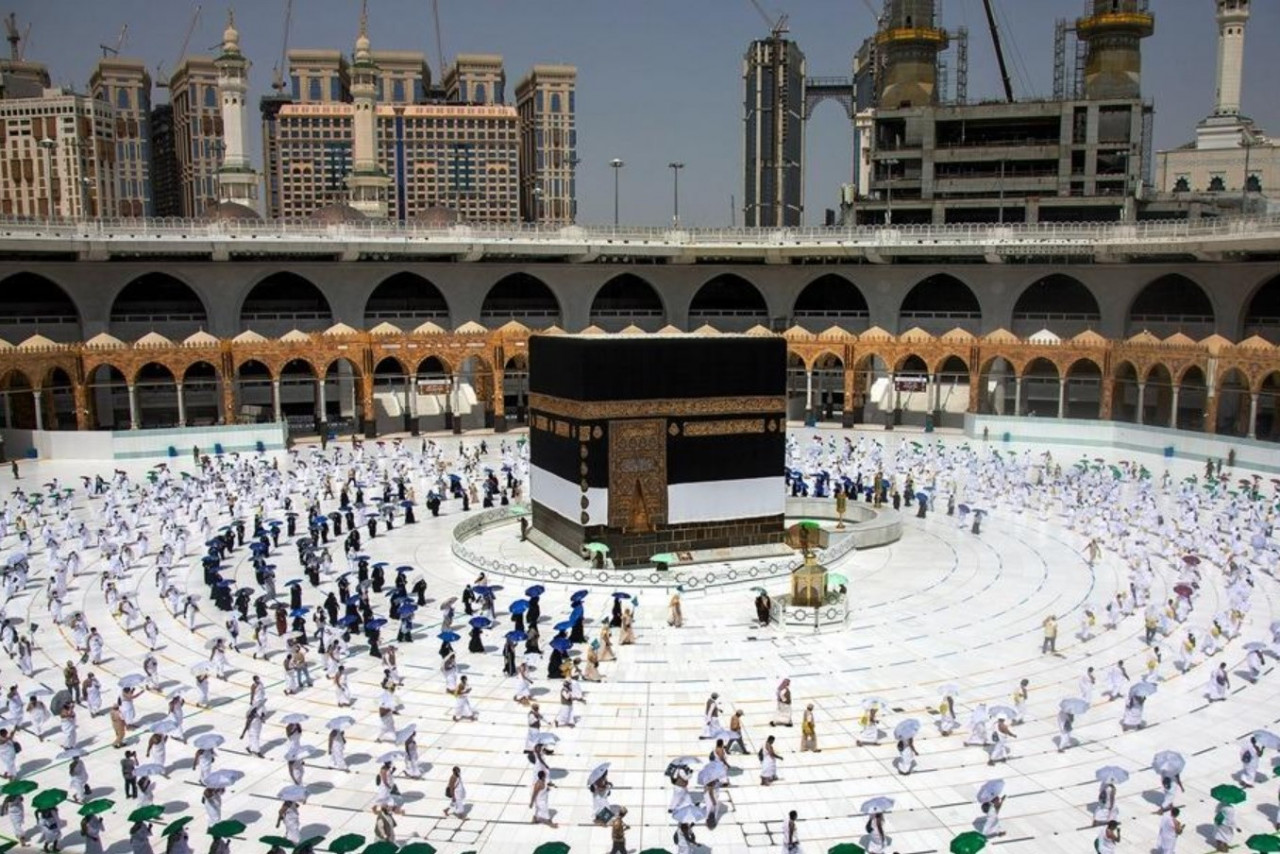
All Muslims are expected to complete the trip to the holy city of Mecca at least once in their lives if they have the means to do so.
Believers converge on the city for several days of rituals in which they retrace Prophet Muhammad’s last pilgrimage.
In a hugely sensitive decision last year, Saudi authorities hosted the smallest haj in modern history to prevent it from becoming a super-spreader event for Covid-19.
Authorities initially said only 1,000 pilgrims would be allowed last year, but local media said up to 10,000 took part.
Though a higher number of pilgrims were chosen this time around, the figure is still a far cry from the 2.5 million who participated in 2019 from around the world.
“I am profoundly saddened,” said Pakistani clothes merchant Zafar Ullah, 64, after Saudi Arabia announced that it will bar international pilgrims.
“I also wanted to go for the haj last year. I was desperately hoping to make it this year, and even got myself vaccinated along with my wife.”
‘Move closer to God’
Even among the chosen pilgrims, some complained of the high cost of the ritual. Government haj packages start at around 12,100 riyals (RM13,580), excluding a value-added tax.
Last year, worshippers said the Saudi government covered the expenses of all pilgrims, providing them with meals, hotel accommodation and healthcare.
Despite the cost, applicants said to be among the chosen ones adds an aura of religious prestige to the pilgrimage.
Amid the pandemic, many pilgrims consider it safer to participate in a smaller ritual without the usual colossal crowds cramming into tiny religious sites, creating a logistical nightmare and health hazard.
Even in a regular year, the haj leaves pilgrims exposed to a host of viral illnesses.
“My feelings cannot be described,” said Rania Azraq, a 38-year-old Syrian housewife here who will attend the haj without a male guardian, once mandatory for female pilgrims.
“You just want to cry... and move closer to (God).” – AFP, July 17, 2021