World

Mysterious ‘Havana’ syndrome imperils US diplomats

Dozens of health cases convince officials they are under sustained attack using electronic weapons

Updated 5 years ago · Published on

Mysterious ‘Havana’ syndrome imperils US diplomats
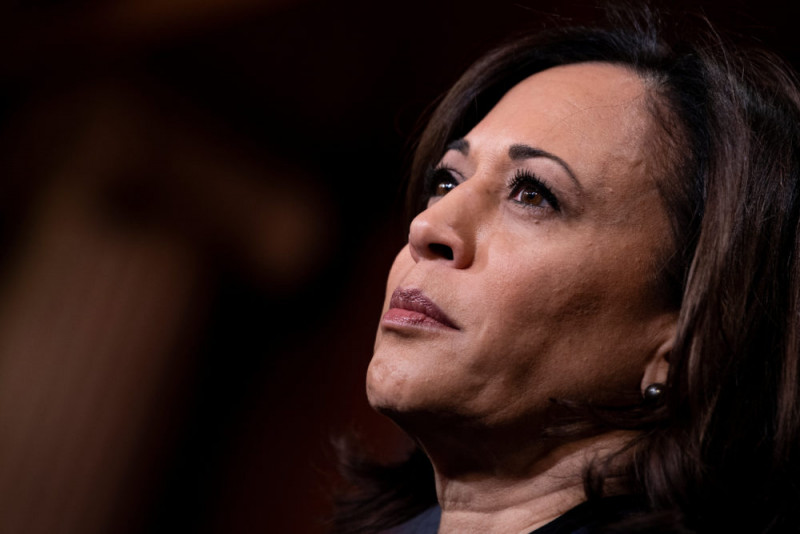
United States Vice-President Kamala Harris has delayed a trip to Vietnam after the US embassy in Hanoi reported a possible case involving ‘acoustic incidents’ there, raising concern she could be a target. – AFP pic, August 26, 2021

WASHINGTON – A mysterious affliction dubbed “Havana Syndrome” that has brought severe headaches, nausea, and possible brain damage to United States diplomats has many officials convinced they are under sustained attack using electronic weapons.

On Tuesday, US Vice-President Kamala Harris delayed for several hours a trip to Vietnam after the US embassy in Hanoi reported a possible case involving “acoustic incidents” there, raising concern she could be a target.

Ultimately Harris did go to Hanoi, and the State Department said it was investigating a case of what the US government officially dubs an “anomalous health incident”, or AHI.

It was the most recent of dozens of such cases reported by US diplomats and intelligence officers since 2016, first in Cuba, then in China, Germany, Australia, Taiwan. and in Washington itself.

In July, the New Yorker magazine reported there have been dozens of cases among US officials in Vienna, Austria since the beginning of 2021.

Amid concerns a powerful rival, possibly Russia, is mounting the attacks, the State Department has warned its thousands of diplomats of the threat while also carrying out extensive medical checks on those heading abroad so as to better measure any effects of future attacks.

“We take each report we receive extremely seriously and are working to ensure that affected employees get the care and support they need,” a department spokesman said.

The number of reported incidents among US officials has been kept under wraps.

After the Hanoi incident, former CIA operative Marc Polymeropoulos, himself a victim in Moscow in 2017, said the volume of attacks appeared to be mounting.

“It would seem to me that our adversaries are sending a clear message that they are not only able to get at our intelligence officers, diplomats, and US military officers,” Polymeropoulos told the Cipher Brief Open Source Report yesterday.

“This is a message that they can get at our senior VIPs.” – AFP, August 26, 2021
Related News

Opinion / 1y

The Trump dilemma and reclaiming balance: The urgent need for fair global trade

Malaysia / 2y

Sanctions on 4 Malaysia-based companies still in place, says US official

Business / 2y

US court orders J&J, Kenvue to pay US$45 million over death of baby powder user

World / 2y

Aid for Ukraine held hostage by US politics

Malaysia / 2y

Cops say no info yet on repatriation of two Malaysians from Guantanamo Bay

Malaysia / 2y

Penang-born fugitive Fat Leonard sent back to the US

Spotlight

Malaysia

Anwar receives special recognition as 10,000 Muslims gather in Putrajaya

Malaysia

Video of elderly man being assaulted goes viral on social media

Malaysia

The wide reach of corruption and organised crime in the country

Malaysia

Malaysia pushes to give smaller economies stronger voice in Asia-Pacific trade – Anwar

Malaysia

No tsunami threat to Malaysia after 5.4-magnitude earthquake hits Banda Sea

Malaysia

Who is calling the shots in Negeri Sembilan as Ismail’s position comes under scrutiny?

Opinion

Ayob Khan: When the uniform comes off, the principles remain

Malaysia

MySiren to send emergency alerts to compatible phones nationwide from Nov 29 test

You may be interested

World

Hong Kong fire survivors struggle with grief, unanswered questions one year after deadly inferno

World

Myanmar records world's highest landmine casualties for third consecutive year

World

Trump backs Jensen Huang's return as Nvidia CEO amid national security scrutiny

World

US attorney-general declines to confirm whether Nvidia CEO was investigated

World

US weighs new tariffs on 16 trading partners, Malaysia faces 19% rate cap