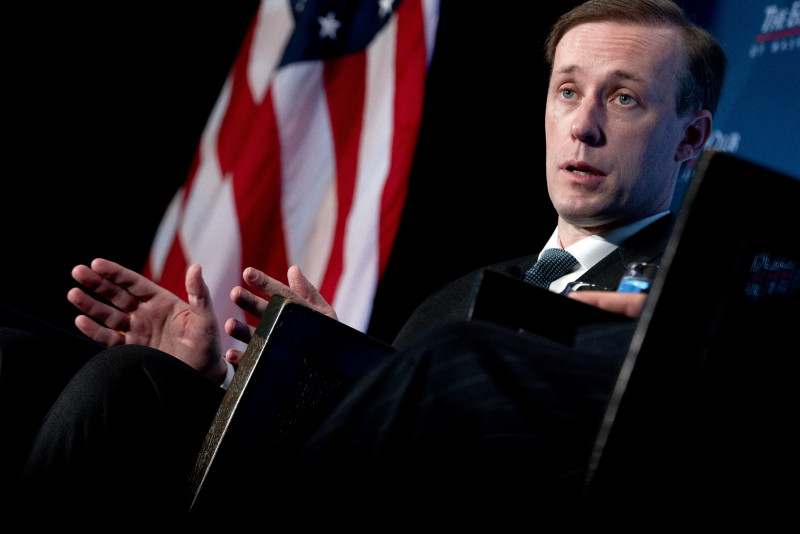
BEIJING – The top Chinese and United States security advisers have held lengthy talks, with both sides describing them as “candid” following days of acrimonious exchanges over Taiwan and other flashpoint issues.
Readouts of the meeting in Luxembourg yesterday were toned down compared with last week, when China’s defence minister warned his country would not “hesitate to start a war” over Taiwan, while the US defence secretary blasted Beijing’s “provocative, destabilising” military activity.
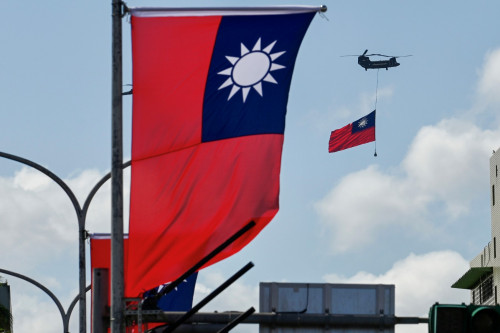
But US security adviser Jake Sullivan and top diplomat Yang Jiechi did not indicate any compromise on their core points of disagreement, especially Taiwan. China considers the self-ruled island a part of its territory, to be seized by force one day if necessary.
“The Taiwan question concerns the political foundation of China-US relations which, unless handled properly, will have a subversive impact,” Yang was quoted as saying by China’s official Xinhua news agency.
“The United States should not have any misjudgements or illusions (about Taiwan).”
A senior White House official said Sullivan reiterated the US policy of recognising Chinese sovereignty but expressed “concerns about Beijing’s coercive and aggressive actions across the Taiwan Strait”.
Tensions over Taiwan have escalated in recent months due to increasing Chinese military aircraft incursions into the island’s air defence identification zone.
US President Joe Biden, during a visit to Japan last month, appeared to break decades of US policy when, in response to a question, he said Washington would defend Taiwan militarily if it was attacked by China.
The White House has since insisted its policy of “strategic ambiguity” over whether or not it would intervene had not changed.
The Sullivan-Yang meeting, which followed up on a May 18 phone call, lasted about four and a half hours, the White House official told reporters.
Xinhua said the talks were “candid, in-depth, and constructive” while the White House statement described them as “candid, substantive, and productive”.
The US-China relationship has deteriorated in recent years, with the two powers locking horns on several issues, from international trade and security to human rights in China and – most recently – the Russian invasion of Ukraine.
Yesterday, Sullivan “underscored the importance of keeping open lines of communication to manage competition between our two countries”, according to the White House.
Yang also agreed on maintaining dialogue, Xinhua said, but made clear that Beijing was not going to shift its red lines.
“For some time...the US side has been insisting on further containing and suppressing China in an all-round way,” he said, according to Xinhua.
But “China firmly opposes using competition to define bilateral ties”.
The Xinhua readout said Yang “also stated China’s solemn position on issues concerning Xinjiang, Hong Kong, Tibet, the South China Sea, as well as human rights and religion”.
China’s treatment of Tibetans, Uyghurs in Xinjiang and the ongoing crackdown on dissent in Hong Kong have faced growing international condemnation.
But Beijing has bristled at any criticism, saying it will not tolerate interference in its internal affairs,
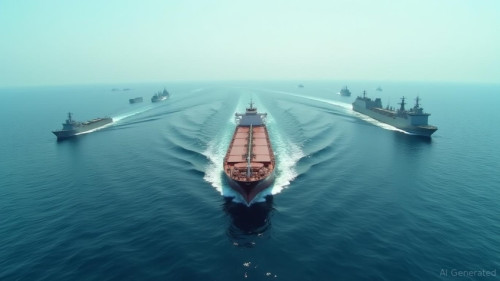
It has also faced a growing chorus of warnings from the US and Western allies over its naval ambitions in the South China Sea, which it claims almost entirely.
There are competing claims from the Philippines, Brunei, Malaysia, Taiwan, and Vietnam.
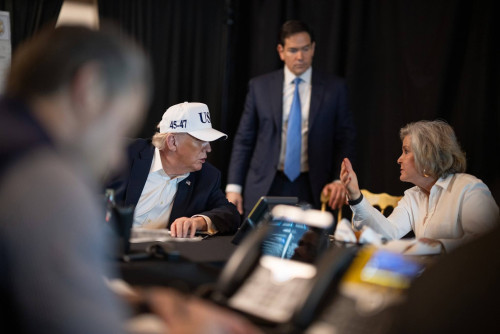
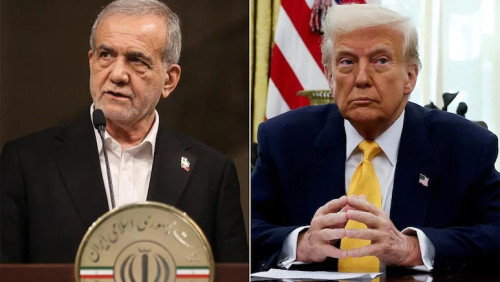
US-China relations entered tense new territory under the previous president Donald Trump, who triggered a trade war in response to what he described as China’s abusive trade practices.
Biden has said he is considering lifting some tariffs in an attempt to defuse roaring inflation at home. – AFP, June 14, 2022