GENEVA – A UN watchdog today begins questioning US officials about the country’s record in battling racial discrimination, amid mounting calls for reparations after centuries of systemic racism.
The United Nations Committee on the Elimination of Racial Discrimination (CERD) will host hearings in Geneva with top US officials, advocates and NGOs about whether Washington is upholding its international obligations to fight racial discrimination.
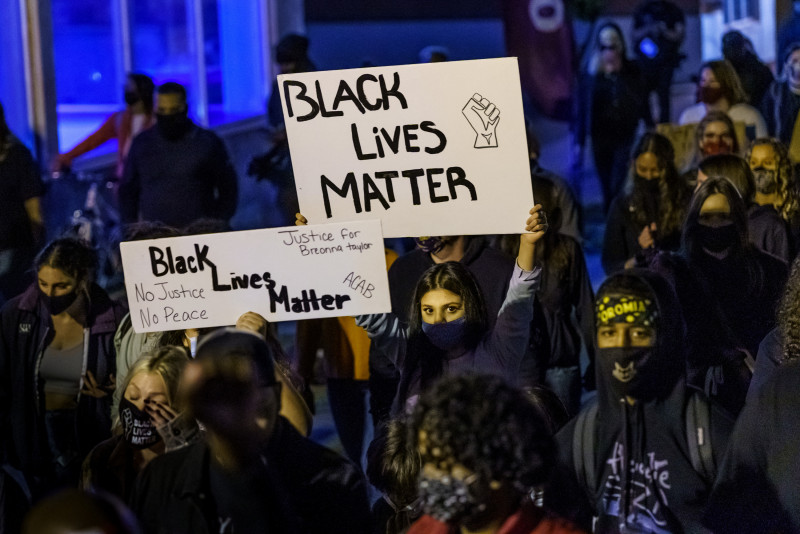
The hearings, happening this afternoon until tomorrow will address a raft of issues, including police killings of black people and unequal access to education, housing and a healthy environment.
The committee of 18 independent experts evaluates how countries adhere to an international convention on eliminating all forms of racial discrimination, which the United States ratified in 1994.
Ahead of the first regular review of the US record since 2014, rights advocates insisted the US government had never adequately addressed violations against black people during slavery and subsequent periods marked by exploitation, segregation and violence.
That legacy, they argue, continues to be seen in economic, health, education, law enforcement, housing and other policies and practices.
The focus for civil society during the session will be “on the question of acknowledgement, repair and reparations,” Vince Warren, executive director of the Centre for Constitutional Rights, told AFP.
Washington is sending a 23-member delegation to argue the country’s case and respond to questions from committee members, who will issue their findings on August 30.
President Joe Biden’s administration said in a statement it was “deeply committed to addressing the challenges of systemic racism both at home and abroad”.
Washington has held four rounds of consultations with US civil society in preparation for the review, including one in Geneva yesterday.
Some advocates who have travelled to Geneva agreed that the current administration had gone further than its predecessors in acknowledging problems linked to structural racism.
But they say few concrete actions have followed.
“The Biden administration has shown it can name the problem, but the time has come to take bolder action,” said Jamil Dakwar, head of the American Civil Liberties Union’s human rights programme.
A joint report from ACLU and Human Rights Watch this week highlighted that the average white family in the United States today has roughly eight times the wealth of the average black family.
Black people are meanwhile imprisoned at a rate three times higher than white people, while African Americans and other minorities are up to 350% more likely to be killed by police.
Among those demanding more concrete action are activists against “environmental racism” in Louisiana’s industrial corridor nicknamed Cancer Alley.
The 140km stretch along the banks of the Mississippi between New Orleans and Baton Rouge counts around 200 industrial and petrochemical plants.
Activists charge that historic black communities – home to descendants of the slaves that once worked sugarcane fields here – have been sacrificed to make room for polluting and health-hazardous plants, leaving residents 50 times more at risk of developing cancer than the national average, according to the US Environmental Protection Agency.
Joy Banner, a resident and an activist who is leading the fight against plans to build a giant grain silo complex next to her family’s home in Wallace, is demanding a moratorium on expanding or building any new facilities in the area.
She said she was “more optimistic” with Biden in power, but lamented that the federal government was still “much too hands-off”.
“They are still permitting new plants,” she told AFP. “We are still dying.” – AFP, August 11, 2022