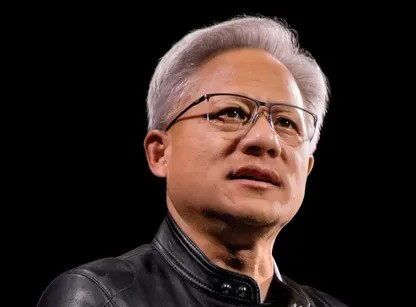
US lawmakers are intensifying scrutiny of Nvidia's alleged role in the diversion of advanced artificial intelligence chips to China, with chief executive Jensen Huang summoned to face congressional questioning over potential national security implications.
In a recent AFP report, Huang is scheduled to appear behind closed doors on Tuesday before three Republican-led House committees overseeing foreign affairs, intelligence and China, as bipartisan pressure grows for answers over alleged chip smuggling and technology transfers to Beijing.
The investigation also comes amid controversy over Huang's reinstatement as Nvidia chief executive just 11 days after his resignation following allegations involving multiple affairs, including one with a woman suspected by US intelligence of working for China.
The committees' chairmen said the company's internal investigation and decision to reinstate Huang had not addressed the national security concerns.
“The Nvidia board's brief internal investigation and reinstatement of Jensen Huang do not erase the national security threats and questions that must be addressed,” they said in a joint statement.
They said lawmakers wanted explanations over the alleged mass smuggling of Nvidia products, their diversion for Chinese military purposes and their contribution to China's AI capabilities.
Nvidia general counsel Tim Teter is scheduled to face questioning by the same committees on Wednesday, while Huang will appear at a public hearing before the Senate Banking Committee on Thursday.
At the centre of the allegations is Megaspeed, a Singapore-based company previously led by Alice Huang, whom US intelligence suspects of working for Beijing. The company has been linked to allegations that advanced Nvidia chips were channelled into China.
Reports have also identified Alice Huang as one of the women allegedly involved in a relationship with the Nvidia chief.
The controversy has prompted calls for wider investigations, including into the Trump administration's reported involvement in Huang's reinstatement.
President Donald Trump has dismissed concerns that Huang poses a national security threat, describing the administration's intervention as “a great thing” for the world.
Nvidia's board has said it received assurances from senior US officials that Huang's return posed no security risk, although its independent investigation had not been completed.
Republican lawmakers have continued to demand answers over who authorised high-end chip sales to China, while Democrats have pledged to investigate any possible wrongdoing involving the administration and Nvidia executives.
The hearings are also being closely watched by investors amid volatility in technology stocks and concerns over the broader implications for the artificial intelligence industry.
Tech analyst Dan Ives said Huang would face significant pressure in Washington, describing the hearings as a critical moment for the technology sector and its AI investment outlook. - November 29, 2026